

Image: Times of India
Sunil Gavaskar voices concerns over Abrar Ahmed's signing in PSL, highlighting the complex ties between cricket, finance, and geopolitics. What does it mean for the future?
GlipzoSunil Gavaskar, a cricket legend and former Indian captain, has recently voiced his concerns regarding the signing of Abrar Ahmed by the Pakistan Super League (PSL) team, Multan Sultans. This move has sparked significant debate in the cricket community, especially considering the ongoing tensions between India and Pakistan. Gavaskar's remarks, which highlight the implications of financial transactions involving Pakistani players, have ignited discussions about the broader context of sports and geopolitics.
In a recent interview, Gavaskar stated, "Fees paid to Pakistani players are ultimately helping those who are killing Indians." This statement is particularly poignant given the backdrop of rising tensions in the subcontinent. The cricketing world is not just a field of sport; it often acts as a reflection of the larger socio-political issues at play. Gavaskar's concerns signal a growing unease among former players regarding the intertwining of sports and national security.
The relationship between India and Pakistan has long been fraught with conflict, and cricket often serves as a battleground for these sentiments. Matches between the two nations attract millions of viewers and evoke intense emotions. In this context, the signing of players from Pakistan by Indian franchises or vice versa raises questions about national loyalty and the implications of financial support.
Gavaskar's comments have resonated with many cricket fans who feel that players from rival nations should be viewed through a lens of national pride and security. Some key points from his statement include: - The potential moral dilemma of compensating players from nations that harbor animosity toward India. - The need for sports organizations to consider national sentiment when making player transactions. - The idea that financial transactions in sports can have broader implications beyond the field.
The Pakistan Super League has gained traction over the years, attracting international talent and significant financial investments. However, this growth raises questions about the ethical ramifications of supporting leagues that include players from contentious nations. For fans and analysts alike, the financial dynamics of the PSL serve as a microcosm of the relationships between India, Pakistan, and the broader cricketing world.
In light of Gavaskar's comments, it is important to analyze: - How the PSL has evolved and its impact on cricketing talent globally. - The financial incentives for players and franchises within a competitive league structure. - The potential backlash from fans and stakeholders when controversial signings occur.
Gavaskar's remarks underscore a crucial point: cricket is not just a game; it is deeply intertwined with national identity and politics. The implications of signing players from Pakistan extend beyond the cricket pitch, tapping into the collective consciousness of Indian fans.
The concern is not just about Abrar Ahmed himself but about what such signings represent in a geopolitical context. The cricket community must grapple with these complexities, especially as global politics continue to evolve. The conversations that arise from these discussions can shape policies within sports organizations and affect player movements in the future.
As the cricketing landscape continues to change, organizations must navigate these sensitive issues carefully. The future of international cricket may hinge on how leagues and governing bodies respond to the concerns raised by figures like Gavaskar. Here are some potential developments to watch for: - Increased scrutiny on player signings from politically contentious nations. - A possible shift in how leagues prioritize player acquisitions based on national sentiments. - Greater dialogue among players, administrators, and fans about the role of sports in international relations.
In conclusion, Gavaskar’s critique of the Abrar signing serves as a reminder of the intricate relationship between sports and politics. As cricket fans and stakeholders continue to ponder these issues, it will be interesting to see how the future unfolds in this dynamic arena.
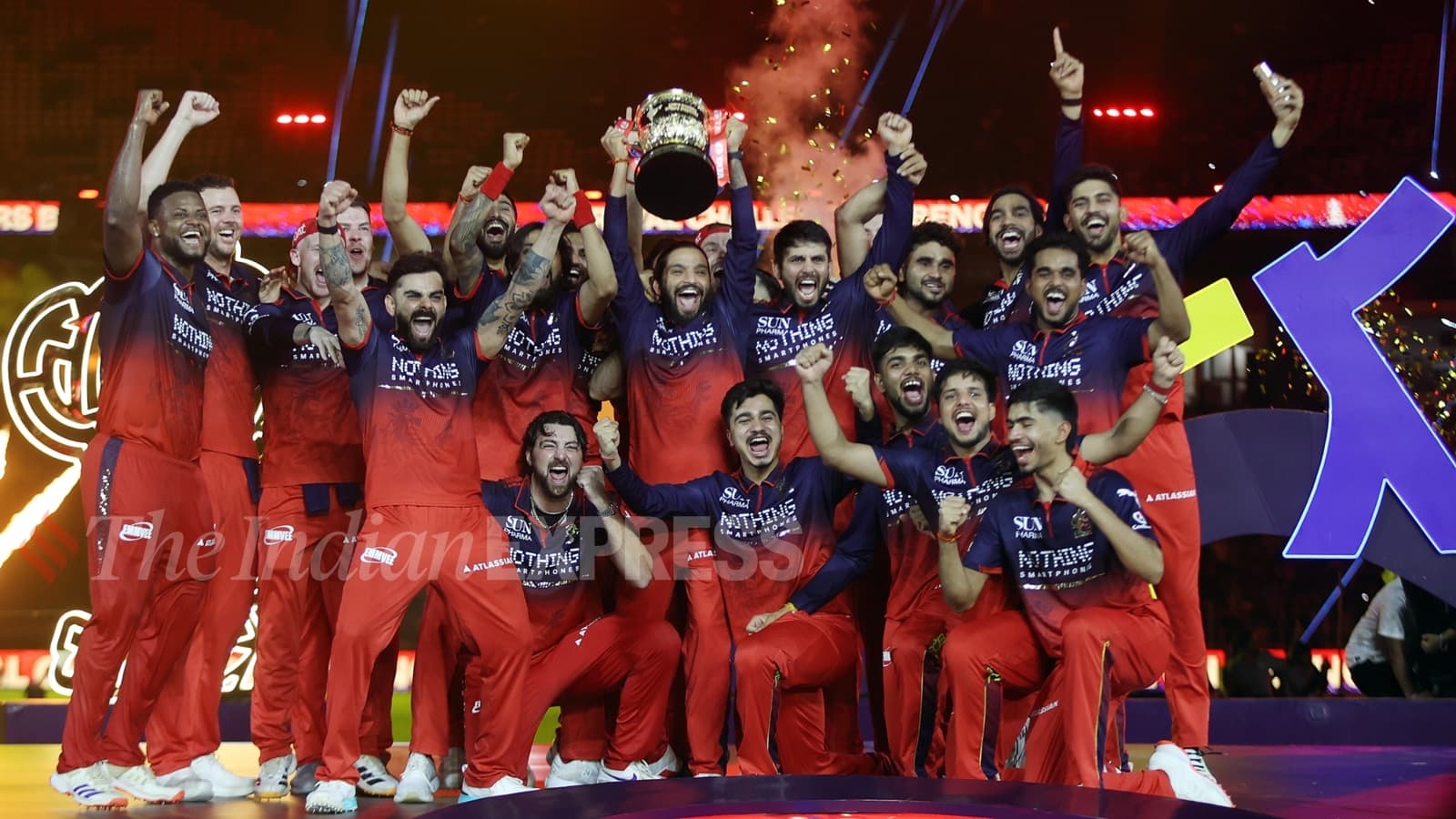
Rajat Patidar leads RCB to back-to-back IPL titles! Discover his leadership insights and goals for a historic third title in the upcoming season.
Indian Express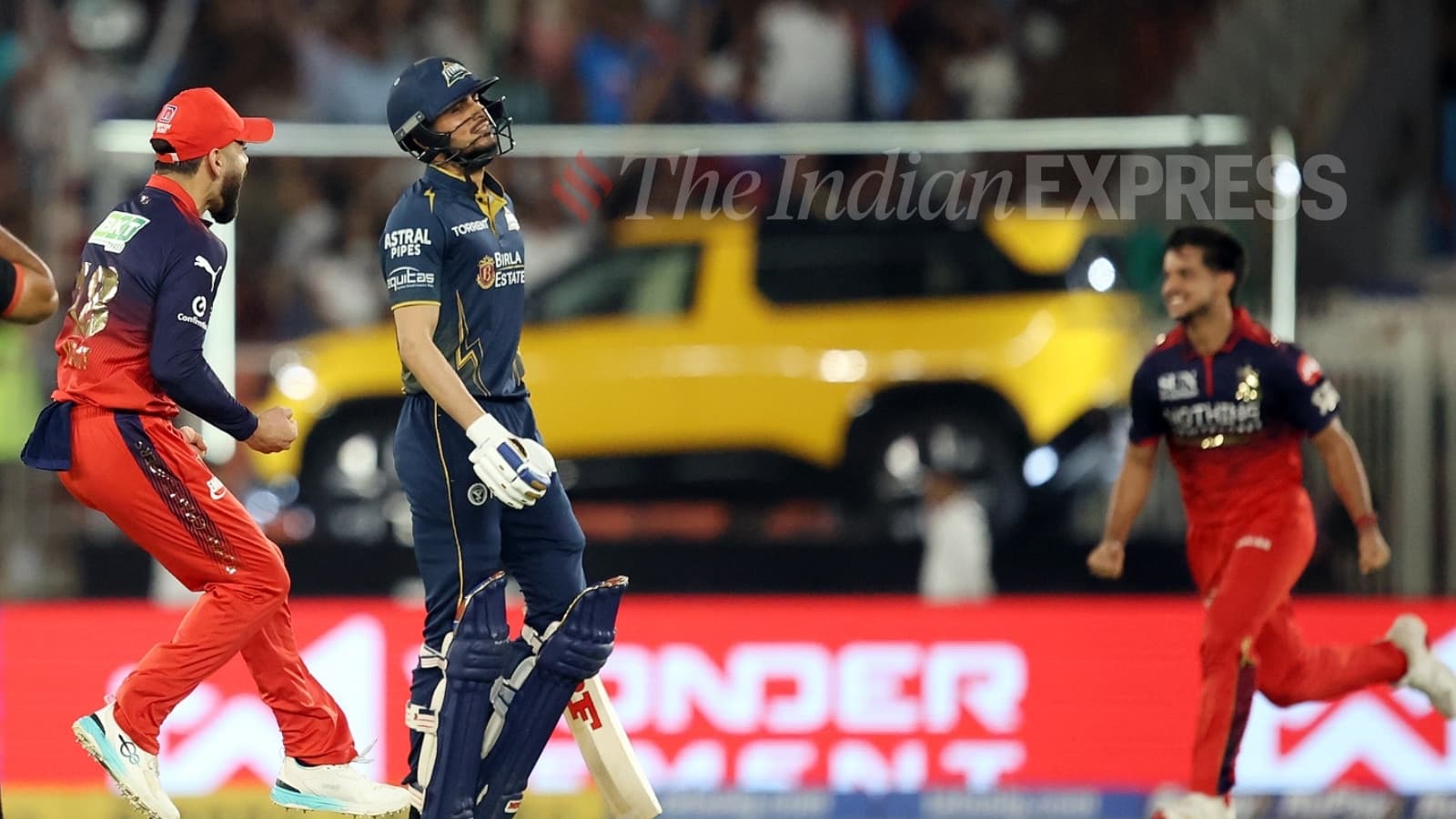
Gujarat Titans' Vikram Solanki reflects on their IPL 2026 final loss, acknowledging shortcomings and praising RCB's performance. What’s next for GT?
Indian Express
Virat Kohli and Anushka Sharma celebrate RCB's IPL 2026 victory with joy and emotion. Discover the highlights of this unforgettable night!
Indian Express