
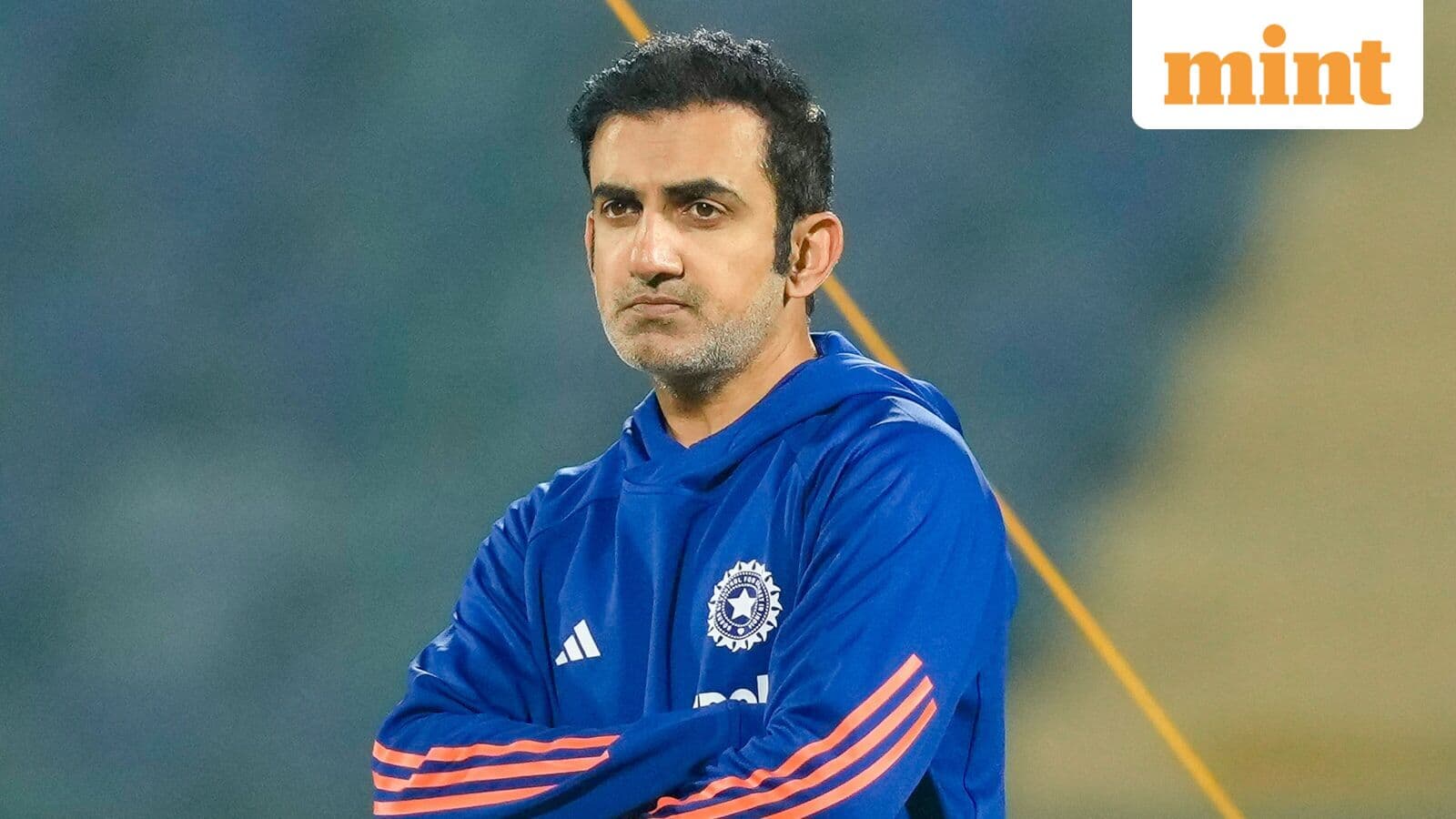
Image: Mint (Business)
Gautam Gambhir has filed a lawsuit in Delhi HC against deepfake identity theft, seeking ₹2.5 crore in damages. What does this mean for digital rights?
GlipzoIn a bold move following his team's triumphant victory in the T20 World Cup 2026, Gautam Gambhir, the head coach of the Indian men's cricket team, has filed a significant lawsuit in the Delhi High Court. This legal action comes as a response to a disturbing trend of digital impersonation, where Gambhir's likeness has been exploited through AI-generated deepfakes and other unauthorized commercial activities.
Gambhir, a two-time World Cup-winning cricketer, has taken this step not only to protect his identity but also to set a precedent for artist and celebrity rights in the era of artificial intelligence. He is seeking ₹2.5 crore in damages, alongside a permanent injunction to prevent the misuse of his name, image, and voice. This lawsuit highlights the urgent need for legal frameworks to address the challenges posed by modern technology in protecting personal rights.
The civil suit, designated as C.S. (COMM.) of 2026, references multiple legal statutes, including the Copyright Act of 1957, the Trade Marks Act of 1999, and the Commercial Courts Act of 2015. Gambhir's legal team has built their case on established precedents from previous landmark cases, such as Amitabh Bachchan v. Rajat Nagi and Sunil Gavaskar v. Cricket Tak & Ors., which affirmed the rights of public figures against unauthorized use of their persona.
Gambhir's lawsuit specifically requests a court order that would bar all defendants from using or exploiting his likeness without his express written consent. This includes any use of deepfake technology, morphing, or face-swapping techniques that could misrepresent him. An urgent application for an ex-parte ad-interim injunction has also been filed, seeking immediate action to remove infringing content and halt its distribution until the court reaches a final decision.
In his statement, Gambhir expressed deep concern over the misuse of his identity. He remarked, "My identity -- my name, my face, my voice -- has been weaponized by anonymous accounts to spread misinformation and generate revenue at my expense." This illustrates a broader issue affecting countless public figures and celebrities who are increasingly becoming targets of digital impersonation.
Gambhir's grievance is not a solitary case; the rise of fabricated digital content has surged, particularly on platforms such as Instagram, X (formerly Twitter), YouTube, and Facebook. In fact, his legal team has observed a significant uptick in such activities since late 2025, making this lawsuit both timely and necessary.
One of the most alarming instances of Gambhir's identity being misused involved a fraudulent post declaring his resignation, which shockingly amassed over 29 lakh views. This post appeared shortly after India suffered a defeat against South Africa in a home Test series, showcasing how misinformation can quickly spread and manipulate public perception.
Another incident that raised eyebrows was a video circulating online, falsely attributing comments to Gambhir regarding several senior Indian cricketers' participation in the World Cup. This video attracted over 17 lakh views, further emphasizing the urgent need for action against such deceptive practices.
Gambhir's legal battle is significant not only for his personal protection but also for the broader implications it carries for personality rights in the digital age. As technology continues to evolve, the potential for misuse of an individual's identity has increased exponentially. Protecting one's persona from unauthorized exploitation is essential in maintaining dignity and ensuring public figures are not subjected to defamation or misinformation.
This case could serve as a landmark ruling that may pave the way for stricter regulations surrounding the use of AI technologies and digital impersonation. If the court sides with Gambhir, it may establish a precedent that could empower other public figures to take similar actions against identity theft and unauthorized use of their likeness.
As the legal proceedings unfold, all eyes will be on the Delhi High Court to see how it navigates this complex intersection of technology and personal rights. The outcome could potentially reshape how digital impersonation cases are handled in India and beyond. Furthermore, it may encourage lawmakers to develop more robust protections for individuals against the unauthorized use of their identity.
In the coming months, it will be critical to observe not only the developments in Gambhir's case but also the potential ripple effects it may have across various sectors, from entertainment to sports and beyond. The fight for personality rights is far from over, and the decisions made in this case could very well set the tone for the future of digital identity protection.
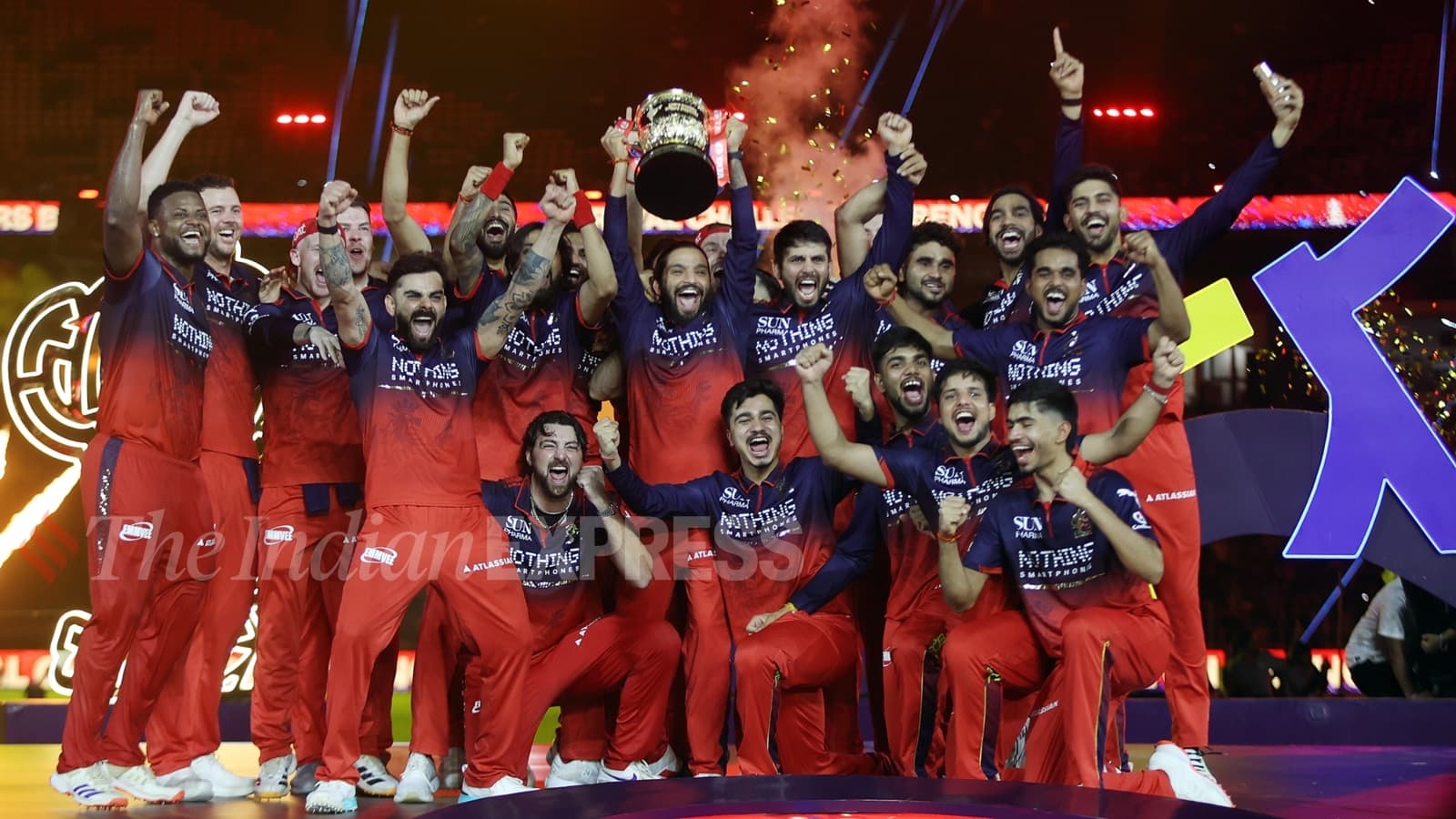
Rajat Patidar leads RCB to back-to-back IPL titles! Discover his leadership insights and goals for a historic third title in the upcoming season.
Indian Express
Gujarat Titans' Vikram Solanki reflects on their IPL 2026 final loss, acknowledging shortcomings and praising RCB's performance. What’s next for GT?
Indian Express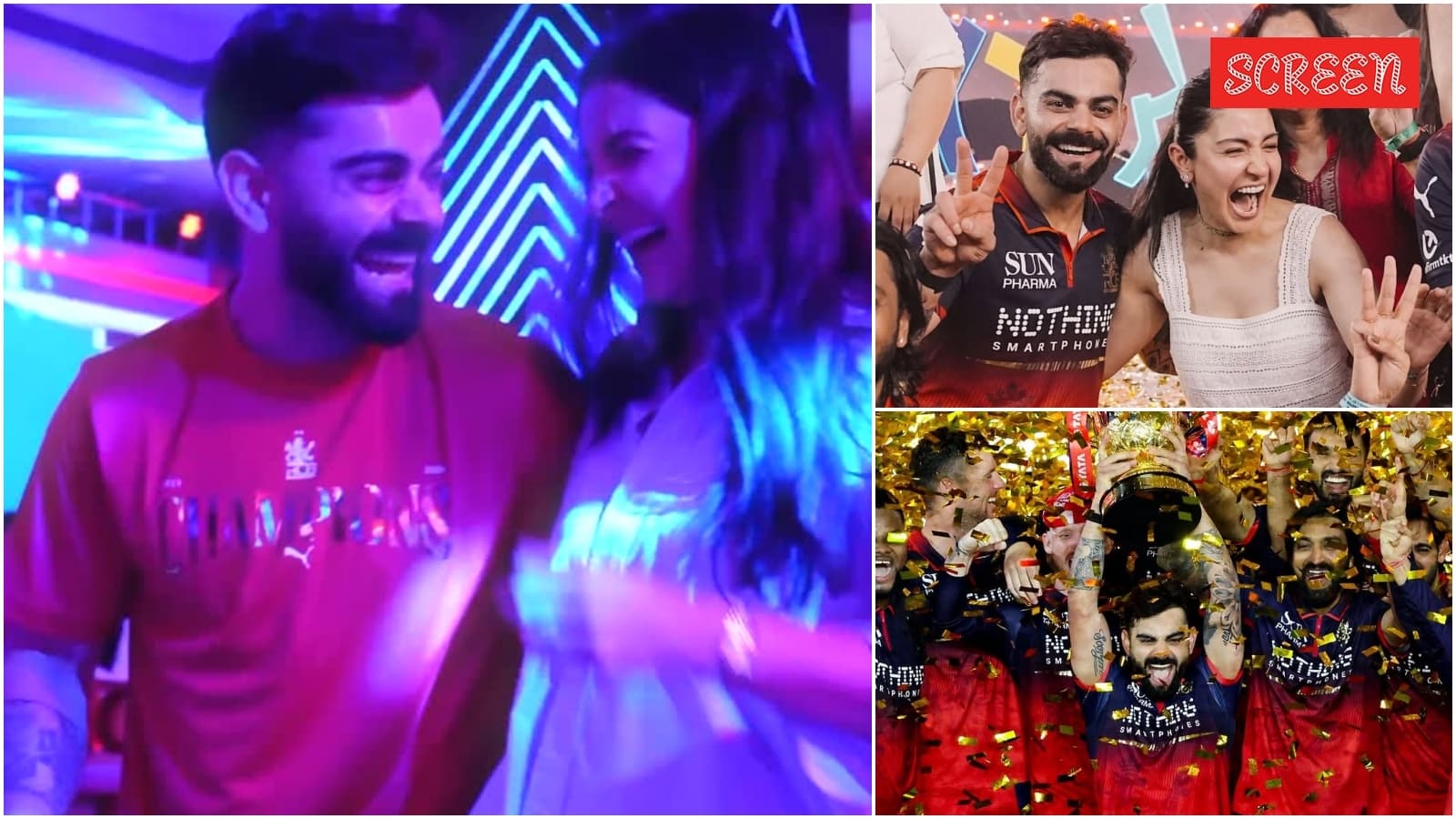
Virat Kohli and Anushka Sharma celebrate RCB's IPL 2026 victory with joy and emotion. Discover the highlights of this unforgettable night!
Indian Express