
Image: BBC Business
The UK government has extended the fuel duty freeze until year-end, aiming to support drivers amid rising costs. What does this mean for you?
GlipzoIn a move that has garnered attention across the UK, Prime Minister Keir Starmer announced that the 5p cut on fuel duty will now remain in effect until the end of the year, rather than phasing out in September as initially planned. This decision comes amid rising fuel prices influenced by geopolitical tensions, particularly the ongoing US-Israel conflict affecting the oil market.
Originally implemented by the previous Conservative government, the reduced fuel tax was introduced in response to escalating prices following Russia's invasion of Ukraine in 2022. With the current situation in the Middle East further impacting global oil and liquefied natural gas supplies, the freeze on fuel duty is seen as a critical support for drivers facing increased costs at the pump.
During a session in the House of Commons, Starmer emphasized the government's commitment to supporting drivers through this extension. According to Downing Street, this policy will cost an estimated £455 million for the current tax year. The Prime Minister's spokesperson attributed the ability to sustain this freeze to improved economic growth figures.
The 5p reduction was first introduced during the Spring Statement in March 2022, intended to last for 12 months. However, it has been extended several times in response to ongoing economic pressures. Starmer noted that the decision to maintain the freeze was influenced by the current events in the Middle East, indicating the government's responsiveness to fluctuating global circumstances.
On the same day as the announcement, the RAC reported that the average price of petrol surged to 158.52p per litre, marking the highest level since the onset of the Iran conflict. This spike highlights the urgent need for measures to aid consumers who are already feeling the financial strain.
In addition to the fuel duty freeze, Starmer revealed plans to cut the fuel duty on red diesel by more than a third, bringing it down to 6.48p per litre. This reduced rate will be effective from mid-next month and will remain in place until the year's end, specifically aimed at supporting farmers who rely on red diesel for agricultural machinery.
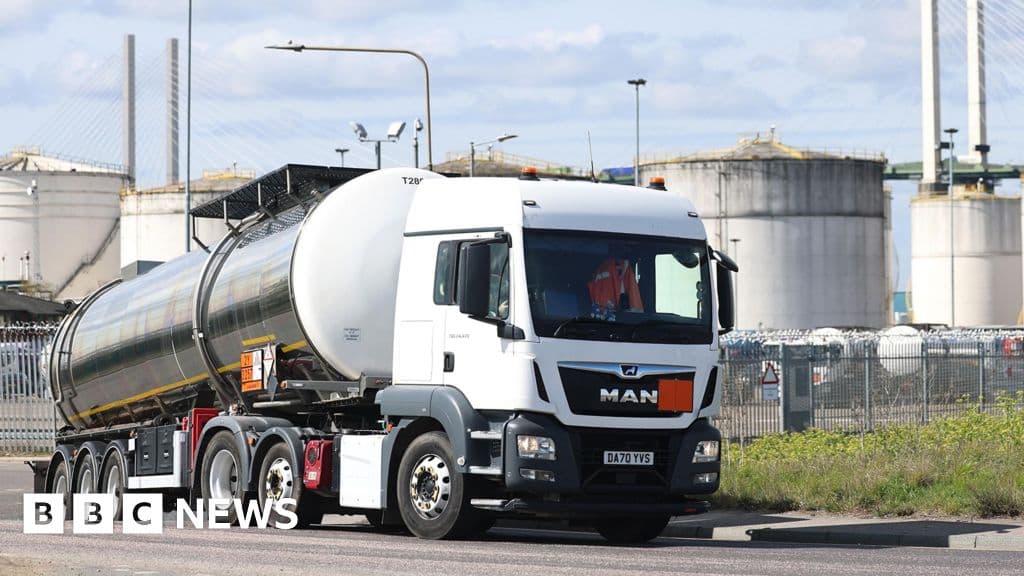
Further measures were announced to alleviate the challenges faced by the haulage industry. Starmer introduced a 12-month holiday on vehicle excise duty for HGVs, a move expected to save hauliers approximately £600 for an average heavy lorry. This initiative is designed to help mitigate the heightened supply chain costs that have been affecting consumer prices across the board.
Simon Williams, the head of policy at the RAC, voiced concerns about the future of fuel duty beyond this year. He raised pertinent questions about whether drivers would face a sudden return to the full 5p increase in spring or if a gradual phasing could be negotiated. The uncertainty surrounding these decisions adds a layer of complexity for both consumers and businesses moving forward.
In response to the government’s announcement, Kemi Badenoch, the leader of the Conservative party, expressed gratitude to Starmer for what she described as a “U-turn” on fuel duty that her party had advocated for since March. On the other hand, Sir Mel Stride, the shadow chancellor, criticized the government, claiming they had been pressured into this reversal by Conservative demands.
He emphasized that a tax hike would have negatively impacted businesses and families already facing financial difficulties. Stride further pointed out that under Conservative leadership, fuel duty had been either frozen or cut for an impressive 14 years consecutively.
The extension of the fuel duty freeze is significant for UK consumers, especially as they navigate rising living costs amid global instability. With fuel prices hitting record highs, the government’s decision to maintain lower taxes can provide much-needed relief for households and businesses alike.
As the situation in the Middle East continues to unfold, consumers must remain vigilant about potential changes in fuel pricing and tax policies. The government's approach to handling these economic pressures will be crucial in shaping public sentiment and economic recovery efforts in the coming months.
As we move towards the end of the year, the key focus will be on how the government plans to address fuel duties in 2024. The upcoming decisions will not only affect individual drivers but could also have broader implications for the economy as a whole. Stakeholders will be watching closely to see whether the government opts for a gradual reintroduction of the duty or if it will maintain the freeze longer than anticipated.
In conclusion, the extension of the fuel duty freeze is a vital step in supporting consumers during challenging times. The interplay of global events, economic policy, and consumer sentiment will continue to shape the landscape of fuel pricing in the UK. Stay tuned for further updates as the situation evolves.

Tensions soar as the US and Iran engage in air strikes near the Strait of Hormuz, raising concerns over global oil supply and regional stability.
BBC World
Trump's international interventions face serious stalemates. What will this mean for U.S. foreign policy? Explore the critical challenges ahead.
Indian Express
Tehran denies resignation of President Masoud Pezeshkian amid claims of IRGC influence. What does this mean for Iran's political stability? Click to learn more!
Indian Express