
Image: The Hindu
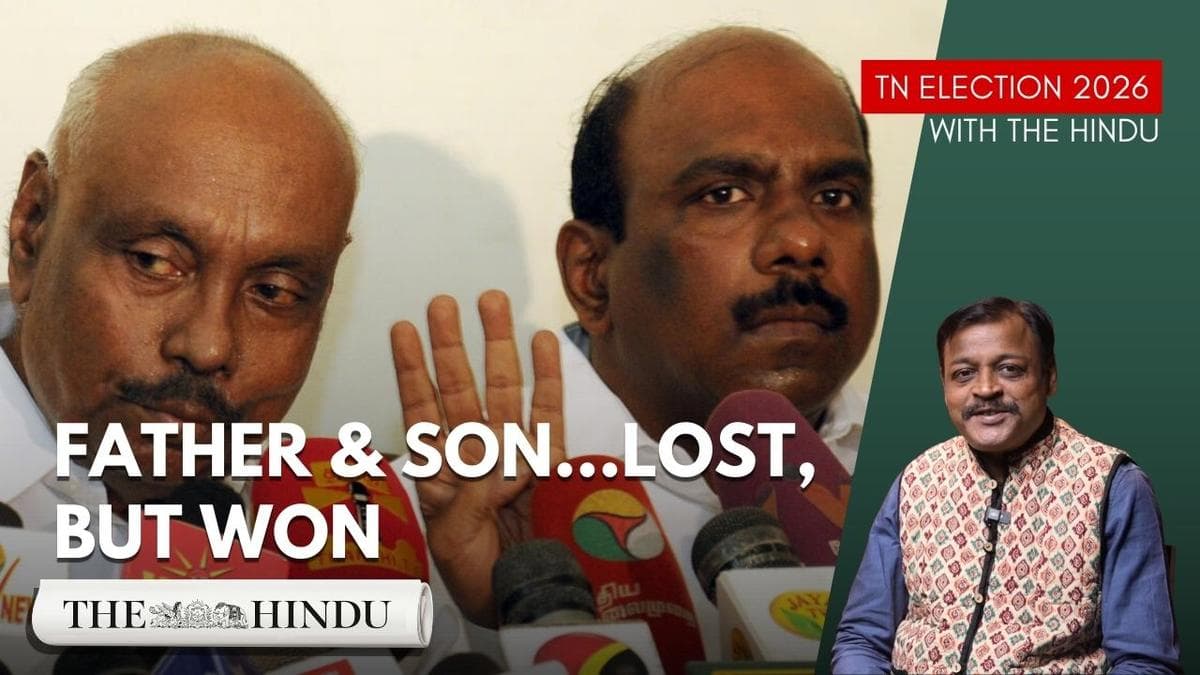
P.H. Pandian and his son may have lost elections but celebrated a crucial Supreme Court victory. Discover the implications of this legal triumph.
GlipzoIn a dramatic political twist, P.H. Pandian and his son P.H. Manoj Pandian faced a double defeat at the polls but emerged victorious in a pivotal Supreme Court ruling. This case has profound implications for future political contests and highlights the intricate relationship between electoral loss and legal triumph.
On March 18, 2026, the Supreme Court’s decision was a significant turning point for the Pandian family. Despite their losses in the recent elections, the court ruled in favor of their appeal regarding election-related disputes that could reshape the political landscape.
The case revolved around procedural irregularities during the election process, which the Pandians argued compromised the integrity of the electoral outcome. Following their electoral defeat, the father-son duo sought legal recourse, believing that their rights had been infringed upon during the election.
Their legal team presented compelling evidence suggesting that the conduct of the election was marred by numerous violations that warranted judicial intervention. The Supreme Court, recognizing the validity of these claims, ruled that the complaints raised by the Pandians were substantial enough to necessitate a closer examination of the electoral process.
The Supreme Court's favorable ruling for P.H. Pandian and P.H. Manoj Pandian is not just a personal victory; it sets a precedent for how similar cases may be treated in the future. Here’s why this matters:
Moreover, the case has raised questions about the integrity of the electoral process itself, prompting calls for reform to ensure fair elections in the future. As the Pandians navigate their next steps, the implications of this ruling could resonate throughout the political sphere in Tamil Nadu and beyond.
Understanding the circumstances surrounding the Pandians’ electoral losses is crucial. Both P.H. Pandian and his son campaigned vigorously, but they faced significant opposition from established political figures and parties. The political climate in Tamil Nadu has been notably competitive, with shifts in voter sentiment making it challenging for candidates, especially those from traditional backgrounds, to secure victories.
The Pandians, who are known for their longstanding political legacy, must grapple with the changing dynamics of voter preferences. Their defeat at the polls, coupled with the Supreme Court's ruling, presents a unique scenario where both setbacks and opportunities intertwine.
As the dust settles from this legal battle, there are several key developments to watch for:
In conclusion, while P.H. Pandian and P.H. Manoj Pandian faced electoral defeat, their Supreme Court victory is a reminder of the complexities of politics where legal battles can influence political futures. As they prepare for what’s next, their journey could serve as a crucial case study in the intersection of law and politics in India.
This story underscores the importance of legal recourse in politics and how electoral outcomes can be challenged in court. It emphasizes the need for transparency and fairness in elections, which is essential for a functioning democracy. Political players must now navigate a landscape where judicial oversight is increasingly prominent, making it imperative for them to prioritize ethical campaigning and adherence to electoral laws.

Tensions soar as the US and Iran engage in air strikes near the Strait of Hormuz, raising concerns over global oil supply and regional stability.
BBC World
Trump's international interventions face serious stalemates. What will this mean for U.S. foreign policy? Explore the critical challenges ahead.
Indian Express
Tehran denies resignation of President Masoud Pezeshkian amid claims of IRGC influence. What does this mean for Iran's political stability? Click to learn more!
Indian Express