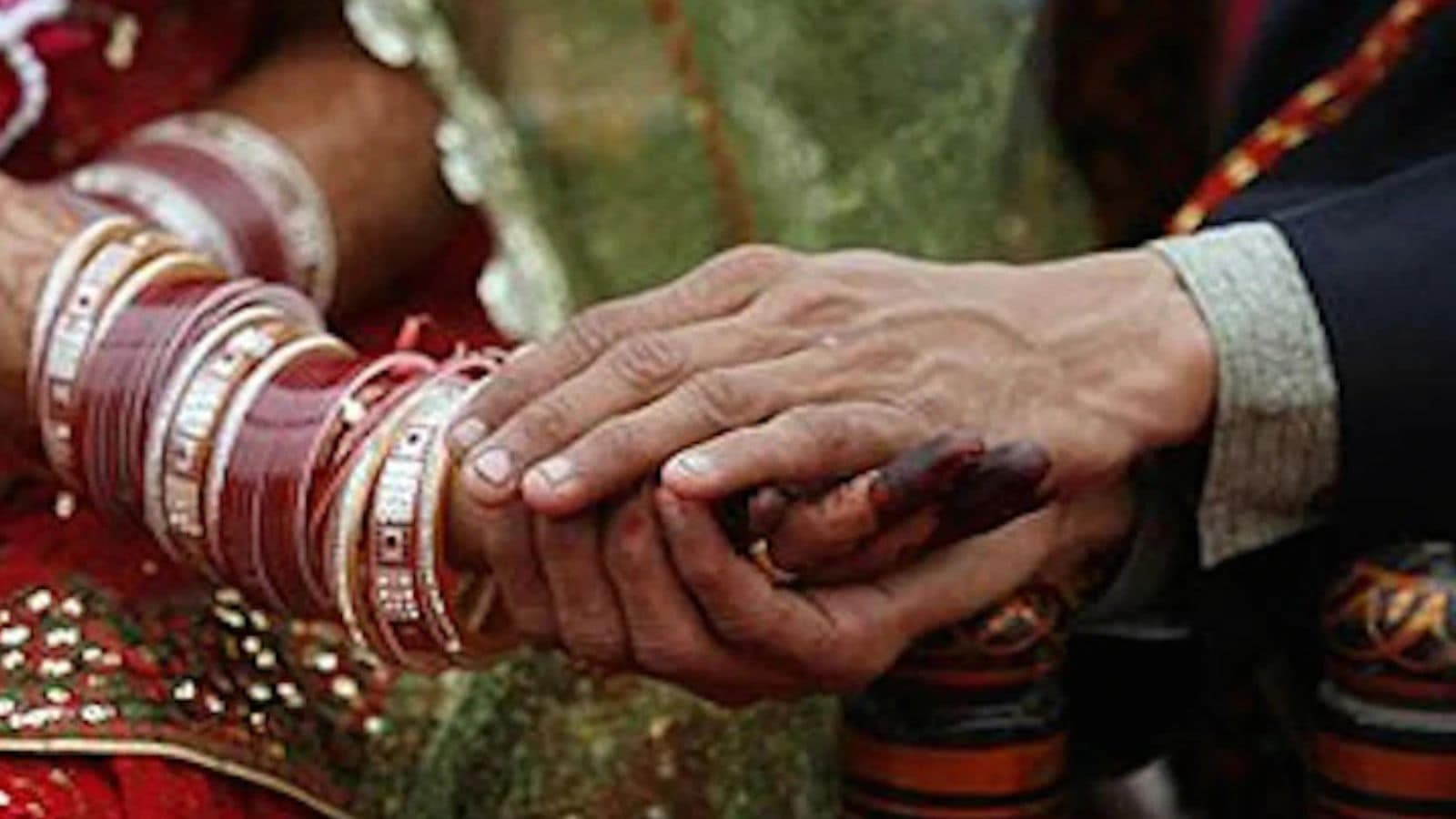
Exploring Alternatives to Marriage and Dowry Systems
Explore the societal implications of marriage and dowry, and discover alternative frameworks for love and belonging beyond traditional norms.
Glipzo News Desk|Source: Indian Express
Share
Glipzo
Key Highlights
Can society truly oppose dowry while upholding marriage?
Weddings often act as showcases for economic status.
Women bear the brunt of unequal marital expectations.
Violence in marriage reflects deeper societal norms.
Imagining life beyond marriage threatens societal norms.
Rethinking Marriage: A Cultural Conundrum
Can a society genuinely claim to oppose dowry practices while still treating marriage as the ultimate benchmark of respectability? This critical question arises amid ongoing conversations about dowry-related violence, challenging us to envision alternative ways of loving, living, and belonging.
The severity of dowry-related incidents compels society to confront its conscience. Each time a dowry death makes headlines, the public responds with outrage: images circulate, testimonies come forth, and demands for justice amplify. For a fleeting moment, grief seems collective. Yet, the fervor often dissipates, leaving the societal structures that enable such violence remarkably unscathed and even glorified. Marriage continues to be celebrated as a symbol of aspiration, security, prestige, and inevitability, all while the financial transactions intertwined with it remain disturbingly normalized.
## Dowry: A Gift Disguised
Publicly, dowry practices may be disavowed, but they are frequently recast as “gifts,” family honor, or the belief that men, as providers, are entitled to compensation. This normalization of economic exchange in marriage creates a troubling contradiction:
- **Weddings as Displays of Wealth:** Social events that showcase financial prowess are not just accepted but admired.
- **Language of Burden Around Daughters:** Conversations still resonate with themes of settlement and responsibility, underscoring how deeply marriage remains linked to economic and social anxiety.
- **Marital Violence as an Institutional Issue:** The violence experienced within marriages can no longer be dismissed as isolated incidents; they stem from a system that legitimizes such behavior.
## The Unequal Landscape of Marriage
Women continue to enter into marriages under profoundly unequal circumstances. Across various classes and communities, they often find themselves expected to:
- Adjust their careers and relocate.
- Manage care work and emotional labor.
- Maintain family relationships and cohesion, often at a personal cost.
These sacrifices are feminized and presented as cultural obligations, further entrenching gender inequality. The limit of societal outrage lies in its tendency to condemn violence without addressing the underlying conditions that foster it.
## The Institutional Nature of Marriage
The heart of the issue transcends individual acts of violence; it probes into the nature of marriage as an institution. Historically, marriage has served multifaceted roles:
- **Economic Arrangements:** It functions as an economic contract rather than simply a personal relationship.
- **Caste Mechanism:** It helps maintain caste boundaries, reinforcing social hierarchies.
- **Gendered Labor Organization:** It shapes the division of labor along gender lines, often to the detriment of women.
- **Negotiation of Status and Security:** Families utilize marriage as a means to enhance social mobility and legitimacy.
Under these circumstances, the idea that marriage should involve economic transactions seems less accidental and more rationalized within the institution's logic.
## The Quiet Coercion of Marriage
Violence in this context transcends visible brutality; it manifests in subtler forms of coercion. This includes:
- Fear surrounding unmarried daughters.
- Social anxiety about aging without marriage.
- The normalization of women’s adjustments as virtuous.
- The belief that care, companionship, and sexuality can only exist within the confines of marriage.
What is often perceived as “choice” frequently occurs within an environment where alternatives have been systematically undermined. This may explain why violence rarely destabilizes the institution itself. Society absorbs the violence, mourns it momentarily, condemns its extremes, and then returns to a fervent defense of the existing structure.
## The Challenge of Imagining Alternatives
The dilemma is not merely about hypocrisy; it reflects how marriage has become foundational to social existence. Questioning marriage or contemplating life beyond its confines is often perceived as a threat to the moral and emotional fabric of society. There exists a critical need for individuals and communities to engage in meaningful discourse about the implications of marriage as a societal norm.
### Why It Matters
Understanding the complexities of marriage and dowry systems is vital for anyone concerned with social justice, gender equality, and human rights. Recognizing these issues encourages a dialogue that could lead to innovative, alternative frameworks for relationships that prioritize individual agency over institutional expectations.
## Looking Ahead: What Comes Next?
Going forward, it is essential to challenge the entrenched beliefs surrounding marriage and dowry. Advocating for reforms and fostering discussions about alternative lifestyles can help dismantle the existing narratives that glorify marriage as the sole pathway to respectability. Key areas to watch include:
- **Community Initiatives:** Look for local movements advocating for change in marriage practices.
- **Legislative Reforms:** Monitor policies aimed at addressing dowry-related violence and promoting gender equality.
- **Cultural Shifts:** Pay attention to emerging narratives that celebrate diverse forms of relationships beyond marriage.
By fostering a societal shift in perspective, we can begin to envision a future where love, respect, and belonging are not solely defined by marital status.