
Image: BBC World
As Ukraine urges the EU to mediate with Russia, key players and strategies emerge in Cyprus. What’s next in the quest for peace? Find out here.
GlipzoAs the conflict in Ukraine continues to rage, Ukraine's Foreign Minister Andrii Sybiha has urged the European Union (EU) to step up its efforts to mediate peace with Russia. This plea comes ahead of an informal gathering of European foreign ministers in Cyprus, where the situation in Ukraine is expected to be a primary focus. The war, which has escalated significantly since Russia's full-scale invasion in February 2022, has left Ukraine in dire need of diplomatic support and engagement from its European allies.
With U.S. mediation stalling amid ongoing military aggression from Russia, the EU is reevaluating its approach, considering a more active role in negotiations. Sybiha emphasized the need for a fresh dynamic in talks, advocating for “more active participation by the European side.” The push for this new format highlights Ukraine's desire to break the current deadlock in diplomatic efforts and engage partners who can effectively advocate for peace.
Among the names being floated as potential mediators are high-profile politicians such as Angela Merkel, the former Chancellor of Germany, and Italy's ex-Prime Minister Mario Draghi. However, Sybiha has refrained from confirming any specific candidates, indicating the ongoing deliberations within Ukraine about who could best represent their interests in talks with Russia.
A spokesperson for Draghi has indicated that he prefers not to comment on the matter at this stage. Meanwhile, Finnish President Alexander Stubb expressed conditional interest in the role, stating he could not decline if offered, but only if Russia first agrees to a ceasefire. As of now, there is no indication that such a ceasefire is forthcoming.
The urgency of Ukraine’s plea comes in the wake of a severe escalation in hostilities. Over the weekend, Ukrainian cities faced an intense barrage of missiles and drones in one of the most severe attacks of the conflict thus far. Moscow has threatened to intensify these assaults, warning both civilians and foreigners to leave Kyiv. This ongoing aggression complicates the landscape for any diplomatic resolution, as Russia accuses the EU of undermining U.S. peace efforts by providing military support to Kyiv.
Russia’s preference for negotiations with the U.S. stems from both a desire for status and a belief that American envoys have been less challenging in their approach to Moscow. This has led to a perception that U.S. mediation is ineffective, with Secretary of State Marco Rubio recently stating that the U.S. is not interested in “an endless cycle of meetings that lead to nothing.” However, he clarified that the U.S. remains open to mediating if the opportunity arises.
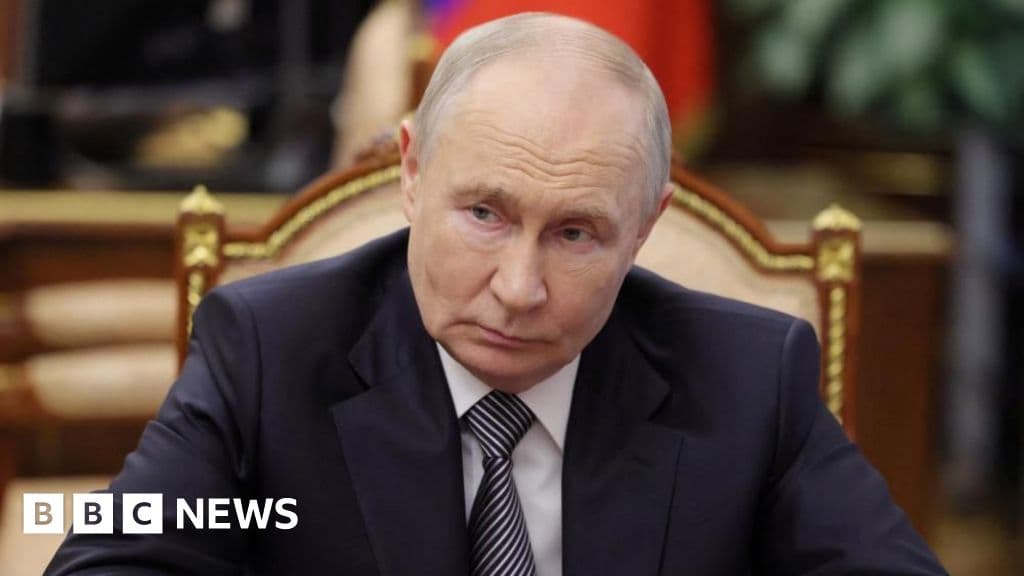
As the EU seeks to re-engage with Moscow, it aims to ensure any potential agreement serves both Ukrainian interests and broader European security concerns. Vladimir Putin has claimed openness to discussions, provided that the appointed envoy has not previously criticized Russia. However, his suggestion of appointing Gerhard Schröder, a long-time ally of Moscow, was quickly dismissed by EU foreign policy chief Kaja Kallas, who argued that Schröder would not be a suitable representative as he would not be impartial.
The upcoming two-day meeting in Cyprus will allow foreign ministers to express their views more freely than at formal summits. Since the invasion, many EU countries have adopted a strategy of isolation and sanctions against Russia, but opinions differ regarding the appropriateness of initiating even limited dialogue. Countries like Sweden and Lithuania favor increasing pressure on Russia, while others, such as Italy, argue for a more engaged approach.
In March, Kallas circulated proposed discussion points intended to shape a joint EU stance on Russia, aiming to establish clear red lines before any contact is made. During the meeting in Cyprus, while the idea of appointing an envoy may be discussed, any substantive negotiations will likely occur at the level of EU leaders, possibly during their next summit next month.
Meanwhile, Ukraine is pushing for rapid progress to avoid a situation where discussions are bogged down by debates over representation and format. Sybiha has asserted, “This must not become a prolonged process focused only on discussions about who should represent, how many people, and what format. No. This must happen quickly.”
As the situation unfolds, the stakes are incredibly high. The EU’s next steps are crucial not only for Ukraine but for the continent’s security landscape as a whole. Analysts believe that any engagement with Moscow is unlikely to succeed unless the EU approaches from a position of strength.
Ukraine’s desire to “break the deadlock” indicates a pressing need for decisive action rather than prolonged discussions. The international community will be watching closely to see how the EU navigates these complex negotiations and whether it can foster a renewed dialogue that leads to a cessation of conflict.
Why It Matters: The outcome of these discussions could determine the future stability of Europe and set the tone for international relations in the region for years to come. The EU's ability to mediate effectively could either pave the way for peace or exacerbate tensions, making it a pivotal moment in the ongoing war.

Tensions soar as the US and Iran engage in air strikes near the Strait of Hormuz, raising concerns over global oil supply and regional stability.
BBC World
Trump's international interventions face serious stalemates. What will this mean for U.S. foreign policy? Explore the critical challenges ahead.
Indian Express
Tehran denies resignation of President Masoud Pezeshkian amid claims of IRGC influence. What does this mean for Iran's political stability? Click to learn more!
Indian Express