
Image: Indian Express
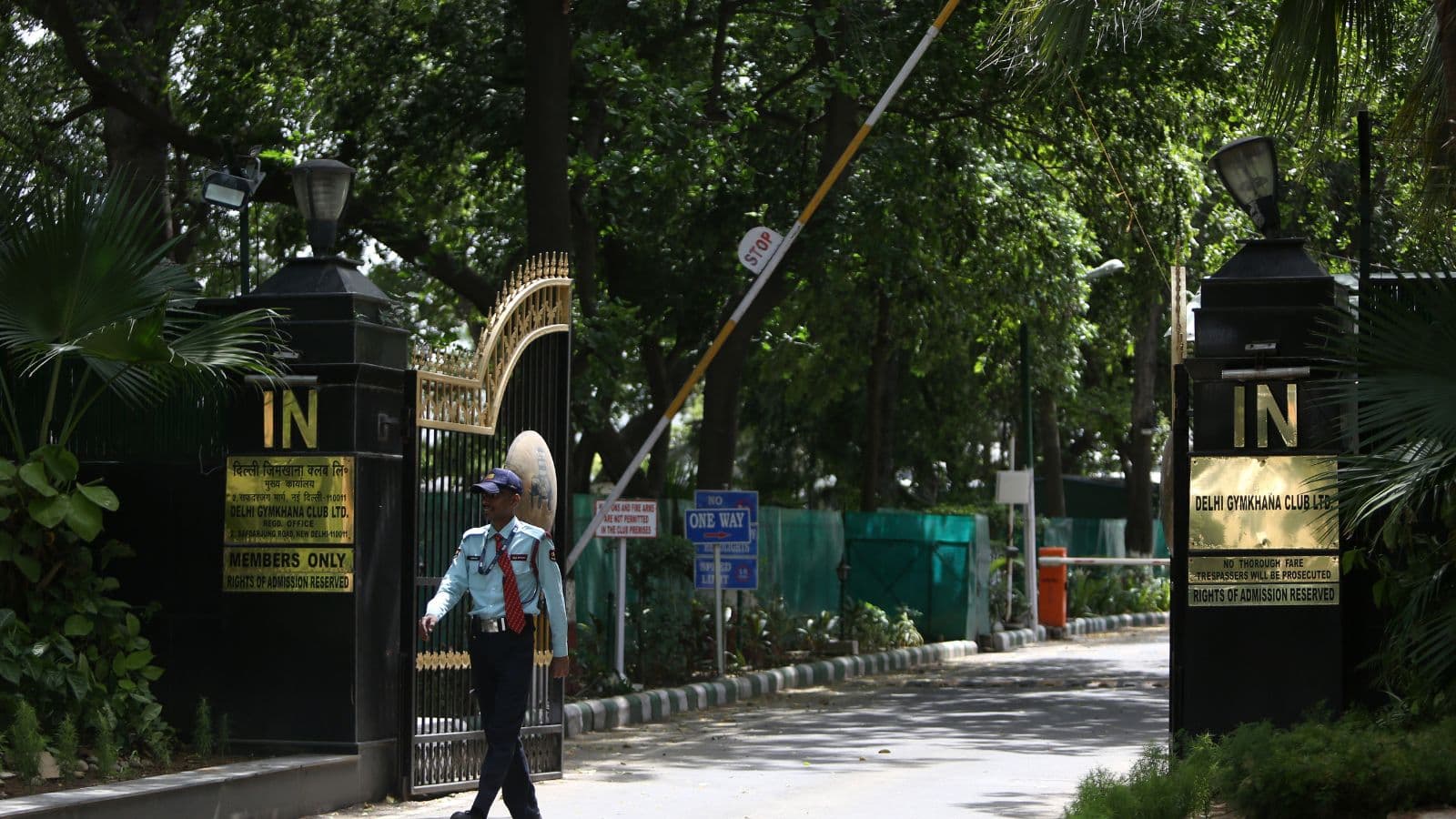
Discover the emotional farewell at Delhi's Gymkhana Club on August 6, 1947, as officers bid goodbye amid the partition of India and Pakistan.
GlipzoOn the evening of August 6, 1947, a poignant farewell unfolded at the Delhi Gymkhana Club, a gathering that would be etched in history as one of the most emotional send-offs ever. As the sun set over Delhi, a sense of chill permeated the warm air, reflecting the somber atmosphere as guests arrived. Officers clad in khaki uniforms mingled with women adorned in vibrant sarees, all of whom were about to witness a significant moment in the history of India and Pakistan.
Organized by Brigadier Kodandera Madappa Cariappa, who later earned the title of India’s first Field Marshal, this gathering was not an ordinary celebration. This farewell party marked the impending division of the British Indian Army and the birth of Pakistan. The invitation cards, issued by the “Officers of the Armed Forces of the Dominion of India,” announced an event to honor the departing officers who would join the new Pakistan Army. According to Freedom at Midnight, authored by Larry Collins and Dominique Lapierre, this party was described as “the most emotional farewell.”
The elegant club building, designed by Robert Tor Russell, was adorned for this special occasion, with tents gracing the lawns and tables overflowing with whisky, gin, and a selection of Indian cuisine. Music wafted through the air as a band played in the grand ballroom, setting the stage for a night filled with nostalgia. Old friends embraced, reminiscing about their shared experiences in the face of adversity.
A particularly poignant exchange occurred between two officers, a Muslim and a Hindu, who recalled their time together on the Burma front during World War II. “Do you remember how we fought together on the Burma front in 1942?” one asked, prompting an emotional response from his friend, who replied, “Yes, and that night when we faced the Japanese attack? You saved my life.” Their tears reflected the bittersweet nature of the evening.
As the night progressed, Brigadier Cariappa took the stage, commanding the attention of his comrades. Standing tall, he addressed the crowd, acknowledging their shared history and the bonds formed through years of service and sacrifice. “My dear comrades,” he began, “we have shared a common destiny for so long that our story cannot be separated. We were brothers. We will always remain brothers.”
This heartfelt proclamation resonated deeply with those present, evoking a round of applause mixed with tears. The emotional weight of the moment was palpable, as many officers found it difficult to part ways. A Major heading to Pakistan expressed his sorrow, stating, “Sir, this is very painful.” Cariappa consoled him, emphasizing the importance of maintaining their friendship despite the impending changes.
As the night wore on, stories of past camaraderie and wartime experiences flowed freely. Yet, amidst the laughter and shared memories, an undercurrent of uncertainty lingered. Conversations shifted to concerns about the future. Some women gathered to discuss what awaited them in this new chapter, while a young Captain voiced his hope of returning to Delhi to retrieve his belongings once peace was restored. His Indian friend reassured him, saying, “Yes, definitely come. We will wait for you.” Little did they know that such promises would soon become irrelevant.
In the months following that fateful evening, the landscape would change dramatically. The Kashmir conflict erupted, transforming former allies into adversaries. Those officers who had once shared laughter and memories were now on opposing sides, fighting for their respective nations. The camaraderie that defined the farewell party faded, replaced by the harsh realities of enmity and division.
The atmosphere at the Gymkhana Club that evening was described by Collins and Lapierre as one of “great sadness.” This venue, previously exclusive to British elites, bore witness to the profound emotions of both Indian and Pakistani officers as they prepared to navigate an uncertain future.
One particularly touching moment involved Brigadier Aga Raza, a Muslim officer heading to Pakistan. His junior officers presented him with a sentimental gift: a trophy symbolizing unity, featuring two sepoys—one Hindu and one Muslim—standing side by side, rifles ready against a common adversary. This image encapsulated the spirit of brotherhood that was about to be shattered.
As the night drew to a close, the mood was a mixture of celebration and mourning. Brigadier Cariappa went on to become the first Commander-in-Chief of the Indian Army, but the memories of that farewell night remained indelible. The friendships forged during that turbulent period serve as a reminder of a time when camaraderie transcended communal identities.
In retrospect, the farewell at the Delhi Gymkhana Club serves as a powerful narrative about the complexities of human relationships amid political upheaval. It highlights how bonds formed in service and sacrifice can be tested but also endure despite the challenges that lie ahead.
As we look to the future, the legacy of that evening continues to resonate. The friendships forged amid the backdrop of war remind us of the potential for unity in a world often marred by division. The history of that night at the Delhi Gymkhana Club serves as a poignant lesson in the importance of compassion and understanding, even in the face of adversity. As we navigate our own challenges today, let us remember the bonds that unite us and strive for a future where friendship triumphs over enmity.