
Image: BBC World
An Easter truce in Ukraine quickly falters as air raid sirens sound, reflecting deep skepticism and ongoing conflict. What does this mean for the future?
GlipzoAs Easter Sunday approached, Ukraine and Russia agreed to a temporary truce intended to provide civilians a brief respite from relentless warfare. However, just 38 minutes into the ceasefire, air raid sirens echoed across the Kharkiv region, signaling that skepticism about the truce was well-founded.
Despite the hopes of many, reports of ceasefire violations quickly emerged along the front lines, with officials noting the absence of long-range missile or drone strikes. The truce, which was meant to last until Easter Monday, represented a glimmer of hope for a region that has endured over four years of conflict following Russia's full-scale invasion. In a poignant statement, Ukrainian President Volodymyr Zelensky emphasized that Easter should embody safety and peace, cautioning that Ukrainian forces would retaliate immediately if provoked.
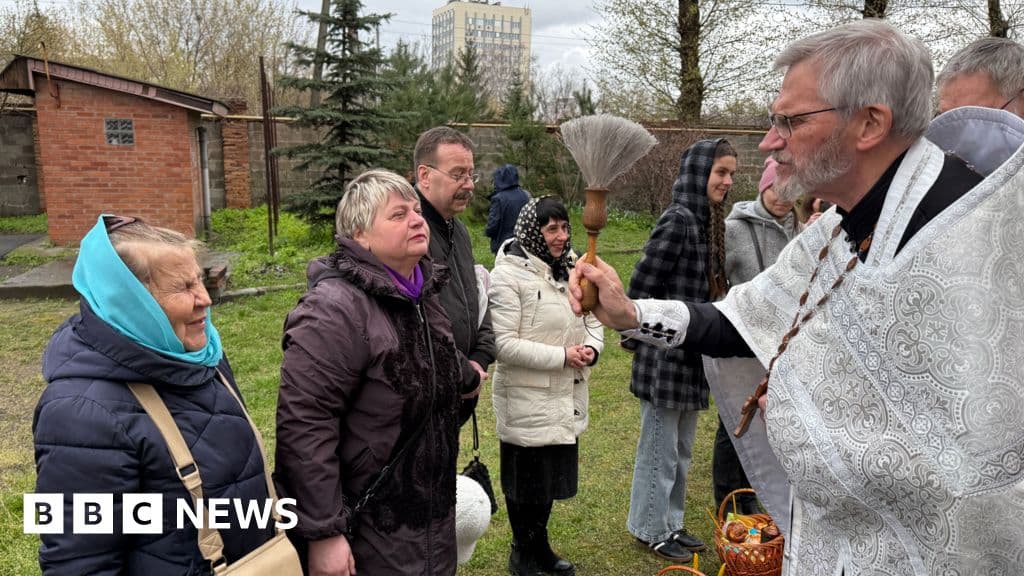
In the hours leading up to the truce, families gathered at St. John the Theologian Church in Kharkiv, carrying baskets filled with traditional Easter foods such as iced cakes, painted eggs, and sausage. The church, which has seen better days, still bore the scars of conflict, with boarded-up windows reminding attendees of the ongoing violence.
Fr. Viktor, the parish priest, expressed doubts about the sincerity of the Russian ceasefire, asking, "Do you believe them?" His concerns echoed the sentiments of many parishioners, like Larisa, who predicted that any lull in fighting would likely lead to even more intense bombardments from Russia.
At a military training facility just 12 miles from the Russian border, members of the Yasni Ochi UAV unit were busy preparing for the next phase of conflict, despite the truce. Commander Heorhiy instructed his troops to remain on standby, convinced that an attack was imminent. “Russia says one thing, then does the other. So you have to be ready,” he stated, reflecting a grim reality where trust is in short supply.
As the ceasefire unfolded, some soldiers took the opportunity to send Easter treats to their comrades on the front lines via drone. The village used for training had been occupied by Russian forces in 2022 but reclaimed by Ukraine. The destruction surrounding them was a constant reminder of the war, as many houses lay in ruins.
Although discussions about regaining territories like the Donbas region have diminished, Heorhiy maintained that Ukraine must continue to fight to secure better conditions in any future negotiations with Russia. “We need real peace talks,” he urged, highlighting the ongoing quest for a political resolution.
Despite the immediate challenges, Heorhiy took solace in the fact that nations in the Middle East were turning to Ukraine for its advanced drone technology. However, the broader peace process, once initiated by the U.S., has stalled, with President Donald Trump’s envoys diverted to conflicts in the Middle East.
Ukraine remains adamant about securing robust security guarantees from its allies, particularly in terms of U.S. support should Russia decide to escalate hostilities in the future. “It’s not our choice. I don’t like war, my guys don’t like it,” Heorhiy lamented, recalling a time when he and his unit were part of Dnipro’s vibrant underground electronic music scene. “Now we do what we need to do.”
Traveling back to Kharkiv, the roads were outfitted with netting designed to entangle Russian drones. But this measure offers little protection against missiles that can devastate homes in seconds. The threat is ever-present, with air defense systems struggling to respond in time.
In one suburb, the devastation was evident; five-story apartment blocks had been reduced to rubble. Just last month, a missile strike killed 11 people, obliterating an entire section of one building during the early morning hours. Amid the destruction, a single red rug remained—a haunting reminder of lives interrupted.
As the conflict in Ukraine drags on, the need for genuine dialogue and peace negotiations becomes increasingly urgent. The failed Easter truce serves as a stark reminder of the challenges ahead. With ongoing military preparations and renewed calls for peace, the situation remains fluid. Observers will be keenly watching for any shifts in strategy from both sides and the international community’s role in facilitating a resolution.
Ultimately, the people of Ukraine continue to endure hardships and uncertainty, hoping for a future where peace is not just a fleeting moment but a lasting reality. The question remains: will the global community step up to ensure that genuine peace is achieved, or will the cycle of violence continue to overshadow the aspirations of those yearning for safety and stability?
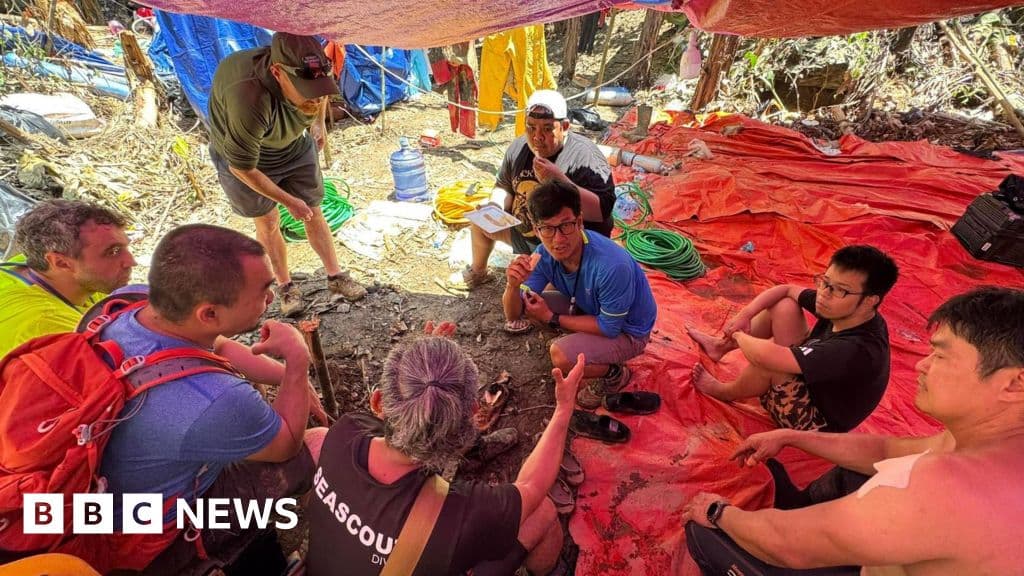
Survivors of the Laos cave rescue are aiding efforts to find the last two missing men trapped inside, sharing crucial insights for the search operation.
BBC World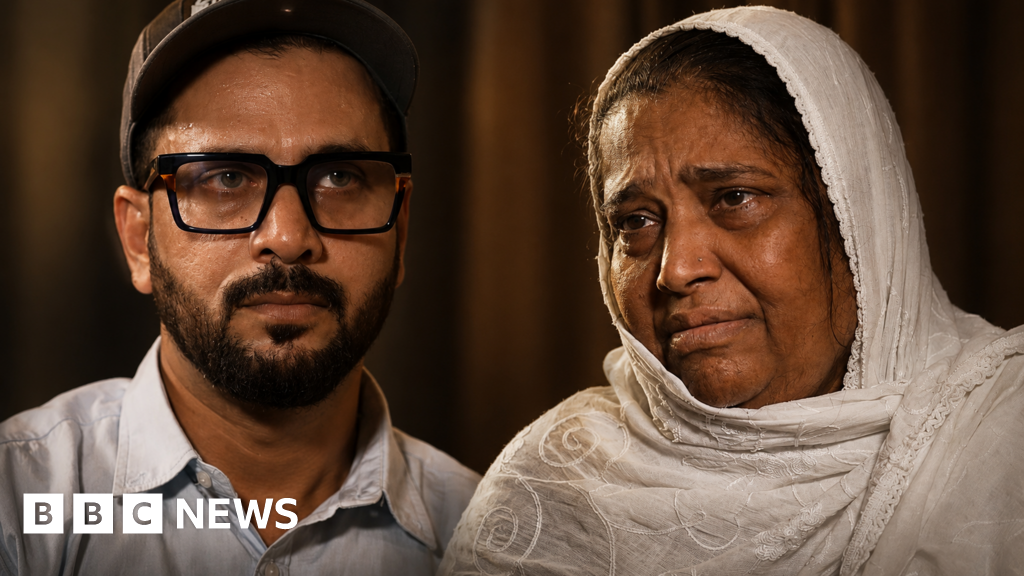
A year after the tragic Air India crash, the Ali family reflects on grief, unanswered questions, and the enduring bonds of love in the face of loss.
BBC Business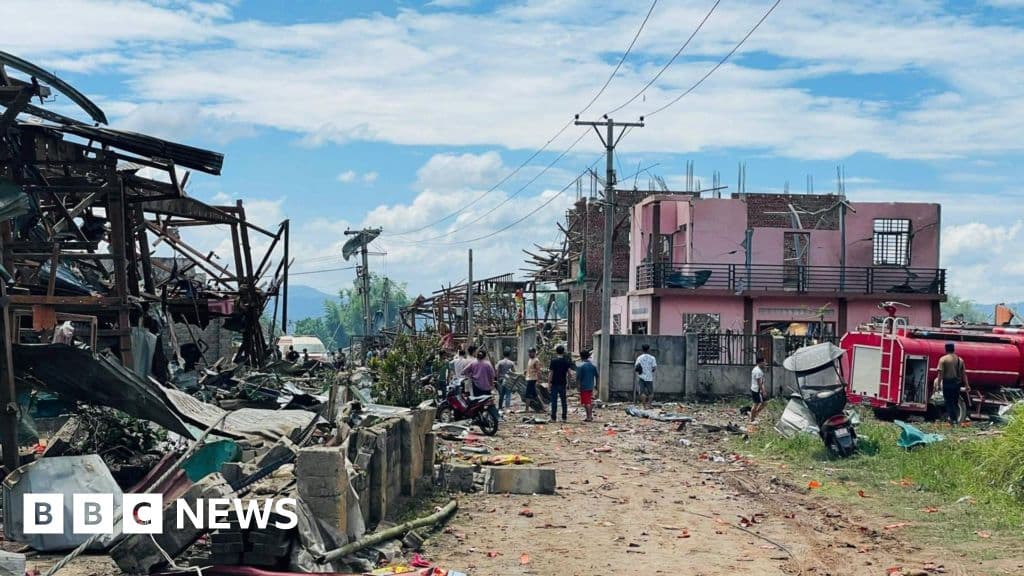
A devastating explosion in Myanmar's Kaung Tat village has killed at least 55 people, raising serious safety concerns and questions about civilian protection in conflict zones.
BBC World