
Image: BBC Business
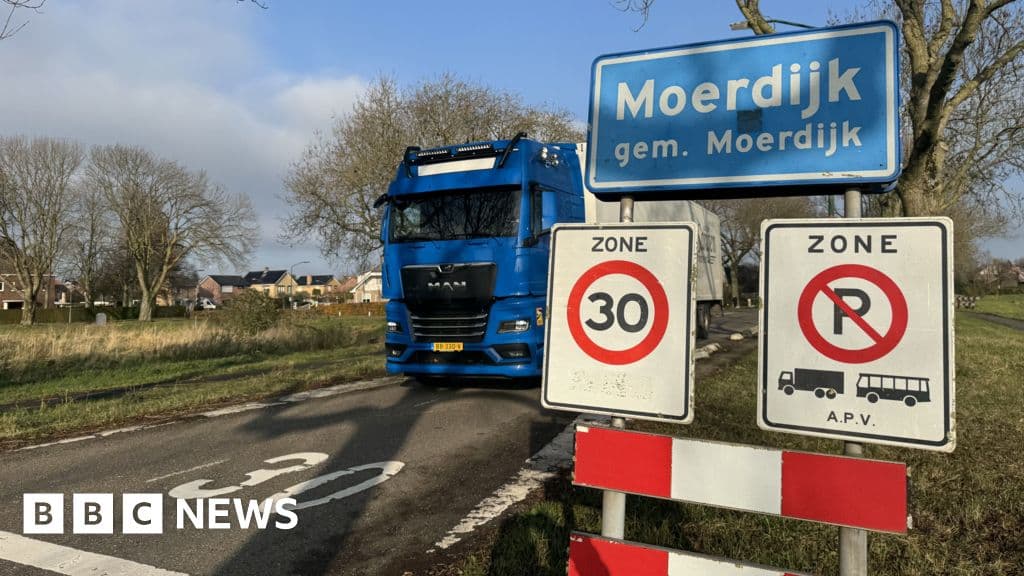
Moerdijk, a Dutch village of 1,100, faces potential demolition as the government seeks land for renewable energy infrastructure. What’s next for this community?
GlipzoIn the southern region of the Netherlands lies Moerdijk, a quaint fishing village home to approximately 1,100 residents. Unfortunately, this charming community is currently in jeopardy of being erased from the map, as the Dutch government navigates its urgent shift towards renewable energy sources. The threat of demolition looms large, with local officials eyeing the village as a prime location for essential high-voltage substations meant to connect growing offshore wind farms to the national grid.
Moerdijk’s geographical location—situated near significant ports, highways, and existing power lines—has made it an attractive site for new energy infrastructure. However, this decision could mean the loss of a long-standing community that has thrived for generations. As Jaco Koman, a local fishmonger and third-generation merchant, puts it, "We are being brought to the slaughterhouse.” His family has been fishing in the Hollands Diep estuary since 1918, and the potential loss of both his business and home weighs heavily on him.
Koman isn’t alone in feeling the impact of the looming decision. The sentiment of shock and despair rippled through the community when the news broke. Residents have expressed that the thought of losing their homes and livelihoods is nothing short of devastating. "It was really, really terrible," Koman recalls as he reflects on the emotional toll this situation has taken on his village. The threat of demolition has undeniably altered the fabric of daily life in Moerdijk.
As the energy transition continues, many villagers question the rationale behind placing such infrastructure directly on their doorstep. Koman argues that offshore wind farms could be better connected further out at sea, sparing communities like Moerdijk from the potential upheaval.
The atmosphere in Moerdijk is tense, with “For Sale” signs scattered throughout the village as residents grapple with the uncertainty of their futures. Many potential homebuyers are hesitant to invest in a community that may soon be uprooted. Flags hang at half-mast, symbolizing a community mourning the potential loss of their village, which, while still standing, feels as though it is already in a state of decline.
Inside a local grocery store, owner Andrea shares her personal fears about the impending changes. Her husband built their home with his own hands, and the emotional weight of possibly losing it is palpable. "I'm scared I'll lose my house," Andrea confesses. For her, the stakes are incredibly high, especially considering the generations of her family that have deep roots in the village. She is also troubled by the fate of the graves of her grandparents and in-laws nestled in the local cemetery.
The situation in Moerdijk reflects broader challenges faced by the Netherlands, a country known for its dense population and the constant tug-of-war between competing land uses. With the growing demand for housing, nature conservation, transportation, and now the infrastructure necessary to support renewable energy initiatives, finding a balance is increasingly difficult. The Dutch government has set ambitious goals to expand offshore wind capacity in the North Sea, aiming to meet a significant portion of national electricity needs.
However, the electricity grid is already feeling the strain, with some projects experiencing significant delays in obtaining connections. This congestion raises critical questions about how to efficiently manage land use while transitioning to cleaner energy sources.
As the debate continues, the fate of Moerdijk hangs in the balance. Residents are left to wonder what the future holds and whether their voices will be heard in this critical conversation about energy and land use. The local community is determined to advocate for alternatives that would allow them to preserve their way of life while still contributing to the Netherlands' green energy goals.
In the coming years, it will be essential to watch how the Dutch government addresses these complex challenges. Will they find a way to balance the need for renewable energy with the rights and concerns of communities like Moerdijk? The outcome could set a precedent for how similar situations are handled across the country as the Netherlands continues its journey towards a sustainable energy future.
The situation in Moerdijk represents a crucial crossroads in the Netherlands' energy transition. As officials push forward with plans for high-voltage substations, the voices of local residents must be integral to the conversation. Ensuring that communities are not sacrificed for progress is a challenge that will require innovative thinking and collaborative solutions. The outcome of this struggle will not only impact Moerdijk but could also influence how the country navigates the complexities of sustainable development moving forward.
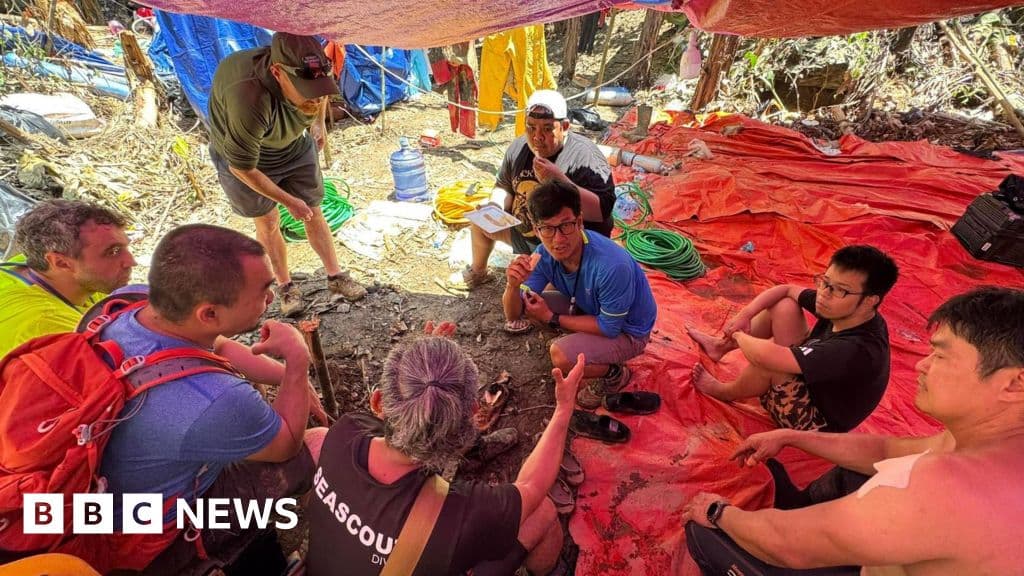
Survivors of the Laos cave rescue are aiding efforts to find the last two missing men trapped inside, sharing crucial insights for the search operation.
BBC World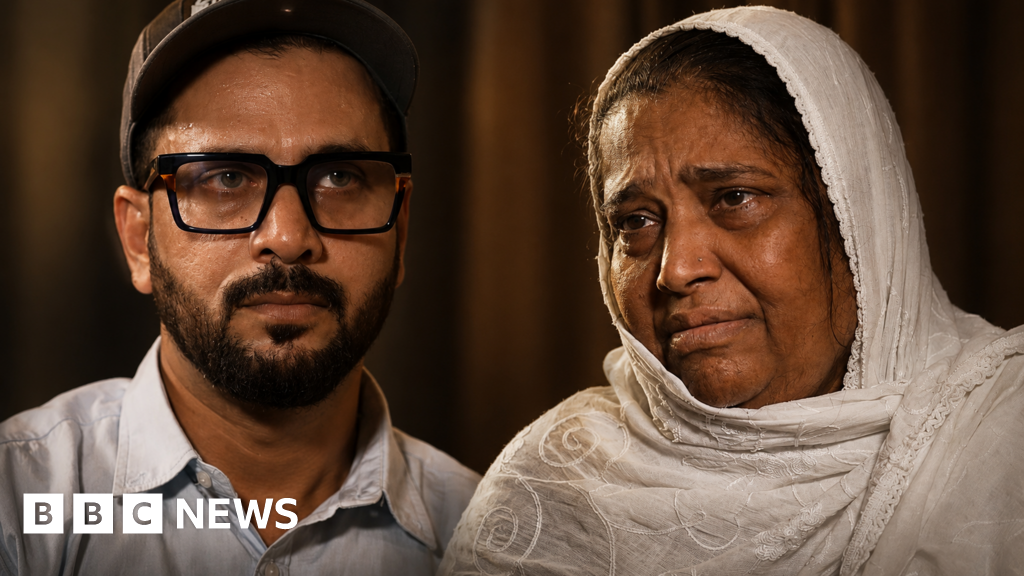
A year after the tragic Air India crash, the Ali family reflects on grief, unanswered questions, and the enduring bonds of love in the face of loss.
BBC Business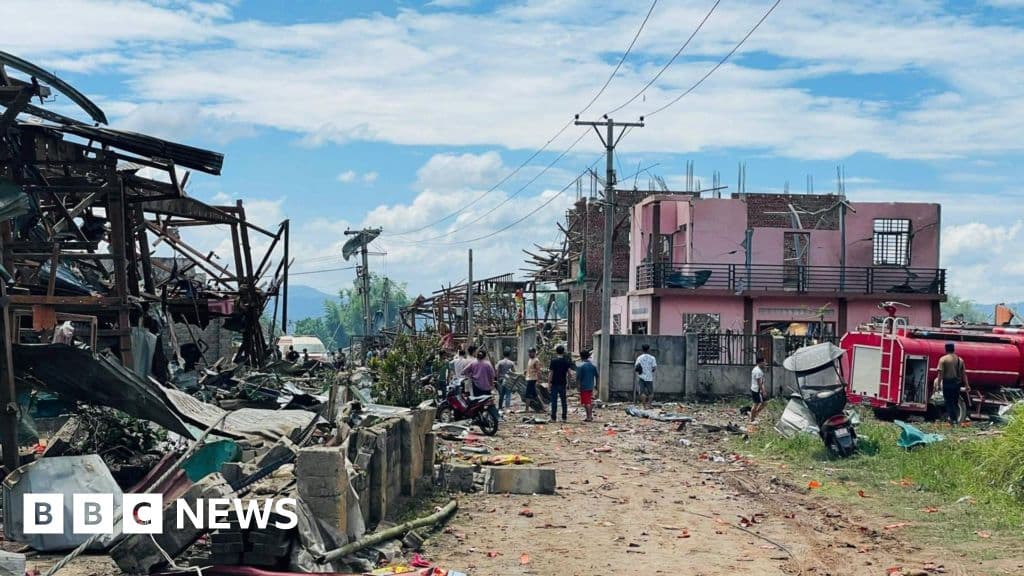
A devastating explosion in Myanmar's Kaung Tat village has killed at least 55 people, raising serious safety concerns and questions about civilian protection in conflict zones.
BBC World