
Image: Mint (Business)
Discover how a Dutch mom in Mumbai contrasts parenting styles with the Netherlands, revealing key cultural differences in raising children. Click to learn more!
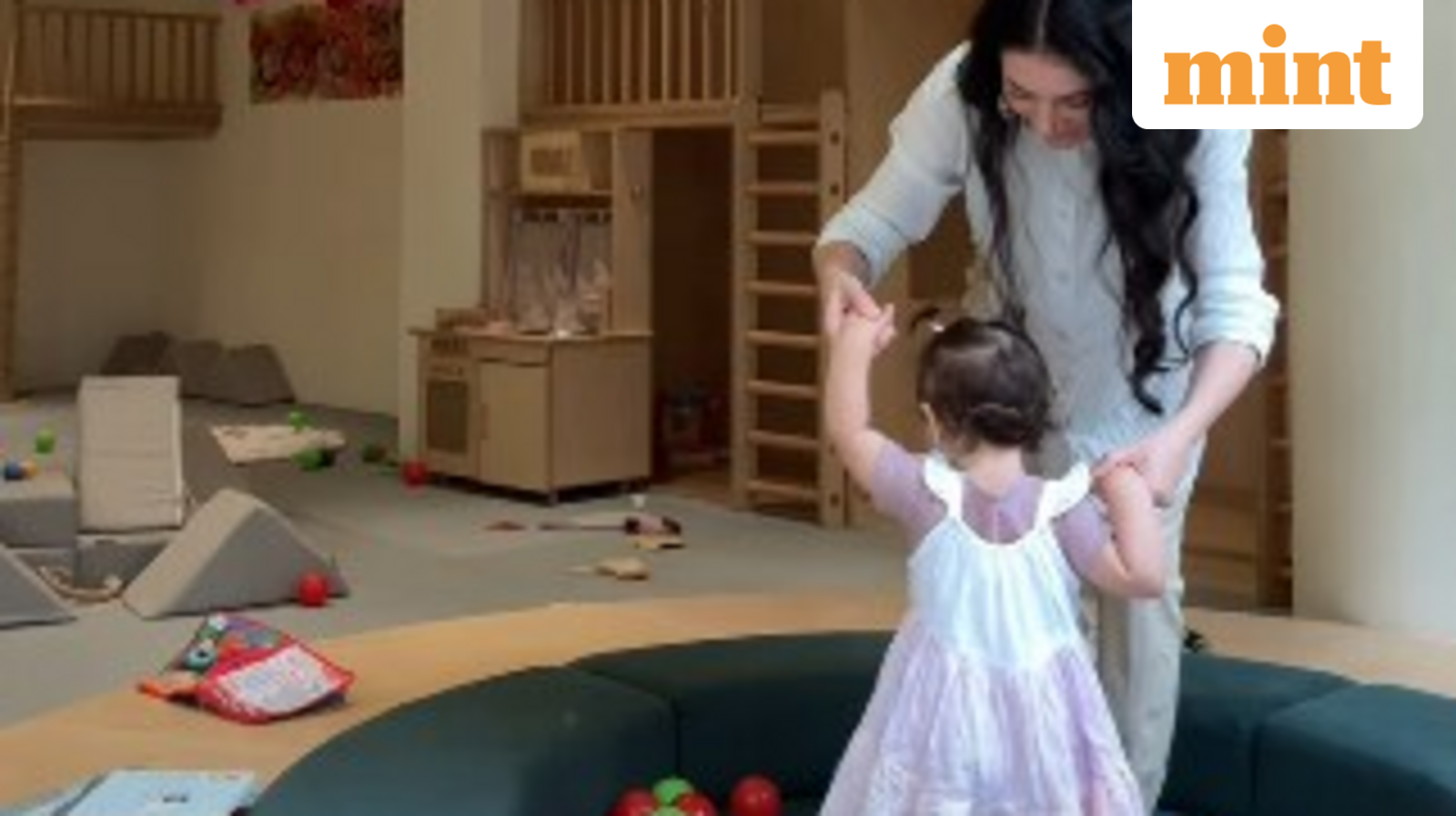
GlipzoA Dutch woman living in Mumbai has ignited an intriguing conversation about parenting in different cultural contexts through her recent social media post. Ivana, who has spent nearly nine years in India, shared her personal experiences raising her daughter, highlighting the stark contrasts between parenting in India and the Netherlands. This enlightening discussion comes at a time when many families are navigating the complexities of cross-cultural lifestyles, making her insights particularly relevant.
Celebrating her daughter's second birthday, Ivana emphasized that her reflections are not about determining which country offers a superior approach to parenting. Instead, she suggests that it’s crucial to understand the diverse systems at play and the trade-offs involved in each. "One of the biggest shifts for me was realizing that it’s not about judging which is better, but about learning how things work differently," she expressed in her post.
One of the central themes in Ivana's discussion is the role of community in child-rearing. She articulated that parenting in the Netherlands can sometimes feel like a “solo marathon,” where parents bear most of the responsibilities independently. In sharp contrast, she noted that life in Mumbai offers a robust support network, where family, neighbors, and community members actively engage in a child's upbringing.
Another noticeable difference Ivana highlighted is the perception of children in public spaces. In the Netherlands, toddlers may not always be welcomed in certain environments, like restaurants, which can limit family outings. Conversely, in India, children are generally more accepted in social settings, fostering an inclusive atmosphere for families.
This cultural openness, she argues, significantly enhances family dynamics, allowing parents to engage more freely in social activities without the fear of judgment based on their child's presence.
Ivana also explored the contrasting philosophies surrounding parenting styles. In Dutch culture, there is a strong emphasis on fostering early independence. For example, children in the Netherlands often start cycling to school at a young age. In contrast, Indian parenting tends to focus on interdependence and community relationships.
An intriguing aspect of raising her daughter in Mumbai is the exposure to multiple languages. Ivana shared that her daughter is naturally absorbing a variety of languages, including Hindi, English, and Dutch, along with regional dialects such as Punjabi and Bengali.
This organic bilingualism presents cognitive benefits, allowing her daughter to navigate different linguistic environments without structured learning, which Ivana noted was not as prevalent during her own childhood in the Netherlands.
When it comes to safety, Ivana pointed out significant contrasts between the two nations. In cities like Amsterdam, children typically enjoy greater freedom to roam outdoors independently. In Mumbai, however, safety is often tied to supervision and limited mobility, necessitating a shift in mindset for Ivana as a parent.
Education also serves as a critical point of divergence in her experiences. Ivana highlighted that academic pressure in India often begins much earlier compared to the Netherlands, where early childhood education is predominantly play-based. She described this transition as one of the more challenging aspects of her parenting journey.
Despite these pressures, Ivana acknowledged the practical advantages available in India, such as the ease of accessing domestic help. This support system allows her to invest quality time with her child without becoming overwhelmed, a luxury that might not be as easily attainable in the Netherlands, where daycare is introduced earlier.
Reflecting on her parenting journey in Mumbai, Ivana admitted that the initial experience felt daunting due to the stark contrasts with her own upbringing. However, forging connections with other parents, including fellow Dutch mothers, helped her navigate this transition more smoothly.
Her post resonated widely on social media, prompting many to relate to the cultural differences she articulated. It also raises a broader question: in an increasingly interconnected world, is there a single “correct” approach to parenting, or is it ultimately shaped by context, culture, and personal values?
As the conversation around parenting continues to evolve globally, Ivana's reflections serve as a reminder of the diverse ways families navigate child-rearing. The dialogue invites parents to consider their unique circumstances and cultural backgrounds, emphasizing that there is no one-size-fits-all approach.
As families increasingly engage with multicultural environments, it will be fascinating to observe how these conversations develop further. Will there be a blending of parenting philosophies, or will distinct approaches continue to thrive? The future of parenting remains a dynamic discussion worth following closely.
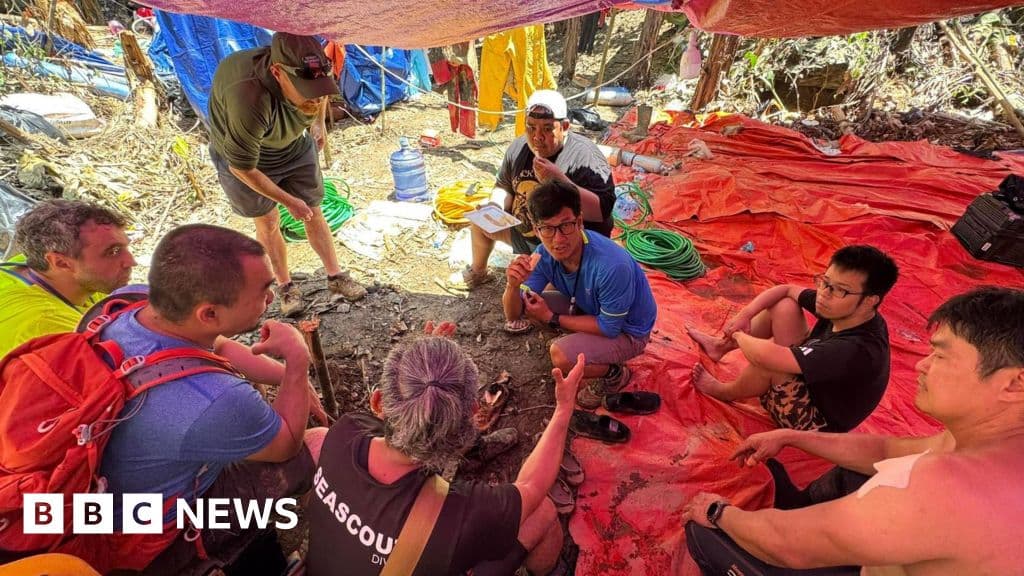
Survivors of the Laos cave rescue are aiding efforts to find the last two missing men trapped inside, sharing crucial insights for the search operation.
BBC World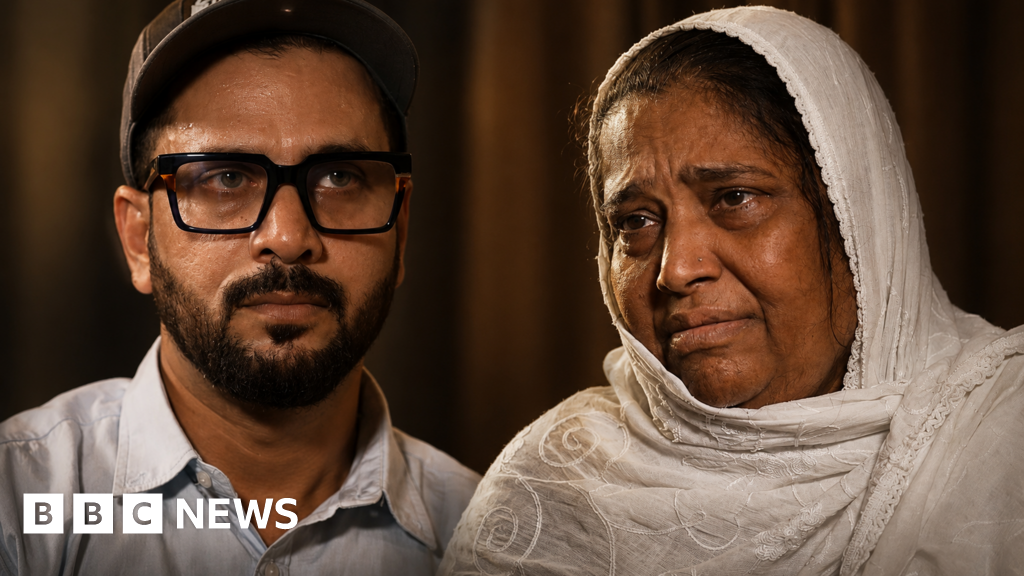
A year after the tragic Air India crash, the Ali family reflects on grief, unanswered questions, and the enduring bonds of love in the face of loss.
BBC Business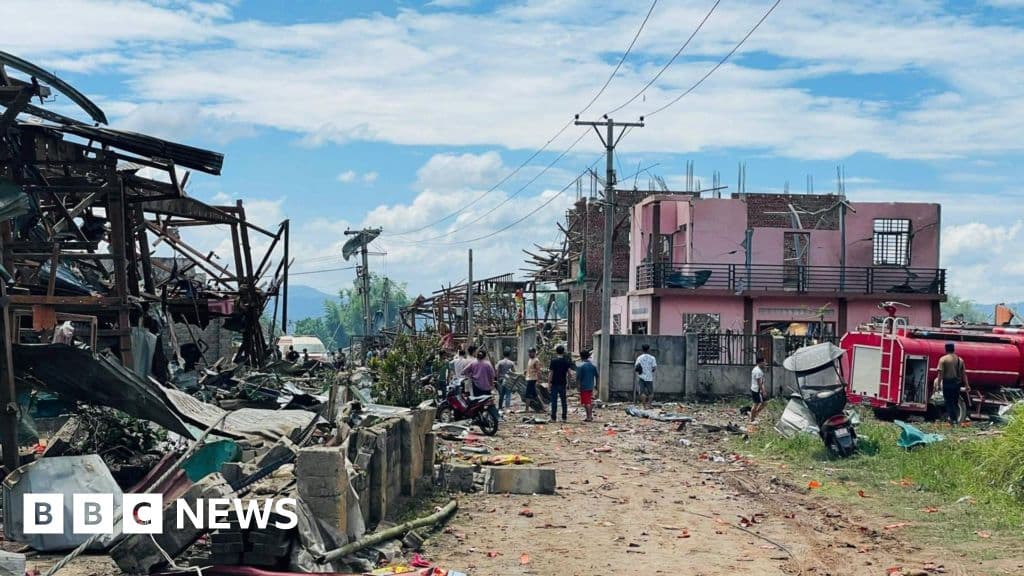
A devastating explosion in Myanmar's Kaung Tat village has killed at least 55 people, raising serious safety concerns and questions about civilian protection in conflict zones.
BBC World