
Image: Indian Express Entertainment
Discover the absurdist brilliance of Dug Dug, a film that humorously explores faith through a motorcycle turned deity in Rajasthan. Click to learn more!
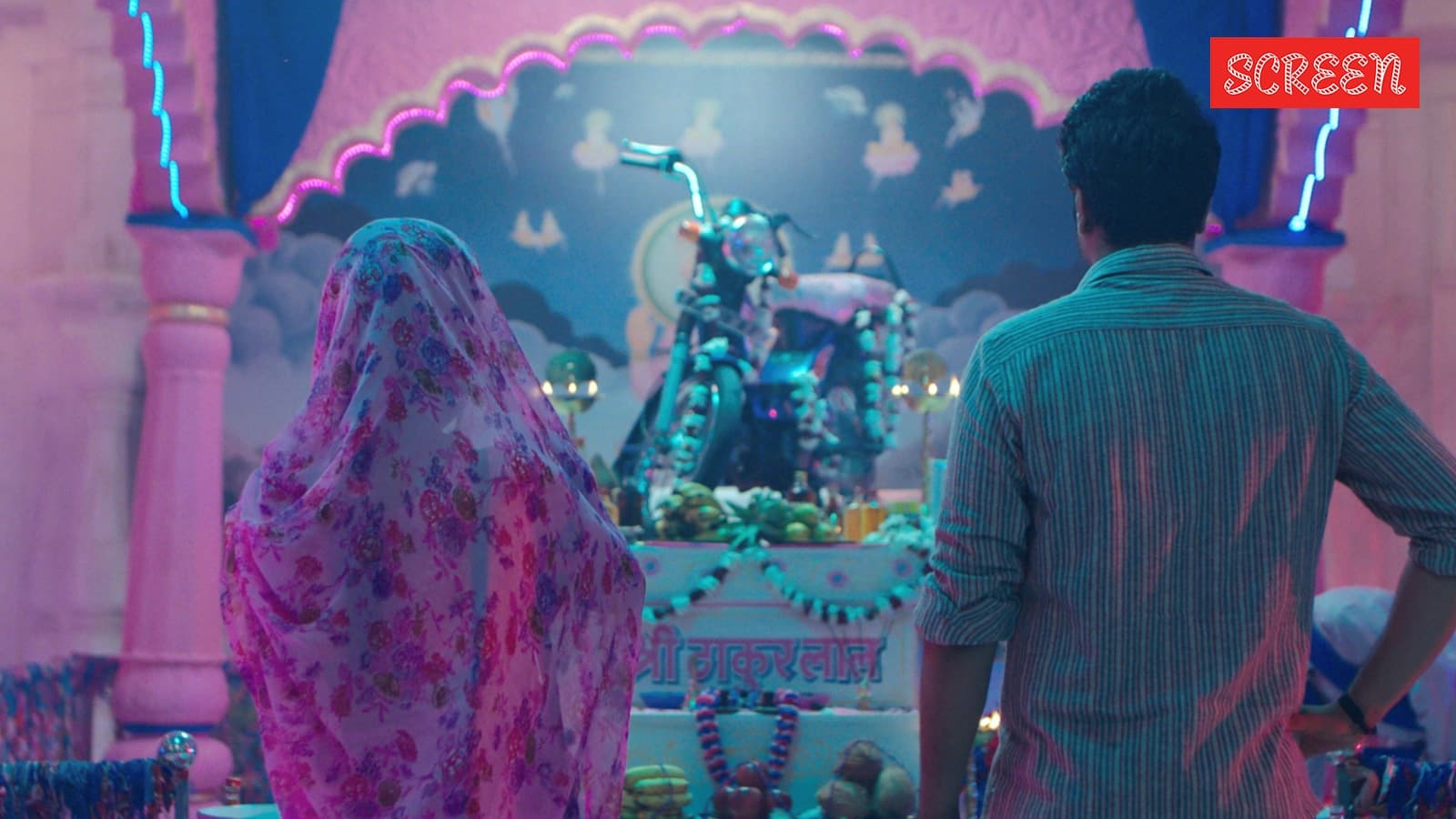
GlipzoDug Dug, a fascinating new film directed and written by Ritwik Pareek, is set to redefine the boundaries of socio-religious satire. Premiering on Friday, this absurdist drama takes viewers on a whimsical journey through Rajasthan as it explores the intersection of faith, absurdity, and the supernatural. At the heart of the story is a tragic yet oddly humorous event that leads to the emergence of a motorcycle as a deity, capturing the imagination of locals and audiences alike.
The film opens with the untimely death of Thakur Sa, a man who meets his fate in a road accident while riding a two-wheeler adorned with a pink seat. The peculiar twist comes when his motorcycle, instead of being locked away, mysteriously returns to the accident location, becoming an object of veneration. This leads to the birth of a roadside shrine dedicated to the bike, where devotees flock to pray, often leaving behind offerings of alcohol—one of Thakur Sa’s cherished indulgences.
What sets Dug Dug apart is not just its eccentric premise but also its ability to reflect a peculiar truth about faith in India. The film draws inspiration from the Om Banna temple in Jodhpur, which venerates a 350cc Royal Enfield motorcycle. This real-life connection to the absurd makes the film even more engaging, as it explores the often bizarre nature of belief without being overly critical.
The film is rich in whimsical humor and magical realism, painting a vibrant picture of how blind faith can transform everyday objects into divine symbols. The narrative unfolds without a judgmental lens, allowing audiences to ponder the larger implications of faith and belief systems. The tone remains light and playful, steering clear of preachiness while inviting reflection on the nature of devotion.
Cinematographer Aditya Kumar deserves commendation for the film’s stunning visuals. Despite the arid backdrop of Rajasthan, the film is visually arresting, utilizing a palette of pink and blue—colors associated with Thakur Sa—to enrich the storytelling. The film's design, crafted by Ranjit Singh, complements these visuals, creating an immersive experience.
Accompanying the visuals is a captivating soundtrack composed by the Salvage Audio Collective, blending jazz and rock elements that energize the film’s narrative. The combination of striking visuals and an engaging soundtrack culminates in a feast for the senses, though some moments in the second half might feel repetitive as the tale of the shrine's growing popularity unfolds.
As the film progresses, audiences are introduced to a range of characters, including a soon-to-retire police officer who reflects on his career in a moment of absurdity. While he laments that nothing remarkable occurred during his tenure, the film challenges viewers to consider the surreal phenomenon of a motorcycle becoming a deity—a testament to the strange occurrences that frequently shape life in India.
Dug Dug ultimately serves as a socio-religious satire that neither denounces nor validates the faith of its characters but instead captures the essence of an almost true story that resonates with many. The film invites viewers to find humor in the absurd and reflect on the nature of belief, making it a significant addition to contemporary Indian cinema.
With a rating of 3.5 stars, Dug Dug promises to be a thought-provoking cinematic experience that challenges conventional narratives surrounding faith and spirituality. As it continues to garner attention, audiences can look forward to discussions about its themes and the unique portrayal of socio-religious dynamics in India.
As viewers embrace this film, it will be interesting to observe how it influences future cinematic explorations of faith and absurdity. Will it inspire a new wave of storytelling that embraces the bizarre elements of life, or will it serve as a standalone gem in the realm of Indian cinema? One thing is certain: Dug Dug has left its mark, and its impact will likely resonate long after its release.
Dug Dug is more than just a film; it's a mirror reflecting India's complex relationship with faith and the surreal. It challenges audiences to confront their perceptions of spirituality while providing a humorous and engaging experience.
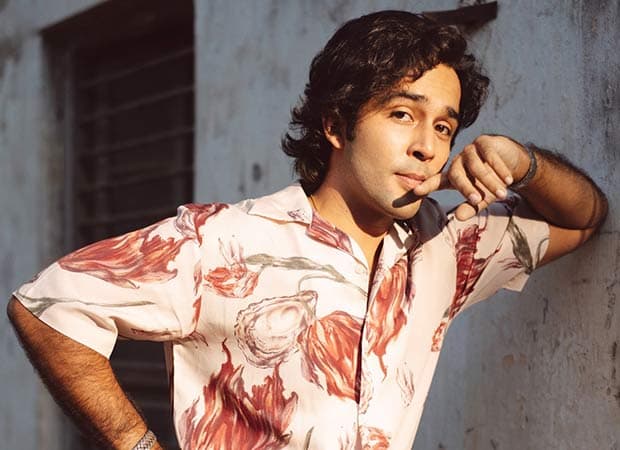
Zahan Kapoor reveals an unconventional role in his upcoming film, signaling a significant shift from his breakout success in Black Warrant. What’s next for this rising star?
Bollywood Hungama
Discover how Vishal Jethwa is transforming his physique for Shakti Shalini, emphasizing the mental discipline behind peak fitness.
Bollywood Hungama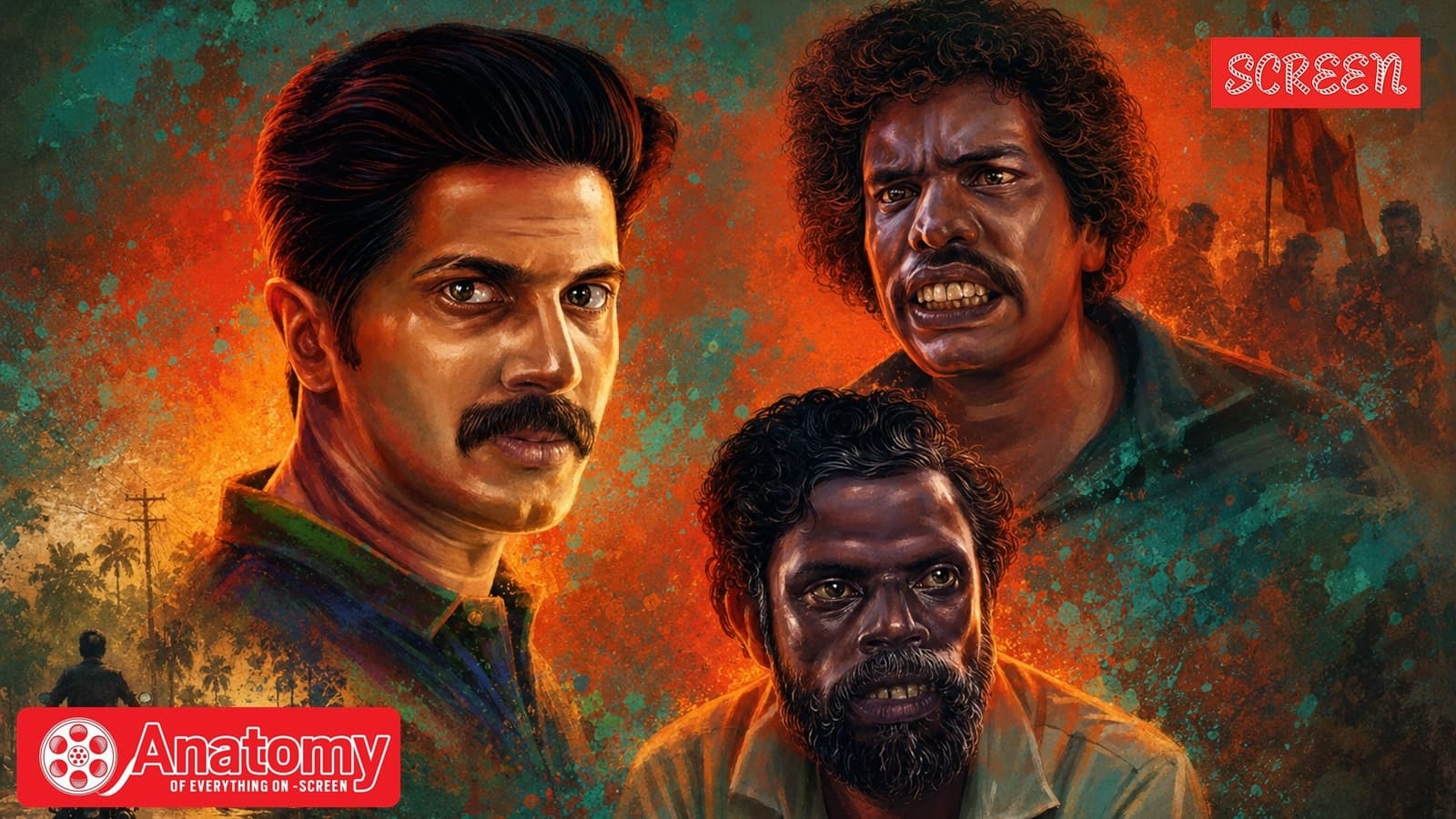
Discover the dark truths of urban development in Kammatipaadam, a film that reveals the often-overlooked sacrifices behind city growth.
Indian Express