
Glipzo
WorldTechnologyBusinessSportsEntertainmentScienceHealthPolitics
Glipzo
WorldTechnologyBusinessSportsEntertainmentScienceHealthPolitics
  1. Home
  2. /
  3. Politics
  4. /
  5. Did Australia’s Under-16 Social Media Ban Really Work?
Did Australia’s Under-16 Social Media Ban Really Work?

Image: BBC World

Politics
Sunday, March 22, 20264 min read

Did Australia’s Under-16 Social Media Ban Really Work?

Discover the impact of Australia's social media ban for under-16s three months in. Has it truly succeeded or merely shifted youth behavior?

Glipzo News Desk|Source: BBC World
Share
Glipzo

Key Highlights

  • Australia's under-16 social media ban led to 4.7 million account removals.
  • Teens report frustration and rebellion against the new law.
  • The ban coincided with a tragic mass shooting at Bondi Beach.
  • Experts debate the long-term effectiveness of social media restrictions.

In this article

  • Australia’s Social Media Ban: An Overview On **December 10, 2025**, Australia implemented a significant policy aimed at protecting its youth: a ban on social media access for children under the age of 16. This regulation mandates that social media platforms must take "**reasonable steps**" to prevent underage users from accessing their services, with hefty penalties for non-compliance—fines reaching up to **A$49.5 million (£24.5 million)** for companies that do not adhere to these guidelines.
  • Teen Perspectives: Success or Setback? In order to gauge the impact of this legislation, the BBC interviewed teenagers across various Australian cities including **Sydney, Brisbane,** and **Canberra**. Their insights reveal mixed feelings about the ban. Many teenagers expressed a sense of frustration, stating that the ban only pushes them to find alternative methods to access their favorite platforms. Some have resorted to using their parents' accounts or have even turned to VPNs to bypass the restrictions.
  • The Wider Context: Why It Matters The initiative to ban social media for those under 16 stems from growing concerns about mental health and well-being among youth. Studies have linked excessive social media use to issues such as anxiety and depression, particularly in younger demographics. By taking this legislative step, the Australian government aims to protect children from the potential negative impacts of social media, which has been a hot topic globally.
  • Community Response: From Remembrance to Resilience In a poignant turn of events, the ban coincided with a tragic mass shooting incident at **Bondi Beach**, where the Jewish community was targeted during a **Hanukkah** event. The aftermath of this tragedy has united the community in mourning and remembrance, with memorials springing up to honor the **15 victims** of the attack.
  • The Bigger Picture: What Lies Ahead? As the situation evolves, both the government and social media companies are under pressure to evaluate the effectiveness of this ban. Moving forward, several key questions remain: - **Will social media companies adapt their strategies** to better enforce this ban while also maintaining user engagement? - **How will young Australians continue to navigate their online presence** in light of these restrictions? - **What additional measures will the government implement** to ensure the mental well-being of youth?
  • Conclusion: A Call for Continuous Dialogue In conclusion, while the Australian government's **under-16 social media ban** has made a notable impact by temporarily reducing underage access, the real challenge lies in understanding and addressing the needs and behaviors of youth in a digital world. As conversations continue, it is vital for policymakers, parents, and the community to engage in a constructive dialogue about how to protect children while also fostering their digital literacy and social connections. The next steps will be critical in determining whether this ban is a temporary fix or a long-term solution to a complex issue.

Australia’s Social Media Ban: An Overview On **December 10, 2025**, Australia implemented a significant policy aimed at protecting its youth: a ban on social media access for children under the age of 16. This regulation mandates that social media platforms must take "**reasonable steps**" to prevent underage users from accessing their services, with hefty penalties for non-compliance—fines reaching up to **A$49.5 million (£24.5 million)** for companies that do not adhere to these guidelines.

While the law does not penalize children or their parents for violations, the Australian government has reported an impressive 4.7 million accounts belonging to individuals under 16 were deactivated, removed, or restricted shortly after the ban took effect. This raises an important question: Has the ban been effective in curbing underage social media use?

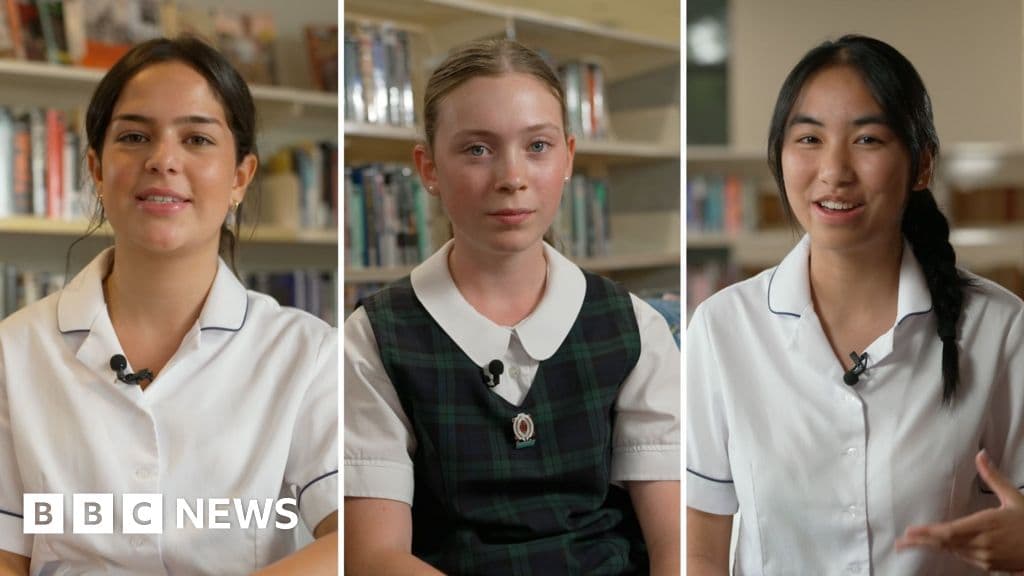
Teen Perspectives: Success or Setback? In order to gauge the impact of this legislation, the BBC interviewed teenagers across various Australian cities including **Sydney, Brisbane,** and **Canberra**. Their insights reveal mixed feelings about the ban. Many teenagers expressed a sense of frustration, stating that the ban only pushes them to find alternative methods to access their favorite platforms. Some have resorted to using their parents' accounts or have even turned to VPNs to bypass the restrictions.

Here are some key observations shared by young Australians: - Increased Frustration: Many teens feel that the ban has made them more determined to access social media, leading to a sense of rebellion. - Social Isolation: Some teenagers reported feeling left out from social circles that predominantly communicate through social media. - Adaptation: Others found creative workarounds to stay connected, indicating that the ban may not be as effective as intended.

The Wider Context: Why It Matters The initiative to ban social media for those under 16 stems from growing concerns about mental health and well-being among youth. Studies have linked excessive social media use to issues such as anxiety and depression, particularly in younger demographics. By taking this legislative step, the Australian government aims to protect children from the potential negative impacts of social media, which has been a hot topic globally.

With millions of accounts reportedly affected, the ban's immediate impact appears substantial. However, the long-term effectiveness remains uncertain. Critics argue that simply banning access does not address the underlying issues that lead to unhealthy social media engagement.

Community Response: From Remembrance to Resilience In a poignant turn of events, the ban coincided with a tragic mass shooting incident at **Bondi Beach**, where the Jewish community was targeted during a **Hanukkah** event. The aftermath of this tragedy has united the community in mourning and remembrance, with memorials springing up to honor the **15 victims** of the attack.

As people gathered at Bondi Beach to pay their respects, the community's response highlighted the importance of social connections during times of grief. This has further complicated discussions around social media use; while some argue for a ban to protect youth, others emphasize the role of social media in fostering community support during crises.

The Bigger Picture: What Lies Ahead? As the situation evolves, both the government and social media companies are under pressure to evaluate the effectiveness of this ban. Moving forward, several key questions remain: - **Will social media companies adapt their strategies** to better enforce this ban while also maintaining user engagement? - **How will young Australians continue to navigate their online presence** in light of these restrictions? - **What additional measures will the government implement** to ensure the mental well-being of youth?

The future of social media regulation in Australia is likely to become a focal point for discussions on youth safety and digital engagement. As the government monitors the situation, it will be crucial to analyze both the immediate outcomes and long-term implications of this unprecedented ban. The balance between protecting children and allowing them to form essential social connections will continue to be a contentious issue in the coming months.

Conclusion: A Call for Continuous Dialogue In conclusion, while the Australian government's **under-16 social media ban** has made a notable impact by temporarily reducing underage access, the real challenge lies in understanding and addressing the needs and behaviors of youth in a digital world. As conversations continue, it is vital for policymakers, parents, and the community to engage in a constructive dialogue about how to protect children while also fostering their digital literacy and social connections. The next steps will be critical in determining whether this ban is a temporary fix or a long-term solution to a complex issue.

Did you find this article useful? Share it!

Share

Related Articles

Rumen Radev Poised for Victory in Bulgarian Parliamentary Election
Politics
Apr 20, 2026

Rumen Radev Poised for Victory in Bulgarian Parliamentary Election

Rumen Radev's Progressive Bulgaria party is set to win the crucial October 2023 parliamentary elections, promising a strong vision for Bulgaria's future.

BBC World
Zelensky Slams US for Extending Russian Oil Sanctions Waiver
Politics
Apr 20, 2026

Zelensky Slams US for Extending Russian Oil Sanctions Waiver

Ukrainian President Zelensky condemns the US for extending a Russian oil sanctions waiver, emphasizing it funds the war against Ukraine amid rising tensions.

BBC World
Ukraine's Patrol Police Chief Resigns After Fatal Shooting
Politics
Apr 20, 2026

Ukraine's Patrol Police Chief Resigns After Fatal Shooting

Ukraine's police chief resigns after officers fled a deadly shooting in Kyiv. What does this mean for law enforcement accountability in the country?

BBC World

Categories

  • World
  • Technology
  • Business
  • Sports

More

  • Entertainment
  • Science
  • Health
  • Politics

Explore

  • Web Stories
  • About Us
  • Contact

Legal

  • Privacy Policy
  • Terms of Service

© 2026 Glipzo. All rights reserved.

