
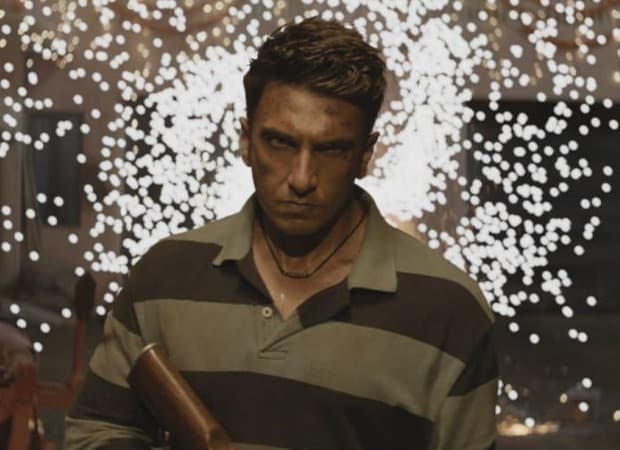
Image: Bollywood Hungama
Dhurandhar The Revenge faces legal scrutiny over alleged defense leaks. Delhi HC calls for a thorough review by government and CBFC. What’s next?
GlipzoDhurandhar The Revenge, the much-anticipated film featuring Ranveer Singh, is currently facing significant legal challenges after allegations surfaced regarding the potential breach of the Official Secrets Act. On Wednesday, the Delhi High Court instructed the Union government and the Central Board of Film Certification (CBFC) to thoroughly investigate claims that the film may have disclosed sensitive operational details related to India's armed forces.
The legal proceedings were prompted by a Public Interest Litigation (PIL) submitted by Deepak Kumar, a Head Constable with the Sashastra Seema Bal (SSB). Kumar's petition raises serious concerns about the film's content, suggesting that certain scenes and references could jeopardize national security and the integrity of the country.
The crux of the allegations lies in the film's portrayal of operational locations and characters that appear to be inspired by high-ranking officials and deceased servicemen. The petition argues that these representations are not in the best interest of national security. Moreover, it claims that Dhurandhar The Revenge exposes information regarding drugs being developed by the Defence Research and Development Organisation (DRDO).
During the proceedings, the Court acknowledged that while the film is classified as a fictional and entertainment-oriented project, the concerns raised cannot be dismissed lightly. The Bench, consisting of Chief Justice Devendra Kumar Upadhyaya and Justice Tejas Karia, remarked, "Even if the movie is a work of fiction and imagination and is made for entertainment purposes, the impact of the movie can’t be denied."
The High Court refrained from imposing immediate restrictions on the film. Instead, it directed the Ministry of Information and Broadcasting (MIB) and the CBFC to treat the PIL as a formal representation and to make informed decisions regarding the issues presented.
The Court stated, "Having regard to the nature of the issue and concerns raised in the petition, we are of the opinion that the concerns raised by the petitioner need to be considered and addressed appropriately." This directive underscores the need for thorough scrutiny of films that delve into sensitive subjects, particularly those related to national defense.
The situation surrounding Dhurandhar The Revenge has drawn considerable attention, especially given the film's high-octane action narrative and the buzz surrounding Ranveer Singh's performance. However, this legal predicament adds a new dynamic to the conversation about how defense and intelligence themes are represented in mainstream cinema.
This case reignites a crucial debate about the balance between creative freedom in filmmaking and the imperative of national security. Filmmakers often seek to enhance the authenticity of their narratives by drawing from real-life events and military operations. However, this practice raises questions about where to draw the line, particularly when such portrayals may threaten national interests.
As the CBFC and MIB deliberate on the issues raised in the PIL, many are left wondering what the future holds for Dhurandhar The Revenge. Will the film be allowed to proceed as planned, or will it face cuts and modifications to ensure compliance with national security laws? The outcome may set a significant precedent for how films depicting military operations are regulated in India.
For audiences, the ongoing controversy may amplify interest in the film, prompting discussions about the responsibilities of filmmakers when addressing sensitive topics. As the release date approaches, all eyes will be on the decisions made by the authorities, as they will not only affect Dhurandhar The Revenge but also influence the landscape of cinematic storytelling in India.
This unfolding situation presents an opportunity for filmmakers to rethink their approach to sensitive subjects and for authorities to establish clearer guidelines that protect national interests while still allowing creative expression in the arts. The intersection of art and national security remains a complex and evolving battlefield.
As the Delhi High Court continues to scrutinize the allegations against Dhurandhar The Revenge, the film industry may need to brace itself for a broader reassessment of how defense-related narratives are portrayed in cinema. This legal episode serves as a reminder of the delicate balance between creativity and responsibility in storytelling, particularly in a nation where security concerns are paramount.
With the potential for more legal challenges in the future, filmmakers must navigate these waters carefully, ensuring that their creative expressions do not inadvertently compromise national safety.
The implications of this case extend beyond just one film; it raises vital questions about artistic expression, freedom of speech, and the ethical responsibilities of filmmakers in a country where national security is a top priority. As discussions unfold, it will be crucial to monitor how the film industry adapts to these challenges moving forward.
Zahan Kapoor reveals an unconventional role in his upcoming film, signaling a significant shift from his breakout success in Black Warrant. What’s next for this rising star?
Bollywood Hungama
Discover how Vishal Jethwa is transforming his physique for Shakti Shalini, emphasizing the mental discipline behind peak fitness.
Bollywood Hungama
Discover the dark truths of urban development in Kammatipaadam, a film that reveals the often-overlooked sacrifices behind city growth.
Indian Express