
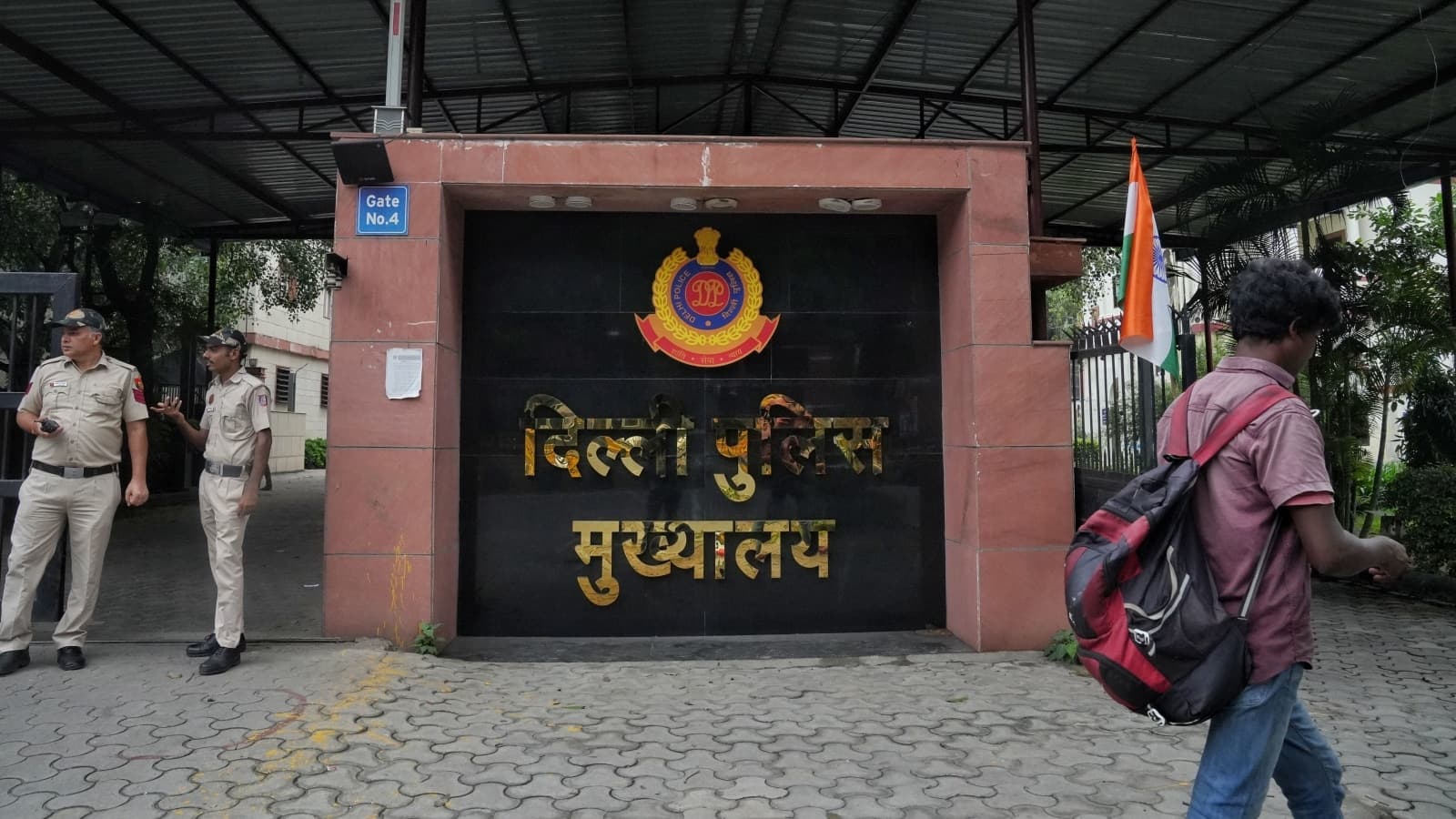
Image: Indian Express
Delhi Police has launched a specialized Bomb Threat Investigation Cell to combat the rising trend of hoax bomb threats across the capital. Learn more!
GlipzoIn a timely response to a noticeable increase in bomb threats across the city, the Delhi Police has established a specialized Bomb Threat (E-mail) Investigation Cell. This strategic move aims to enhance the city’s capability to manage hoax threats that have been flooding in, particularly targeting schools, hospitals, courthouses, and even the Indira Gandhi International Airport. The decision to create this unit reflects a growing concern over the misuse of digital communication for malicious intents, with email being the primary channel for these threats.
The spike in hoax bomb threats over the past year has necessitated a more focused approach to tackling such incidents. Police officials have indicated that the new unit will serve as a centralized hub for tracking, analyzing, and responding to bomb threat communications. By consolidating all related emails and associated data, authorities hope to enhance both the efficiency and effectiveness of investigations.
The newly formed cell will operate under the Intelligence Fusion and Strategic Operations (IFSO) wing of the Delhi Police. Located at Tower-II on Jai Singh Road, this specialized unit is set to function with a streamlined team, including an Inspector, an Assistant Sub-Inspector, and a Constable. The initiative, which was formally announced by Anyesh Roy, Deputy Commissioner of Police-II, IFSO, is already in effect, marking a significant step forward in Delhi’s approach to digital threats.
The creation of the unit comes at a time when investigations into previous bomb threats have revealed the complexities involved, such as the use of VPNs and spoofed identities. These methods have made it increasingly difficult for local police forces to quickly identify the sources of these threats. The rise in hoax communications has not only triggered extensive security protocols but has also strained the resources of law enforcement agencies.
Officials from the Delhi Police have acknowledged the urgent need for a technologically advanced unit to centralize intelligence and improve response times. The new Bomb Threat Investigation Cell will conduct comprehensive analyses of all bomb threat emails, focusing on several critical aspects:
Collaboration will be key, as investigators from this unit will work closely with local district police units and other agencies to ensure swift data preservation and thorough investigations. Furthermore, all district units have been instructed to promptly report any bomb threats along with relevant details to this specialized cell, thereby establishing a well-coordinated framework for managing these threats.
The establishment of the Bomb Threat Investigation Cell is not just a reactive measure; it highlights a critical shift in how law enforcement agencies are adapting to the evolving landscape of crime and security threats. With an increasing number of incidents being reported, the need for a dedicated unit signifies a proactive stance against potential security risks in urban centers like Delhi. This initiative is crucial for several reasons:
As the new Bomb Threat Investigation Cell begins its operations, all eyes will be on how effectively it can mitigate the challenges posed by digital threats. The integration of advanced technology in investigations will likely lead to quicker and more reliable responses to bomb threats. Moreover, as the unit gathers data and insights, it may influence broader security policies and practices in urban areas across India.
Going forward, the public can expect a more robust approach from the Delhi Police in handling bomb threats. Key developments to watch for include:
By establishing this specialized unit, the Delhi Police is not only responding to an immediate crisis but also setting the groundwork for a safer and more secure urban environment in the future.

Tensions soar as the US and Iran engage in air strikes near the Strait of Hormuz, raising concerns over global oil supply and regional stability.
BBC World
Trump's international interventions face serious stalemates. What will this mean for U.S. foreign policy? Explore the critical challenges ahead.
Indian Express
Tehran denies resignation of President Masoud Pezeshkian amid claims of IRGC influence. What does this mean for Iran's political stability? Click to learn more!
Indian Express