Glipzo
WorldTechnologyBusinessSportsEntertainmentScienceHealthPolitics
Glipzo
WorldTechnologyBusinessSportsEntertainmentScienceHealthPolitics
  1. Home
  2. /
  3. Health
  4. /
  5. Dalai Lama's Wisdom: Happiness Comes from Your Actions
Dalai Lama's Wisdom: Happiness Comes from Your Actions

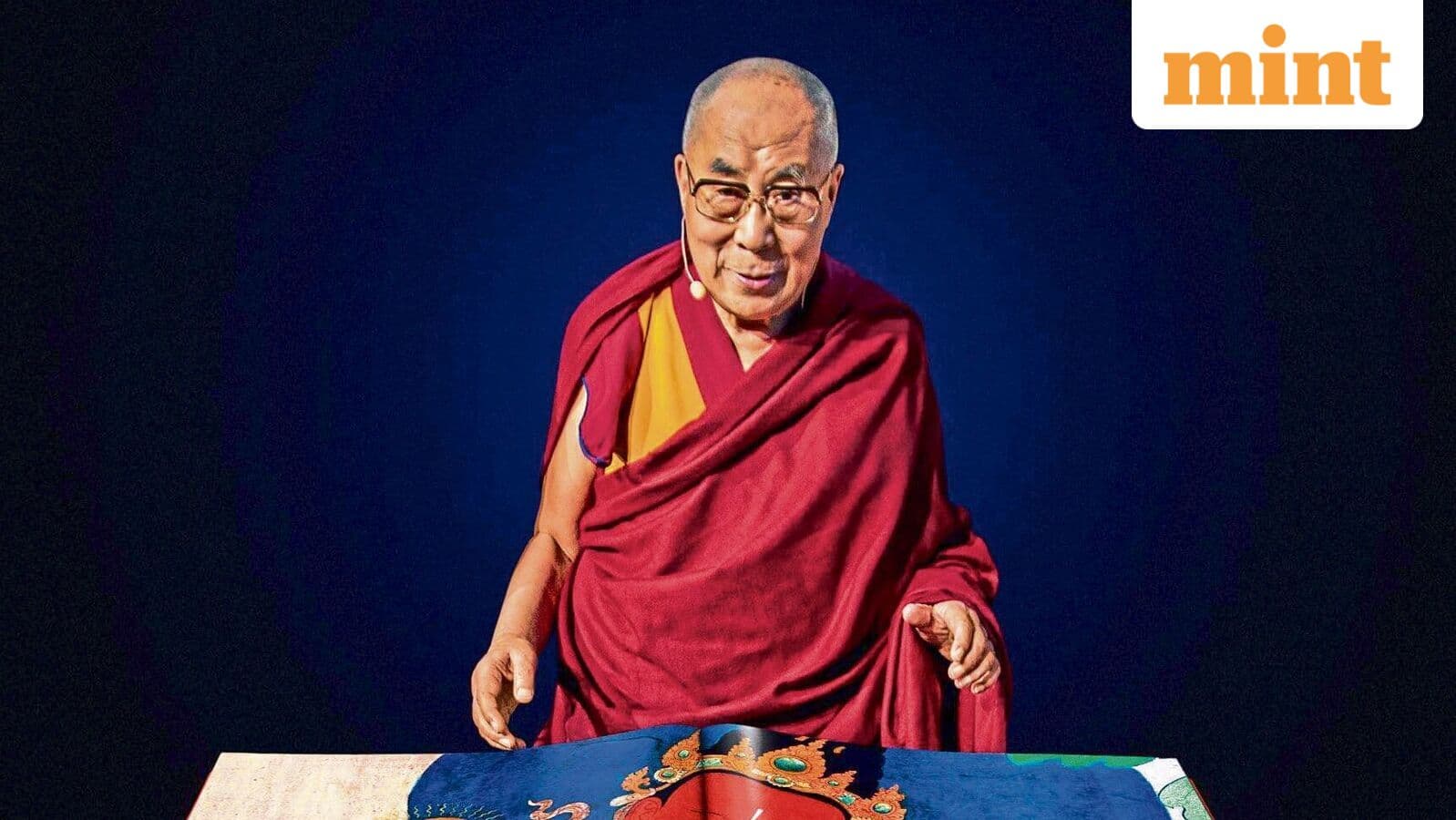
Image: Mint (Business)

Health
Monday, March 16, 20265 min read

Dalai Lama's Wisdom: Happiness Comes from Your Actions

Discover the Dalai Lama's profound insights on happiness and how your actions shape your joy. Explore strategies for cultivating a happier life.

Glipzo News Desk|Source: Mint (Business)
Share
Glipzo

Key Highlights

  • Happiness is a choice, not a chance occurrence.
  • Transform joy into an active pursuit through mindful actions.
  • Leaders must separate happiness from external achievements.
  • Compassionate workplaces drive long-term success.

In this article

  • The Pursuit of Happiness in a Complex World In a world that seems to grow increasingly chaotic, the quest for inner peace has become more vital than ever. In the late 20th century, **the Dalai Lama** brought forward a transformative perspective on happiness that resonates with people across various backgrounds. His assertion that happiness is not merely a stroke of luck but rather a result of our own actions has sparked a significant shift in how we perceive joy and fulfillment.
  • Reframing the Concept of Joy The Dalai Lama's philosophy redefines happiness, shifting it away from being a passive experience to an active pursuit. His famous quote, **"It comes from your own actions,"** serves as a powerful reminder that joy is not something handed to us by fate or circumstance. Instead, it is a deliberate choice that stems from our daily decisions and interactions.
  • The Role of Self-Reflection in Achieving Happiness To embrace this philosophy fully, individuals must engage in a continuous process of self-reflection and evaluation. Every emotional response to setbacks in business, every interaction with coworkers, and the narratives we create around our failures contribute to our emotional landscape. As such, we must actively shape our reality through mindful choices and actions.
  • The Life and Teachings of the Dalai Lama Understanding the significance of this philosophy necessitates a closer look at the life of the Dalai Lama himself. Born **Lhamo Thondup** in 1935, he was recognized as the reincarnation of the 13th Dalai Lama at a mere two years old. By the age of 25, he faced an existential crisis as he witnessed the disintegration of his homeland, culminating in a dramatic escape to India in 1959.
  • Practical Wisdom for Leaders Today For contemporary leaders navigating the challenges of market volatility and organizational change, the Dalai Lama's teachings provide a robust framework for sustainable leadership. Here are key takeaways: - **Dismantling the "If-Then" Fallacy**: Leaders often fall into the trap of believing that happiness is contingent upon external achievements, such as promotions or quarterly profits. The Dalai Lama urges us to decouple our well-being from these metrics. - **Investing in Compassion**: Building a workplace culture that prioritizes psychological safety, active listening, and mutual respect isn’t just good ethics; it’s essential for driving long-term organizational happiness and employee retention. - **Emotional Hygiene**: Just as one would analyze a financial statement, professionals should audit their daily actions and emotional responses. This practice involves letting go of reactive anger and fostering constructive mindsets.
  • The Broader Impact of the Dalai Lama's Teachings The Dalai Lama's influence transcends religious boundaries, profoundly impacting how modern institutions approach mental health and human capital. His dialogues with scientists and practitioners advocate for a holistic understanding of well-being, bridging the gap between spiritual wisdom and empirical evidence.
  • What Lies Ahead As we continue to navigate the complexities of modern life, the teachings of the Dalai Lama remind us of the importance of personal agency in achieving happiness. Going forward, we should watch for how these principles are integrated into workplace cultures and societal norms. Will more leaders embrace compassionate action as a strategy for success? Can organizations thrive by prioritizing mental well-being and emotional intelligence? The answers to these questions may shape a new era of leadership and personal fulfillment.

The Pursuit of Happiness in a Complex World In a world that seems to grow increasingly chaotic, the quest for inner peace has become more vital than ever. In the late 20th century, **the Dalai Lama** brought forward a transformative perspective on happiness that resonates with people across various backgrounds. His assertion that happiness is not merely a stroke of luck but rather a result of our own actions has sparked a significant shift in how we perceive joy and fulfillment.

The Tibetan spiritual leader addressed audiences grappling with the complexities of modern life, emphasizing that despite the wealth enjoyed in many developed nations, individuals often experience profound psychological poverty. This stark observation challenges the notion that material success equates to happiness. According to the Dalai Lama, true contentment requires a conscious effort, akin to mastering a skill or navigating a challenging market.

Reframing the Concept of Joy The Dalai Lama's philosophy redefines happiness, shifting it away from being a passive experience to an active pursuit. His famous quote, **"It comes from your own actions,"** serves as a powerful reminder that joy is not something handed to us by fate or circumstance. Instead, it is a deliberate choice that stems from our daily decisions and interactions.

This perspective aligns with cognitive behavioral principles and Stoic philosophy, both of which emphasize personal responsibility and the importance of mindset. The idea that joy is not pre-packaged but rather cultivated challenges the widespread belief that achieving certain milestones—whether in career, finances, or social status—will automatically lead to happiness.

The Role of Self-Reflection in Achieving Happiness To embrace this philosophy fully, individuals must engage in a continuous process of self-reflection and evaluation. Every emotional response to setbacks in business, every interaction with coworkers, and the narratives we create around our failures contribute to our emotional landscape. As such, we must actively shape our reality through mindful choices and actions.

The Dalai Lama’s insights compel us to transform happiness from a noun into a verb. This transformation requires a consistent recalibration of our ethical compass, utilizing tools like compassion and mindfulness to manage stress and build resilience in an increasingly turbulent world.

The Life and Teachings of the Dalai Lama Understanding the significance of this philosophy necessitates a closer look at the life of the Dalai Lama himself. Born **Lhamo Thondup** in 1935, he was recognized as the reincarnation of the 13th Dalai Lama at a mere two years old. By the age of 25, he faced an existential crisis as he witnessed the disintegration of his homeland, culminating in a dramatic escape to India in 1959.

Despite losing political power and territorial sovereignty, the Dalai Lama chose not to succumb to resentment. Instead, he exemplified his teachings by establishing a government-in-exile in Dharamshala and pivoting from military resistance to a campaign of non-violent diplomacy. His engagement with prominent figures in science and politics illustrates his commitment to merging ancient wisdom with modern insights, earning him the Nobel Peace Prize in 1989.

Practical Wisdom for Leaders Today For contemporary leaders navigating the challenges of market volatility and organizational change, the Dalai Lama's teachings provide a robust framework for sustainable leadership. Here are key takeaways: - **Dismantling the "If-Then" Fallacy**: Leaders often fall into the trap of believing that happiness is contingent upon external achievements, such as promotions or quarterly profits. The Dalai Lama urges us to decouple our well-being from these metrics. - **Investing in Compassion**: Building a workplace culture that prioritizes psychological safety, active listening, and mutual respect isn’t just good ethics; it’s essential for driving long-term organizational happiness and employee retention. - **Emotional Hygiene**: Just as one would analyze a financial statement, professionals should audit their daily actions and emotional responses. This practice involves letting go of reactive anger and fostering constructive mindsets.

The Broader Impact of the Dalai Lama's Teachings The Dalai Lama's influence transcends religious boundaries, profoundly impacting how modern institutions approach mental health and human capital. His dialogues with scientists and practitioners advocate for a holistic understanding of well-being, bridging the gap between spiritual wisdom and empirical evidence.

In a world marked by uncertainty and stress, his teachings remind us that while we may not control external circumstances, we do control our reactions and choices. This understanding empowers individuals to take charge of their happiness, creating a ripple effect that can positively influence communities and organizations alike.

What Lies Ahead As we continue to navigate the complexities of modern life, the teachings of the Dalai Lama remind us of the importance of personal agency in achieving happiness. Going forward, we should watch for how these principles are integrated into workplace cultures and societal norms. Will more leaders embrace compassionate action as a strategy for success? Can organizations thrive by prioritizing mental well-being and emotional intelligence? The answers to these questions may shape a new era of leadership and personal fulfillment.

In conclusion, the Dalai Lama’s insights challenge us to redefine our understanding of happiness and take actionable steps toward cultivating joy in our lives. By doing so, we not only enhance our own well-being but also contribute to a more harmonious and compassionate world.

Did you find this article useful? Share it!

Share

Related Articles

Shocking Verdict: Quack Doctor Sentenced to 3 Years in Jail
Health
Apr 19, 2026

Shocking Verdict: Quack Doctor Sentenced to 3 Years in Jail

A Surat man, Devnarayan Patel, was sentenced to 3 years in jail for practicing medicine with a fake degree, highlighting the ongoing battle against quackery.

Indian Express
HiPP Recalls Baby Food in Austria Due to Contamination Risk
Health
Apr 19, 2026

HiPP Recalls Baby Food in Austria Due to Contamination Risk

HiPP recalls baby food in Austria over contamination fears, urging parents to check products. What does this mean for infant safety? Read more.

BBC World
Should You Trust AI Chatbots for Health Advice? Experts Weigh In
Health
Apr 19, 2026

Should You Trust AI Chatbots for Health Advice? Experts Weigh In

Can you trust AI chatbots for health advice? Discover the pros and cons of using AI in healthcare, with insights from real users and experts.

BBC Health

Categories

  • World
  • Technology
  • Business
  • Sports

More

  • Entertainment
  • Science
  • Health
  • Politics

Explore

  • Web Stories
  • About Us
  • Contact

Legal

  • Privacy Policy
  • Terms of Service

© 2026 Glipzo. All rights reserved.