
Image: BBC World
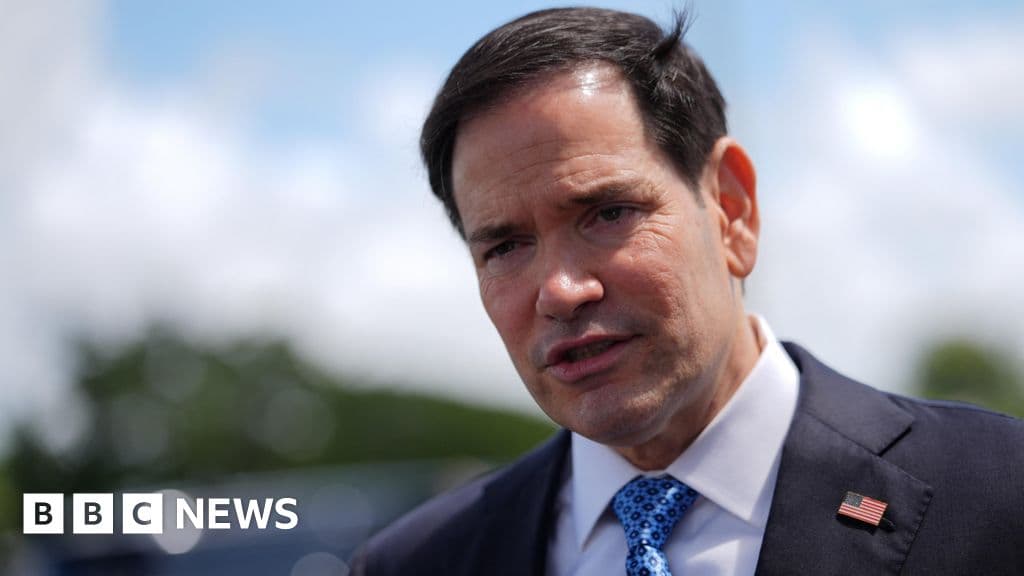
Rubio claims Cuba is a national security threat amid tensions with Havana, who accuses him of lies. What does this mean for future relations?
GlipzoIn a bold declaration, U.S. Secretary of State Marco Rubio has labeled Cuba a significant national security threat to the United States, suggesting that the chances for a peaceful resolution between the two nations are dwindling. This assertion comes on the heels of new legal actions against Cuba’s former president, Raúl Castro, who has been indicted for murder related to the 1996 downing of two planes, which tragically resulted in the deaths of several American citizens.
Rubio, emphasizing the gravity of the situation, stated that while the U.S. prefers diplomatic channels, the current climate makes such negotiations unlikely. “I'm just being honest with you; the likelihood of that happening, given who we're dealing with right now, is not high,” he remarked. His statements underscore a growing tension between the two countries, especially amidst ongoing humanitarian crises faced by the Cuban people.
Following Rubio's comments, Cuba’s Foreign Minister Bruno Rodríguez swiftly countered the allegations, labeling them as outright “lies.” Rodríguez insisted that Cuba has never posed a genuine threat to the United States and accused Rubio of attempting to provoke military aggression against the island nation.
In a spirited defense, he stated, “The systematic attacks on my country by the U.S. government are ruthless.” He urged the international community to recognize the pressures Cuba faces, particularly in light of the U.S. oil blockade, which has severely impacted the nation’s fuel supplies and contributed to ongoing economic hardships.
The situation in Cuba has become increasingly dire, with citizens grappling with prolonged blackouts and severe food shortages exacerbated by the longstanding U.S. embargo. According to reports, the nation recently accepted a $100 million humanitarian aid offer from the U.S., highlighting the urgent need for assistance amid escalating crises.
Despite these challenges, Rubio continues to assert that Cuba is one of the “leading sponsors of terrorism in the entire region.” This claim was met with vehement denial from Rodríguez, who labeled the accusation as unfounded. The contrasting narratives reflect the deep-seated animosity and mistrust that characterize U.S.-Cuba relations.
President Donald Trump has also weighed in on the matter, describing Cuba as a “failed country” and vowing to assist them from a humanitarian perspective. He expressed a desire to help the Cuban people thrive, stating, “Cuban-Americans want to go back to their country and help Cuba succeed.” Trump has been vocal about his administration's intentions to exert pressure on Cuba and has hinted at potential changes to the longstanding regime.
The indictment of Castro may signal a shift in U.S. policy towards Cuba, reminiscent of previous actions taken against other controversial leaders in the region, such as Venezuelan President Nicolás Maduro. When pressed about the logistics of bringing Castro to the U.S. to face charges, Rubio was noncommittal, suggesting that discussing such plans publicly would undermine their effectiveness.
As tensions escalate, the future of U.S.-Cuba relations remains uncertain. The recent actions taken by the U.S. government, coupled with Rubio’s stark warnings, may set the stage for a more confrontational approach towards Cuba. Observers are keenly watching how the Cuban government will respond to these pressures, especially as the humanitarian situation continues to deteriorate.
In the face of these developments, several key questions arise: - Will the U.S. pursue further legal actions against Cuban leaders? - How will Cuba respond to ongoing U.S. sanctions and pressures? - Can diplomacy prevail, or are military options being considered?
As the international community keeps a close eye on Cuba and its relations with the U.S., the outcomes of these confrontations could have far-reaching implications for both countries and the broader region. The need for effective diplomacy has never been more critical, but with each passing day, the prospects for peace seem increasingly elusive.
The current situation between the U.S. and Cuba matters not just for the two nations involved but also for the geopolitical landscape of the region. As Cuba grapples with internal crises, how the U.S. chooses to engage—whether through diplomacy or increased sanctions—will significantly impact the lives of millions of Cubans and the broader dynamics of international relations in Latin America.
The world is watching, and the stakes are high as both countries navigate this complex and turbulent chapter in their history.

Tensions soar as the US and Iran engage in air strikes near the Strait of Hormuz, raising concerns over global oil supply and regional stability.
BBC World
Trump's international interventions face serious stalemates. What will this mean for U.S. foreign policy? Explore the critical challenges ahead.
Indian Express
Tehran denies resignation of President Masoud Pezeshkian amid claims of IRGC influence. What does this mean for Iran's political stability? Click to learn more!
Indian Express