
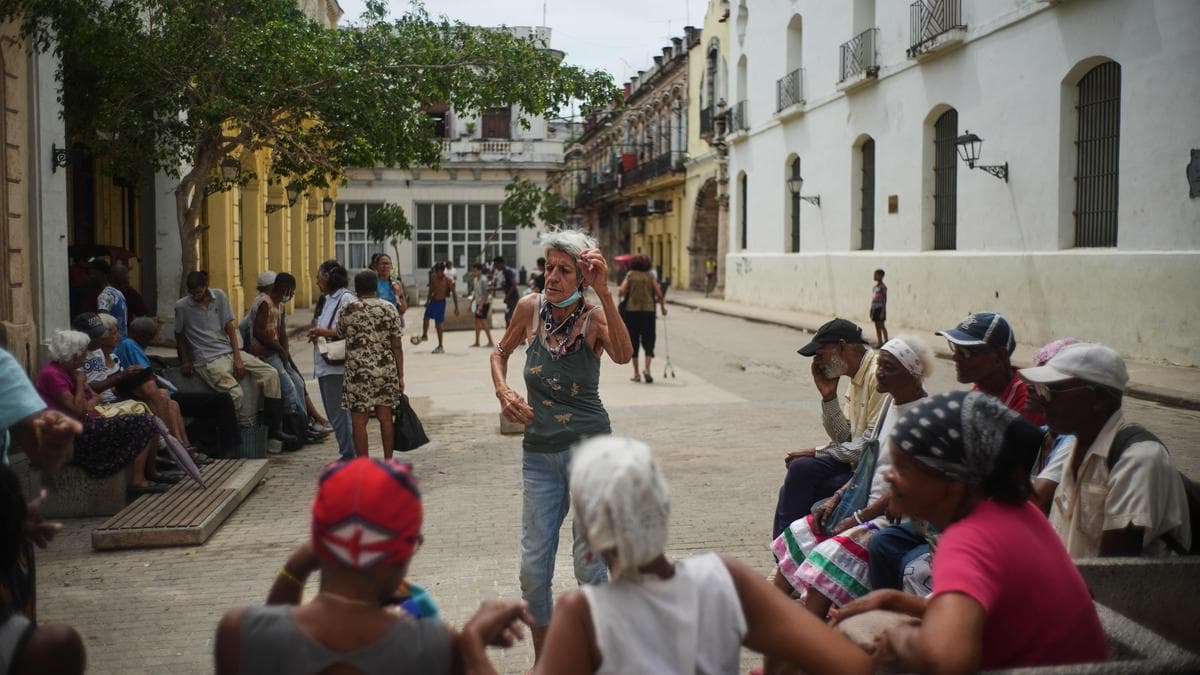
Image: The Hindu
Cuba struggles with ongoing blackouts as the power grid falters. Learn how the U.S. oil blockade impacts daily life and what the future holds.
GlipzoOn March 17, 2026, Cuba experienced a significant nationwide power outage that left many citizens in the dark. The blackout is the latest in a series of setbacks tied to the island's struggling infrastructure and external pressures, notably the U.S. oil blockade aimed at undermining the communist regime. As of Tuesday morning, reports indicated that two-thirds of the population had their electricity restored, but the situation remains precarious for many.
In the capital city of Havana, which houses approximately 1.7 million residents, some neighborhoods received power back, providing a semblance of normalcy. Individuals like Olga Suarez, a 64-year-old retiree, expressed their ongoing anxiety about food spoilage due to the unpredictable power cuts. "What we fear all the time is that the blackout will drag on and we will lose the little bit that we have in the fridge, because everything is so expensive," she stated, highlighting the daily struggles faced by many.
Cuba's electricity generation system is in dire condition, with residents facing daily outages that can last up to 20 hours in some areas. The root of this crisis lies in the aging infrastructure and a severe lack of fuel needed to operate power plants. The situation has worsened since the U.S. ouster of Nicolas Maduro, a key ally of Cuba, on January 3. Following this political shift, the island has not imported any oil since January 9, further crippling its power sector and severely affecting the tourism industry, a vital component of the Cuban economy.
The U.S. government's ongoing oil blockade has made it increasingly difficult for Cuba to source the necessary resources to stabilize its energy grid. This has, in turn, led to airlines reducing their flights to the island, compounding the economic difficulties faced by the population of 9.6 million.
As the crisis unfolds, President Donald Trump has publicly called for a change in leadership in Havana, exerting pressure on the Cuban government amidst the ongoing turmoil. The economic ramifications of the blackouts are felt not only in households but also across various sectors, including tourism and agriculture, which rely heavily on stable electricity supply.
With many Cubans accustomed to living with sporadic electricity, the emotional toll of these blackouts can be profound. Citizens often improvise, using candles and flashlights to navigate through the darkness, while businesses struggle to maintain operations without reliable power. The fear of losing perishable goods is a constant anxiety, especially as food prices continue to soar.
As Cuba navigates this complex crisis, the future remains uncertain. The restoration of power, while a relief for many, is only a temporary fix in a system plagued by structural issues and external pressures. Observers are closely monitoring the situation as it develops, particularly with regards to potential shifts in U.S. foreign policy and the implications for Cuba's economy and governance.
The ongoing energy crisis in Cuba is not just a technical issue; it represents the broader struggles of a nation facing significant economic and political challenges. The situation underscores the vulnerability of Cuba's infrastructure and the impact of international relations on ordinary citizens' lives. As power outages continue to plague the island, the need for sustainable solutions becomes increasingly urgent.
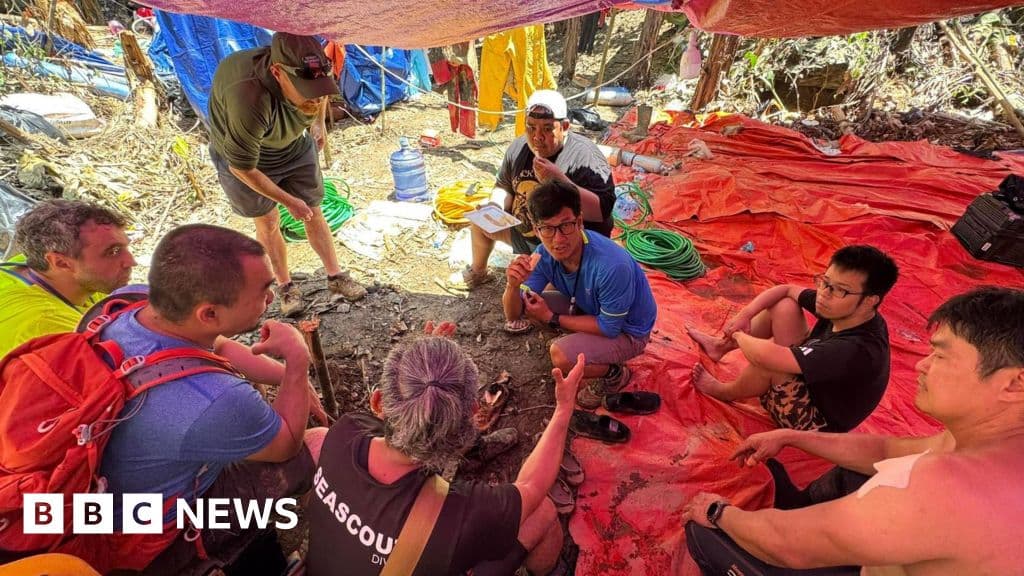
Survivors of the Laos cave rescue are aiding efforts to find the last two missing men trapped inside, sharing crucial insights for the search operation.
BBC World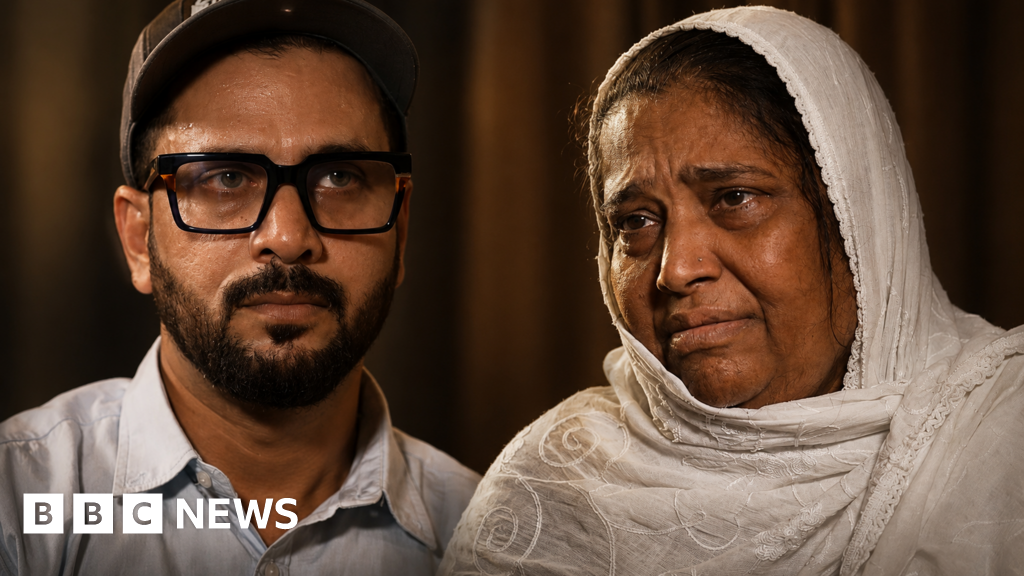
A year after the tragic Air India crash, the Ali family reflects on grief, unanswered questions, and the enduring bonds of love in the face of loss.
BBC Business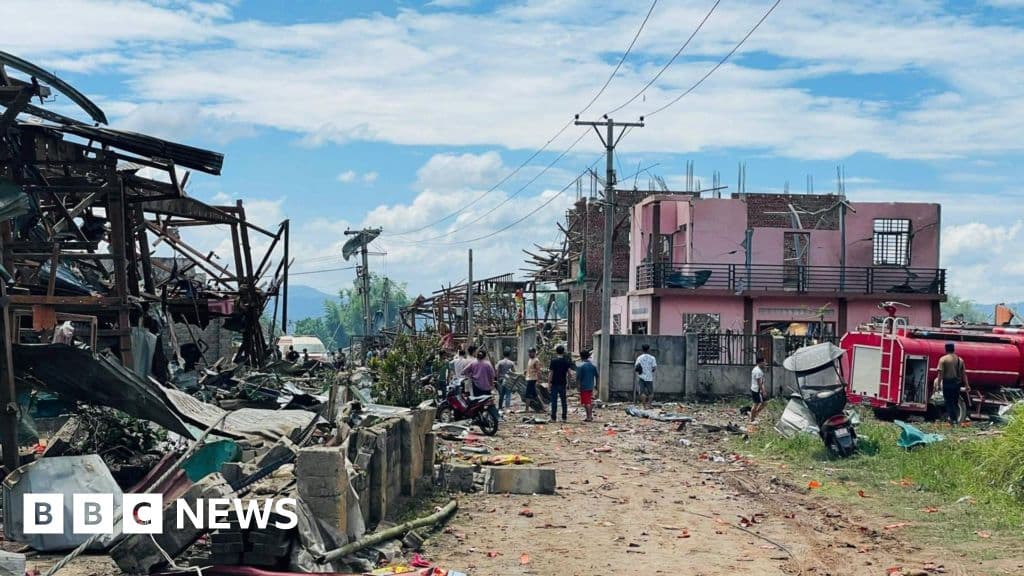
A devastating explosion in Myanmar's Kaung Tat village has killed at least 55 people, raising serious safety concerns and questions about civilian protection in conflict zones.
BBC World