
Image: BBC World
Cuba releases 2,010 prisoners in a humanitarian gesture amid US pressure. Discover the implications of this significant decision.
GlipzoIn a significant move, Cuba has initiated the release of 2,010 prisoners as a purported “humanitarian and sovereign gesture.” This decision comes in the wake of mounting pressure from the United States, particularly under the administration of President Donald Trump. The release, which began on Thursday, marks a pivotal moment in Cuba’s ongoing struggle with human rights issues and international relations.
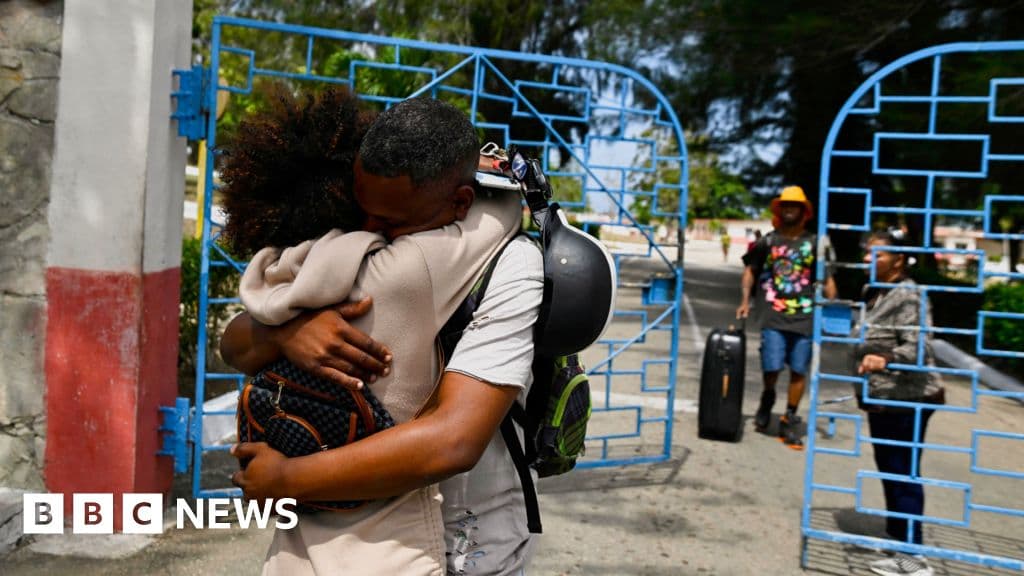
The first group of freed inmates emerged from La Lima prison in eastern Havana, emotional reunions taking place as they embraced waiting family members. According to reports from AFP, the atmosphere was charged with tears of joy as more than 20 inmates left the confines of the prison, signaling hope for many families across the island.
The release is not random; it includes a diverse selection of inmates, such as: - Foreign nationals - Young individuals - Women - Elderly persons over 60
Statements from the Cuban embassy in the United States indicate that the selection process for those released was meticulous, taking into account various factors such as: - The nature of their offenses - Their behavior while incarcerated - The duration of their sentences served - Their health conditions
This release coincides with the Holy Week celebrations, a time traditionally associated with mercy and forgiveness in Cuban culture, and is reportedly part of a customary practice within the Cuban criminal justice system.
Cuba’s decision to release prisoners is largely perceived as a strategic move influenced by the Trump administration's hardline stance against the Communist government. Since Trump’s return to the White House, he has expressed a clear intent to reshape the political landscape in Cuba, implementing measures such as blocking oil shipments to the island. This has contributed to dire fuel shortages and widespread blackouts affecting daily life for many Cubans.
Recently, a Russian-owned tanker successfully docked at a Cuban port, delivering approximately 730,000 barrels of crude oil—the first such shipment since January. Trump himself noted he had “no problem” with this development, reflecting the complexities of international alliances and dependencies.
Despite the release of these prisoners, the situation regarding political detainees remains precarious. Human Rights Watch reports that Cuba holds numerous political prisoners, with many government critics facing harassment and severe legal repercussions. The Cuban government has been known to engage in systematic oppression of dissent, which raises questions about the true nature of these recent releases.
Among the first released was Albis Gainza, a 46-year-old who had been serving a six-year sentence for robbery. Reports from 14ymedio, a Cuban opposition outlet, indicate that 41 prisoners were released from another facility, the Toledo 2 Forced Labor Prison, underscoring the broader scope of this humanitarian gesture.
This is not the first instance of a mass prisoner release in Cuba. Earlier this year, in March, 51 prisoners were freed following discussions with the Vatican, and back in 2025, a significant release of 553 individuals was facilitated through negotiations involving the Vatican and the US.
The backdrop of these releases is the evolving geopolitical landscape in Latin America. Following the US’s seizure of Venezuelan ex-President Nicolás Maduro, the focus on Cuba has intensified. Venezuela, which previously provided Cuba with oil under favorable conditions, has also begun releasing political prisoners, a demand strongly advocated by the US.
The recent developments in Cuba’s prison release program are indicative of the ongoing tension between the island nation and the United States. As President Miguel Díaz-Canel's administration navigates these challenges, the potential for deeper negotiations remains. However, both sides have articulated rigid political and economic boundaries that complicate the possibility of a constructive dialogue.
Trump has hinted at more aggressive measures, suggesting that the US could “take” Cuba by force. This rhetoric, coupled with the World Health Organization's warnings about the impact of fuel shortages on healthcare services, paints a concerning picture for the future of Cuba.
Looking ahead, the island is bracing for the arrival of a second Russian oil tanker, which promises to deliver sufficient oil to sustain Cuba’s economic needs in the short term. As the situation continues to unfold, observers will be keenly watching how both the Cuban government and the US administration respond to these developments, particularly regarding human rights and political reforms.
The release of prisoners in Cuba is not just a humanitarian act; it resonates deeply within the broader context of international relations, human rights, and the ongoing struggle for freedom in authoritarian regimes. As the world watches, the implications of these actions could set the stage for future diplomatic engagements and shifts in the balance of power in the Caribbean.
The situation remains dynamic, and the coming months will reveal whether this trend of prisoner releases will lead to significant changes in US-Cuba relations or merely serve as a temporary measure amidst ongoing tensions.
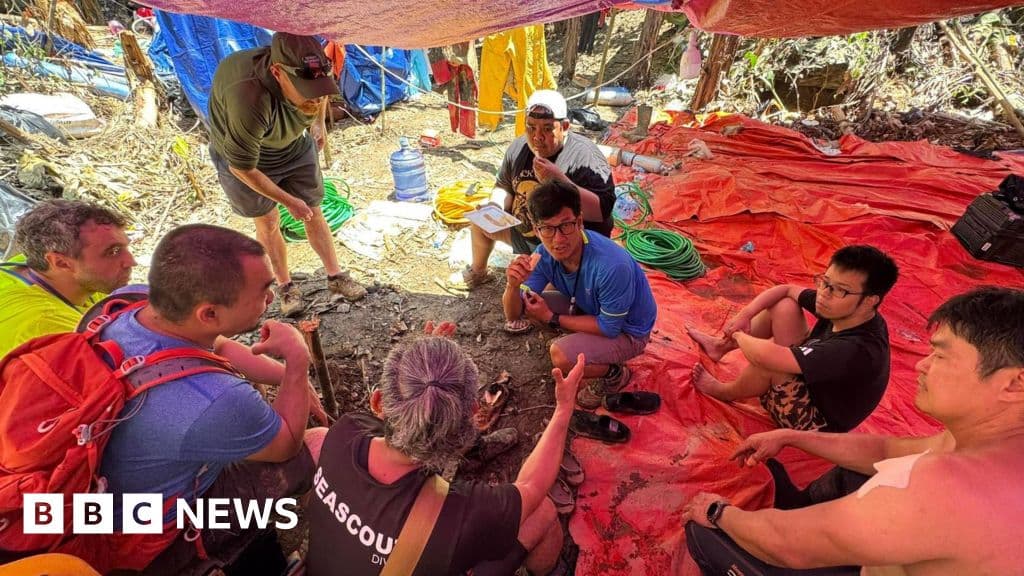
Survivors of the Laos cave rescue are aiding efforts to find the last two missing men trapped inside, sharing crucial insights for the search operation.
BBC World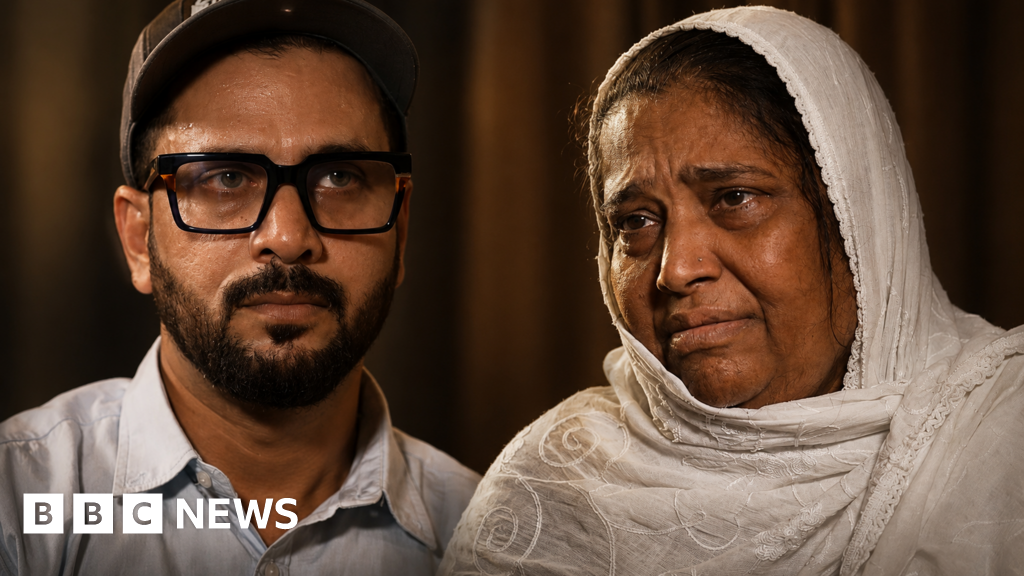
A year after the tragic Air India crash, the Ali family reflects on grief, unanswered questions, and the enduring bonds of love in the face of loss.
BBC Business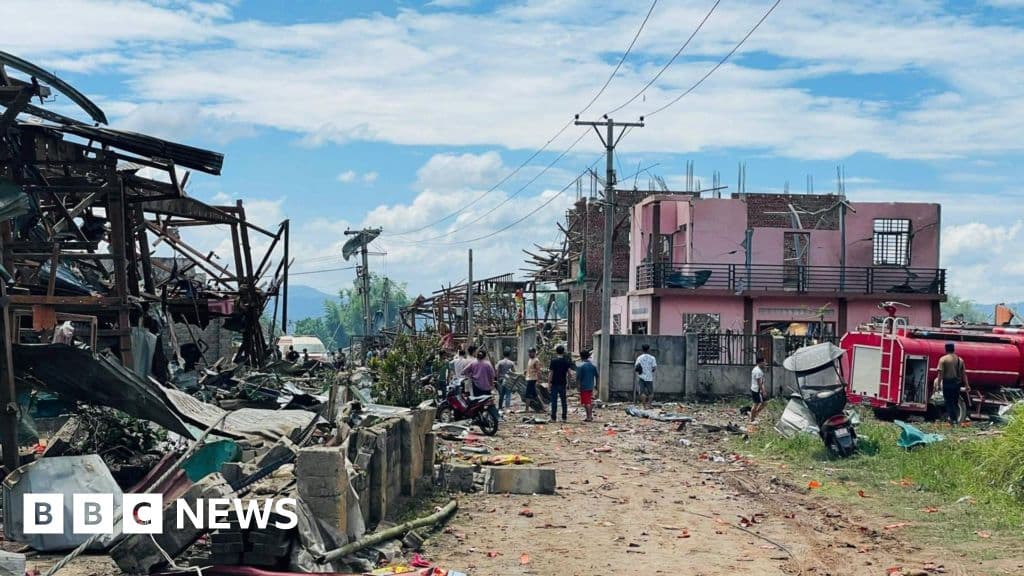
A devastating explosion in Myanmar's Kaung Tat village has killed at least 55 people, raising serious safety concerns and questions about civilian protection in conflict zones.
BBC World