
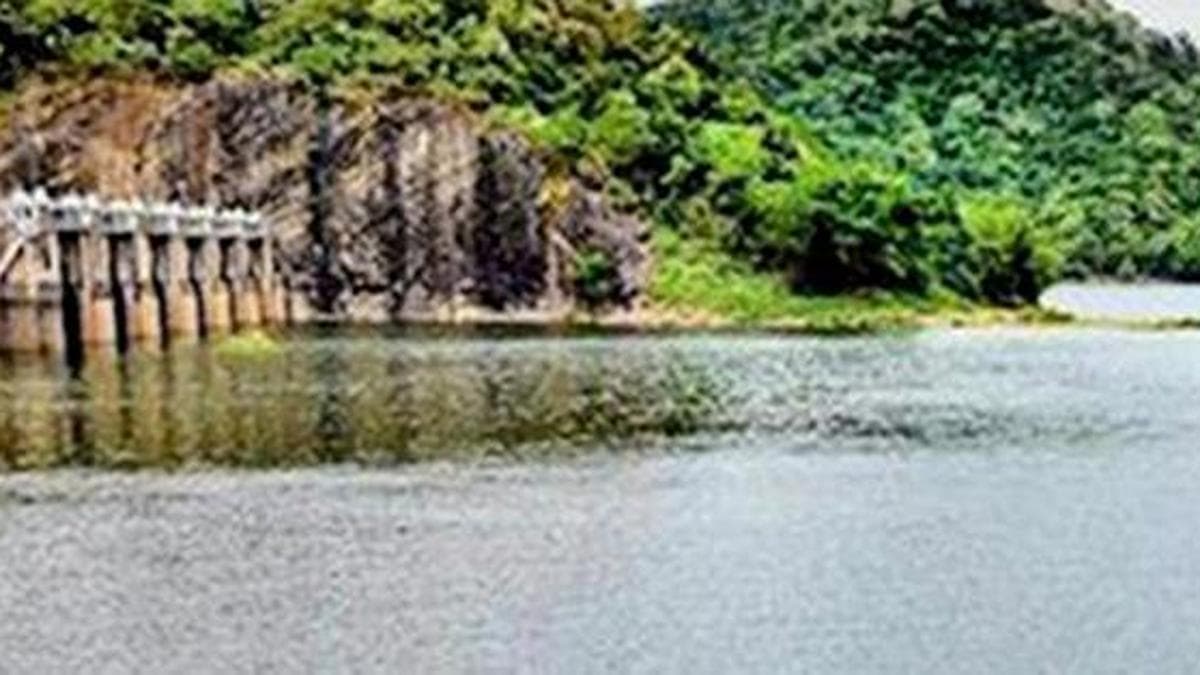
Image: The Hindu
Papanasam Dam water level stands at 66.50 feet, raising concerns about water supply. Stay informed on local water management and implications.
GlipzoAs of March 22, 2026, the water level in the Papanasam Dam, located in Tirunelveli District, has been measured at 66.50 feet. This significant data point is particularly relevant for local residents and those dependent on the dam's water supply. The maximum operational capacity of the Papanasam Dam is 143 feet, indicating that current levels are still well below the threshold, which raises concerns about water availability in the region.
In addition to Papanasam, the Manimuthar Dam also reported its water level, standing at 83.10 feet, with a maximum level of 118 feet. The inflow rates for both dams have been recorded, with Papanasam experiencing an inflow of 106.56 cusecs and a discharge of 300 cusecs. Conversely, the Manimuthar Dam has an inflow of 162.22 cusecs and a discharge of 239 cusecs.
The water levels in these dams are crucial for various reasons, including agricultural irrigation, drinking water supply, and hydroelectric power generation. Dams are vital for managing water resources, especially in areas prone to drought or inconsistent rainfall.
Residents and local officials closely monitor these levels to ensure adequate water supply during dry spells. The Papanasam Dam, in particular, plays a crucial role in supporting both agricultural and domestic water needs in the region.
The current water levels at Papanasam and Manimuthar dams are a reflection of broader environmental conditions, including rainfall patterns and seasonal changes. Understanding these metrics helps local authorities prepare for potential water shortages, which can impact agricultural productivity and overall community well-being.
During the dry seasons, lower water levels can lead to restrictions on water usage, affecting farming activities and possibly leading to economic challenges for farmers reliant on irrigation. Moreover, ensuring that water levels remain stable is critical for maintaining the ecological balance in the surrounding areas.
As the situation develops, it will be essential to keep an eye on the inflow and discharge rates of both dams. Weather forecasts will also play a significant role in predicting future water levels. Local authorities may implement measures to conserve water if levels do not rise, particularly during critical agricultural periods.
In addition to monitoring water levels, community engagement is vital. Local residents should stay informed about water usage guidelines and conservation practices to help manage the available resources effectively.
In conclusion, the water levels in Papanasam and Manimuthar Dams are a clear indicator of the region's water availability. As the rainy season approaches, the hope is that inflow rates will increase, allowing these critical water sources to replenish and support the community's needs effectively.
Stay tuned for further updates on water levels and their implications for the local population as the situation evolves.

Survivors of the Laos cave rescue are aiding efforts to find the last two missing men trapped inside, sharing crucial insights for the search operation.
BBC World
A year after the tragic Air India crash, the Ali family reflects on grief, unanswered questions, and the enduring bonds of love in the face of loss.
BBC Business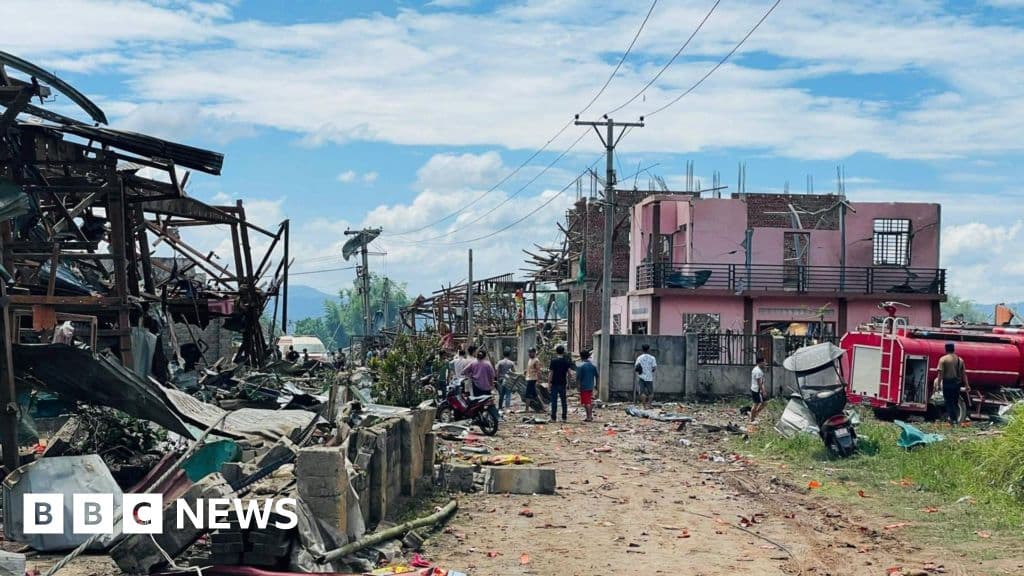
A devastating explosion in Myanmar's Kaung Tat village has killed at least 55 people, raising serious safety concerns and questions about civilian protection in conflict zones.
BBC World