
Image: Indian Express
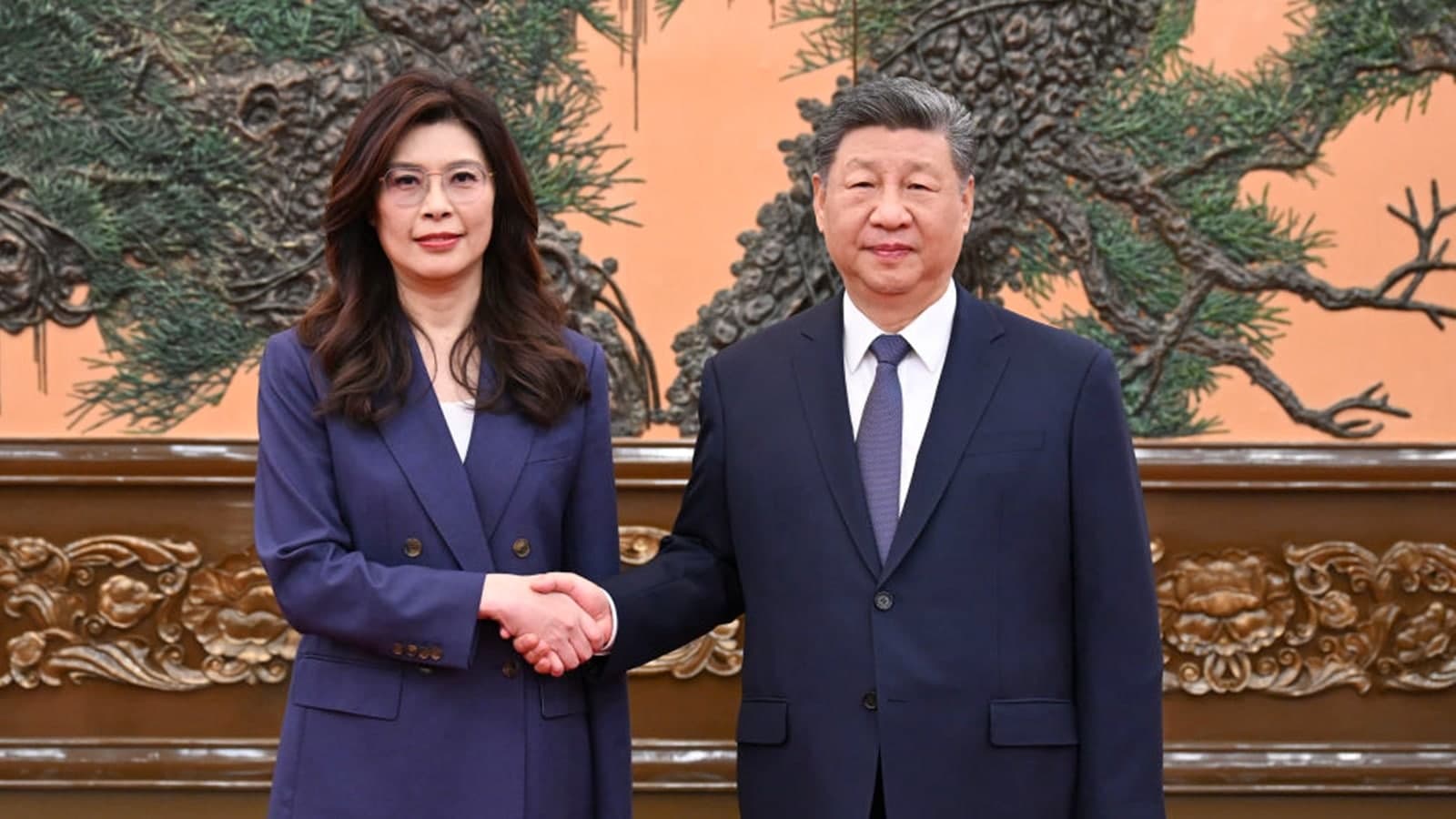
Cheng Li-wun's meeting with Xi Jinping could reshape Taiwan's political landscape ahead of the 2028 elections. What are the implications for Taiwan's future?
GlipzoThe recent meeting between Cheng Li-wun, chairwoman of Taiwan's main opposition party, the Kuomintang (KMT), and Chinese President Xi Jinping has raised eyebrows and sparked discussions about the future of Taiwan and its relationship with China. This meeting, which took place earlier this month, is far from a routine political engagement. Its implications could be profound, particularly as the 2028 presidential election approaches in Taiwan.
Historically, the KMT and the Communist Party of China (CPC) have had a complicated relationship, but this encounter signifies a shift in approach on both sides. Xi Jinping’s invitation to Cheng comes at a time when many in China are beginning to acknowledge that their aggressive stance towards Taiwan may have only strengthened the resolve of the Democratic Progressive Party (DPP), allowing them to maintain power for the last decade. This realization is pivotal, as it highlights the changing dynamics in cross-strait relations.
One of the key objectives of Xi's invitation was to reinforce the historical and cultural ties that exist between the people of Taiwan and China. By doing so, Xi aimed to project a message of unity and reconciliation, suggesting that a peaceful resolution to the Taiwan issue could be attainable, particularly if the KMT were to regain power in the next election. This is particularly crucial as tensions over Taiwan's status have escalated in recent years, with many Taiwanese citizens feeling increasingly assertive about their self-governance.
Cheng Li-wun’s visit to Beijing is not merely a diplomatic gesture; it also serves as a calculated political maneuver within Taiwan itself. The KMT has been vocal in its opposition to the DPP’s $40 billion defense budget, arguing that such a hefty allocation may not be necessary if diplomatic channels remain open. This visit aims to sow doubt among voters regarding the DPP’s approach and could potentially sway public opinion in favor of the KMT ahead of future elections.
The backdrop of these developments is significant. With the U.S. being a crucial ally for Taiwan's security, Cheng's dialogue with Xi may also serve to highlight the limitations of American influence in the region. The meeting could be perceived by some as an effort by Beijing to assert its stance and regain a foothold in Taiwanese politics, especially during a time when the U.S. is grappling with its own geopolitical challenges.
Despite the apparent goodwill expressed during the meeting, there remains significant skepticism about China's true intentions. Many experts have pointed out that while Cheng’s visit was framed as a step towards peace, it could also be interpreted as a strategy to create confusion regarding Taiwan’s status. Within the KMT, there are factions that worry this meeting could be exploited by rival parties to depict Cheng as aligning too closely with Chinese interests, potentially alienating voters who prioritize Taiwan's sovereignty.
Furthermore, the DPP has expressed concern over the implications of Cheng's statements, which could inadvertently portray the U.S. as a risk factor rather than a stabilizing force against Chinese aggression. This situation underscores a critical division within Taiwanese politics, emphasizing the lack of consensus on national security and foreign policy issues.
As Taiwan approaches its 2028 presidential elections, the ramifications of this diplomatic encounter will continue to unfold. The meeting between Cheng Li-wun and Xi Jinping has the potential to reshape the political landscape, making it essential for voters to consider the implications of choosing between the KMT and the DPP.
The question remains: will the KMT's outreach to China resonate with the Taiwanese populace, or will it reinforce the DPP’s narrative of self-determination and resistance against external pressures?
Looking forward, observers should watch for: - Reactions from the Taiwanese electorate as the implications of this meeting become clearer. - The DPP’s counter-strategies in light of increased KMT engagement with China. - The U.S. response to the evolving dynamics and its potential impact on Taiwan’s defense posture.
In conclusion, while the meeting between Cheng Li-wun and Xi Jinping has opened new avenues for dialogue, it also highlights the complexities and challenges that lie ahead in Taiwan’s pursuit of stability and security. The coming months are pivotal as Taiwan navigates its path between assertive diplomacy and the enduring quest for sovereignty.

Tensions soar as the US and Iran engage in air strikes near the Strait of Hormuz, raising concerns over global oil supply and regional stability.
BBC World
Trump's international interventions face serious stalemates. What will this mean for U.S. foreign policy? Explore the critical challenges ahead.
Indian Express
Tehran denies resignation of President Masoud Pezeshkian amid claims of IRGC influence. What does this mean for Iran's political stability? Click to learn more!
Indian Express