
Image: BBC World
Tensions escalate in the Strait of Hormuz as the ceasefire fades, raising fears of renewed conflict between the U.S. and Iran. What’s next?
GlipzoThe fragile ceasefire in the Gulf region has reached its one-month mark, but the situation is increasingly precarious. As the United States and Iran continue to exert pressure on one another, the prospect of renewed hostilities looms larger than ever. This moment is critical, as the potential for miscommunication and misinterpretation could lead to a rapid escalation into an all-out conflict.
In a bid for diplomacy, representatives from both nations convened in Islamabad, the capital of Pakistan. Unfortunately, the discussions yielded no tangible results, further complicating an already tense atmosphere. The Pakistani government has made efforts to mediate the situation, but so far, their attempts have not gained significant traction. Both the U.S. and Iran are eager to strike a deal; however, stark differences in their expectations are stalling progress.
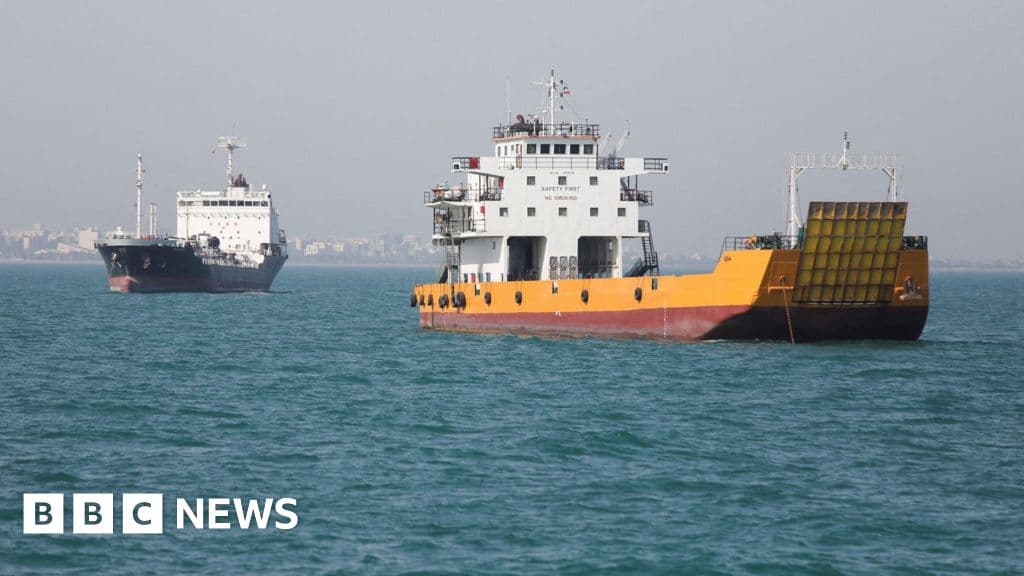
At the heart of this escalating crisis is the Strait of Hormuz, a vital maritime corridor through which an estimated 20% of the world's oil passes. The strait was previously open for navigation without restriction until February 28, when military actions by the U.S. and Israel against Iran marked a turning point. Iran has since indicated a willingness to use control over this critical waterway as both a weapon and a tool for revenue generation.
Abbas Araghchi, Iran's Foreign Minister, recently addressed parliament, emphasizing that the nation has no intention of reverting to the previous status quo. This statement underscores Iran's resolve to maintain a strategic advantage in this ongoing confrontation. The U.S. government cannot afford to let Iran assert dominance over the Strait of Hormuz, as doing so would signify a tactical victory for Tehran but a strategic defeat for Washington.
The implications of a closed Strait of Hormuz extend far beyond the immediate region. If Iran were to shut down this critical passage, the consequences would reverberate throughout the global economy. The length of any closure could significantly impact oil prices, leading to shortages of not just fuel but also essential materials like helium for high-tech applications and fertilizer for agriculture. Such shortages could trigger food insecurity in vulnerable regions, exacerbating humanitarian crises.
President Donald Trump has attempted to navigate this complex landscape with mixed results. His administration has utilized social media to influence oil traders and mitigate price increases for American consumers, but the ongoing conflict with Iran continues to complicate matters. The resilience of the Iranian regime, which has shown a willingness to suppress dissent violently, poses a significant challenge. For a government that prioritizes its grip on power over the well-being of its citizens, there seems to be little incentive to back down.
The United States has demonstrated its military capabilities, yet Trump's unpredictable decision-making has left the country in a difficult strategic position. The recent order for the U.S. Navy to escort vessels through the Strait does not equate to a restoration of safe passage. Previously, 40 to 60 ships would navigate the strait daily, but the current military tensions have severely disrupted this flow.
Iran's readiness to escalate military actions poses a significant risk. The nation appears determined to dictate the pace of any future conflict, a strategy fraught with peril. The new leadership in Iran, following the removal of several high-ranking officials, seems willing to take risks to assert their position on the global stage.
Amid these rising tensions, the United Arab Emirates (UAE) has emerged as a focal point for Iran's ire among Gulf Arab states. In response to the escalating threats, the UAE has strengthened its alliances with both the U.S. and Israel, aiming to bolster its security posture. This alliance-building is critical as both nations look to counteract Iranian influence and protect their interests in the region.
Looking ahead, the path to de-escalation appears fraught with challenges. The likelihood of missteps or miscalculations remains high, and the potential for conflict is ever-present. As both sides continue to dig in their heels, the international community must closely monitor developments to avoid a situation that could spiral out of control.
Understanding the dynamics at play in the Gulf region is crucial, not just for the nations involved but for global stability. As tensions rise, the implications for global energy supplies and economic health cannot be overstated. The geopolitical landscape is at a tipping point, and the actions taken in the coming weeks could redefine relationships and power structures in the Middle East for years to come.
In conclusion, the situation in the Strait of Hormuz is one to watch closely. As both the U.S. and Iran navigate this dangerous moment, the world holds its breath, aware that a single miscalculation could lead to devastating consequences.

Tensions soar as the US and Iran engage in air strikes near the Strait of Hormuz, raising concerns over global oil supply and regional stability.
BBC World
Trump's international interventions face serious stalemates. What will this mean for U.S. foreign policy? Explore the critical challenges ahead.
Indian Express
Tehran denies resignation of President Masoud Pezeshkian amid claims of IRGC influence. What does this mean for Iran's political stability? Click to learn more!
Indian Express