Glipzo
WorldTechnologyBusinessSportsEntertainmentScienceHealthPolitics
Glipzo
WorldTechnologyBusinessSportsEntertainmentScienceHealthPolitics
  1. Home
  2. /
  3. World
  4. /
  5. Critical Shift: Nearly 100 Ships Navigate Hormuz Strait Amid Conflict
Critical Shift: Nearly 100 Ships Navigate Hormuz Strait Amid Conflict

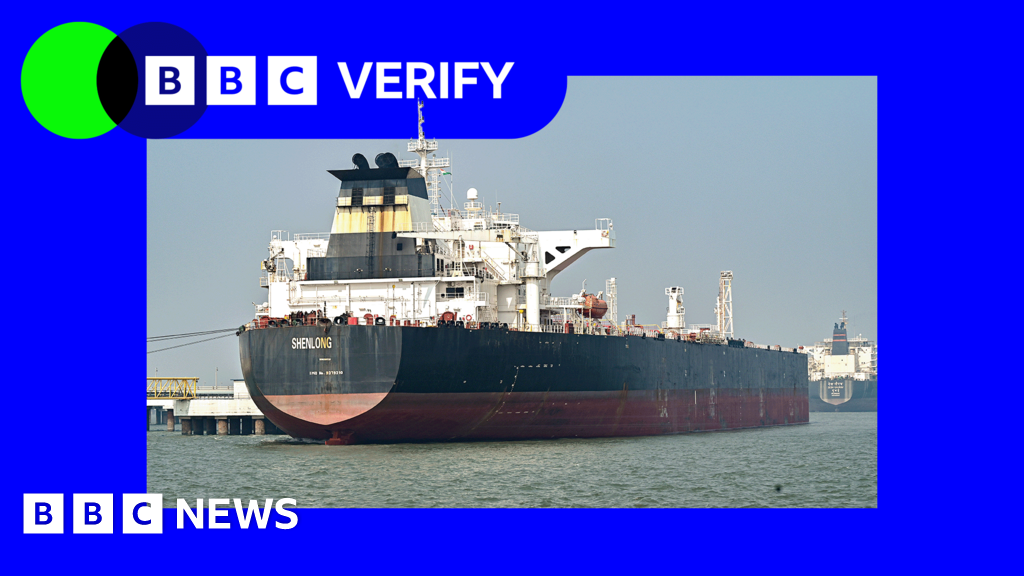
Image: BBC World

World
Friday, March 20, 20264 min read

Critical Shift: Nearly 100 Ships Navigate Hormuz Strait Amid Conflict

Nearly 100 vessels have traversed the Strait of Hormuz since March, despite Iranian attacks. What does this mean for global trade? Dive in for insights.

Glipzo News Desk|Source: BBC World
Share
Glipzo

Key Highlights

  • Traffic through the Strait of Hormuz has dropped by 95%.
  • One-third of recent ships have ties to Iran, including flagged vessels.
  • Recent attacks highlight the dangers of navigating this critical route.
  • Shippers are now rerouting to avoid Iranian territorial waters.
  • The conflict poses severe challenges for global maritime trade.

In this article

  • Introduction: Navigating Danger in the Strait of Hormuz The **Strait of Hormuz**, a vital artery for global trade, has seen nearly **100 ships** traverse its waters since early March, despite escalating tensions and attacks from **Iranian forces**. This vital waterway, which facilitates the movement of **20% of the world's oil supply**, is currently experiencing a dramatic decline in traffic, down approximately **95%** since the onset of conflict on **February 28**. This article delves into who is navigating these perilous waters and the implications of their journeys.
  • Traffic Drop: A Shipping Crisis According to analyses from **BBC Verify** and shipping experts, the average daily traffic through the Strait has plummeted to just **5-6 vessels**, a stark contrast to the pre-war average of **138 ships per day**. The **Joint Maritime Information Centre** reports that the strait is one of the most congested shipping lanes globally, with the current situation severely impacting the movement of energy resources and everyday goods.
  • Who Is Crossing? The Players in the Strait Interestingly, the analysis highlights the diverse ownership of vessels navigating the strait. Notably: - **Nine ships** are owned by companies linked to **China**. - **Six vessels** have India listed as their destination. - Non-Iranian ships, including those owned by **Greek companies**, have also docked at Iranian ports.
  • Risks and Maneuvers: Navigating a War Zone On **March 15**, a **Pakistan-flagged oil tanker** took an unusual route close to the Iranian coast, suggesting it may have been responding to directives from Iranian officials. **Bradley Martin**, a senior researcher at the **RAND Corporation**, noted that this maneuver could be indicative of a range of threats, including mines or an effort by Iranian authorities to control maritime traffic.
  • Attacks and Casualties: A Grim Reality The ongoing conflict has had dire consequences for commercial shipping, with **20 commercial vessels** reportedly attacked off the Iranian coast since hostilities began. One notable incident occurred on **March 11**, when the **Thai-flagged bulk carrier Mayuree Naree** was struck by projectiles while navigating the strait. Tragically, **three crew members** remain missing, believed to be trapped in the engine room.
  • The Broader Implications for Global Trade With threats ranging from drones to fast attack boats, the situation in the Strait of Hormuz poses a significant challenge for maritime operations. **Arun Dawson** from the **King's College Freeman Air and Space Institute** pointed out that traditional minesweeping efforts are complicated by the presence of ongoing attacks.
  • Conclusion: What Lies Ahead for Maritime Traffic? The current state of the Strait of Hormuz serves as a stark reminder of the vulnerabilities within global trade networks. As the conflict continues, it is essential to monitor how shipping patterns evolve and which countries are willing to navigate these treacherous waters.

Introduction: Navigating Danger in the Strait of Hormuz The **Strait of Hormuz**, a vital artery for global trade, has seen nearly **100 ships** traverse its waters since early March, despite escalating tensions and attacks from **Iranian forces**. This vital waterway, which facilitates the movement of **20% of the world's oil supply**, is currently experiencing a dramatic decline in traffic, down approximately **95%** since the onset of conflict on **February 28**. This article delves into who is navigating these perilous waters and the implications of their journeys.

Traffic Drop: A Shipping Crisis According to analyses from **BBC Verify** and shipping experts, the average daily traffic through the Strait has plummeted to just **5-6 vessels**, a stark contrast to the pre-war average of **138 ships per day**. The **Joint Maritime Information Centre** reports that the strait is one of the most congested shipping lanes globally, with the current situation severely impacting the movement of energy resources and everyday goods.

The latest data from shipping analysts Kpler reveals that 99 vessels have managed to pass through the strait in March. Alarmingly, about one-third of these ships have ties to Iran, including 14 vessels flying the Iranian flag and others under sanctions due to connections with Tehran's oil trade.

Who Is Crossing? The Players in the Strait Interestingly, the analysis highlights the diverse ownership of vessels navigating the strait. Notably: - **Nine ships** are owned by companies linked to **China**. - **Six vessels** have India listed as their destination. - Non-Iranian ships, including those owned by **Greek companies**, have also docked at Iranian ports.

This mix of vessels raises critical questions about the risks and motivations behind their journeys through such a dangerous area. Some ships have reportedly adjusted their routes, opting for longer passages that hug the Iranian coastline to avoid potential threats.

Risks and Maneuvers: Navigating a War Zone On **March 15**, a **Pakistan-flagged oil tanker** took an unusual route close to the Iranian coast, suggesting it may have been responding to directives from Iranian officials. **Bradley Martin**, a senior researcher at the **RAND Corporation**, noted that this maneuver could be indicative of a range of threats, including mines or an effort by Iranian authorities to control maritime traffic.

Michelle Wiese Bockmann from Windward Maritime Analytics echoed this sentiment, stating, "Iran is closing and controlling the strait by the fear of attack and also the fear of mining." She emphasized that the fear of confrontation is forcing vessels to reroute into Iranian territorial waters.

Attacks and Casualties: A Grim Reality The ongoing conflict has had dire consequences for commercial shipping, with **20 commercial vessels** reportedly attacked off the Iranian coast since hostilities began. One notable incident occurred on **March 11**, when the **Thai-flagged bulk carrier Mayuree Naree** was struck by projectiles while navigating the strait. Tragically, **three crew members** remain missing, believed to be trapped in the engine room.

The owners of the Mayuree Naree described the surviving crew as "traumatized at sea" following the explosions. On the same day, two additional vessels, the Greek-owned Star Gwyneth and the US-owned MT Safesea Vishnu, also fell victim to attacks, with one crew member losing their life. The owner of MT Safesea Vishnu stated, "Commercial shipping lanes cannot become battle zones," underscoring the perilous conditions faced by those in the region.

The Broader Implications for Global Trade With threats ranging from drones to fast attack boats, the situation in the Strait of Hormuz poses a significant challenge for maritime operations. **Arun Dawson** from the **King's College Freeman Air and Space Institute** pointed out that traditional minesweeping efforts are complicated by the presence of ongoing attacks.

"A traditional minesweeper conducting slow, painstaking work is going to find it tricky to hunt for mines and deactivate them if they are also under air and surface attack," Dawson explained. This highlights the precarious balance between securing maritime routes and ensuring the safety of vessels.

Conclusion: What Lies Ahead for Maritime Traffic? The current state of the Strait of Hormuz serves as a stark reminder of the vulnerabilities within global trade networks. As the conflict continues, it is essential to monitor how shipping patterns evolve and which countries are willing to navigate these treacherous waters.

What to Watch For: - The potential for further attacks on commercial vessels and their implications for international shipping. - Responses from global powers regarding maritime security in the region. - Changes in shipping routes and strategies as companies adapt to the risks in the Strait of Hormuz.

As the situation develops, it remains crucial for stakeholders in global trade to stay informed and prepared for shifts in this critical maritime corridor.

Did you find this article useful? Share it!

Share

Related Articles

Thousands Evacuated in Paris as WWII Bomb Detonated Safely
World
Apr 20, 2026

Thousands Evacuated in Paris as WWII Bomb Detonated Safely

Thousands were evacuated in Colombes, Paris, as authorities safely detonated a WWII bomb. Learn about the operation and its implications.

BBC World
Tragic Shooting Claims Lives of Eight Children in Louisiana
World
Apr 20, 2026

Tragic Shooting Claims Lives of Eight Children in Louisiana

Tragedy strikes Shreveport as eight children are killed in a shooting. Understand the implications and community response to this heartbreaking event.

BBC World
Shocking Twist: Pan Parlour Owner's Abduction Unveils Dark Conspiracy
World
Apr 19, 2026

Shocking Twist: Pan Parlour Owner's Abduction Unveils Dark Conspiracy

Discover the shocking conspiracy behind a Vadodara pan parlour owner's kidnapping, involving his wife and a former lover. What led to this sinister plot?

Indian Express

Categories

  • World
  • Technology
  • Business
  • Sports

More

  • Entertainment
  • Science
  • Health
  • Politics

Explore

  • Web Stories
  • About Us
  • Contact

Legal

  • Privacy Policy
  • Terms of Service

© 2026 Glipzo. All rights reserved.