
Image: Mint (Business)
Discover PM Modi's new initiative to tackle the West Asia conflict and its implications for India's citizens and economy. What does this mean for the future?
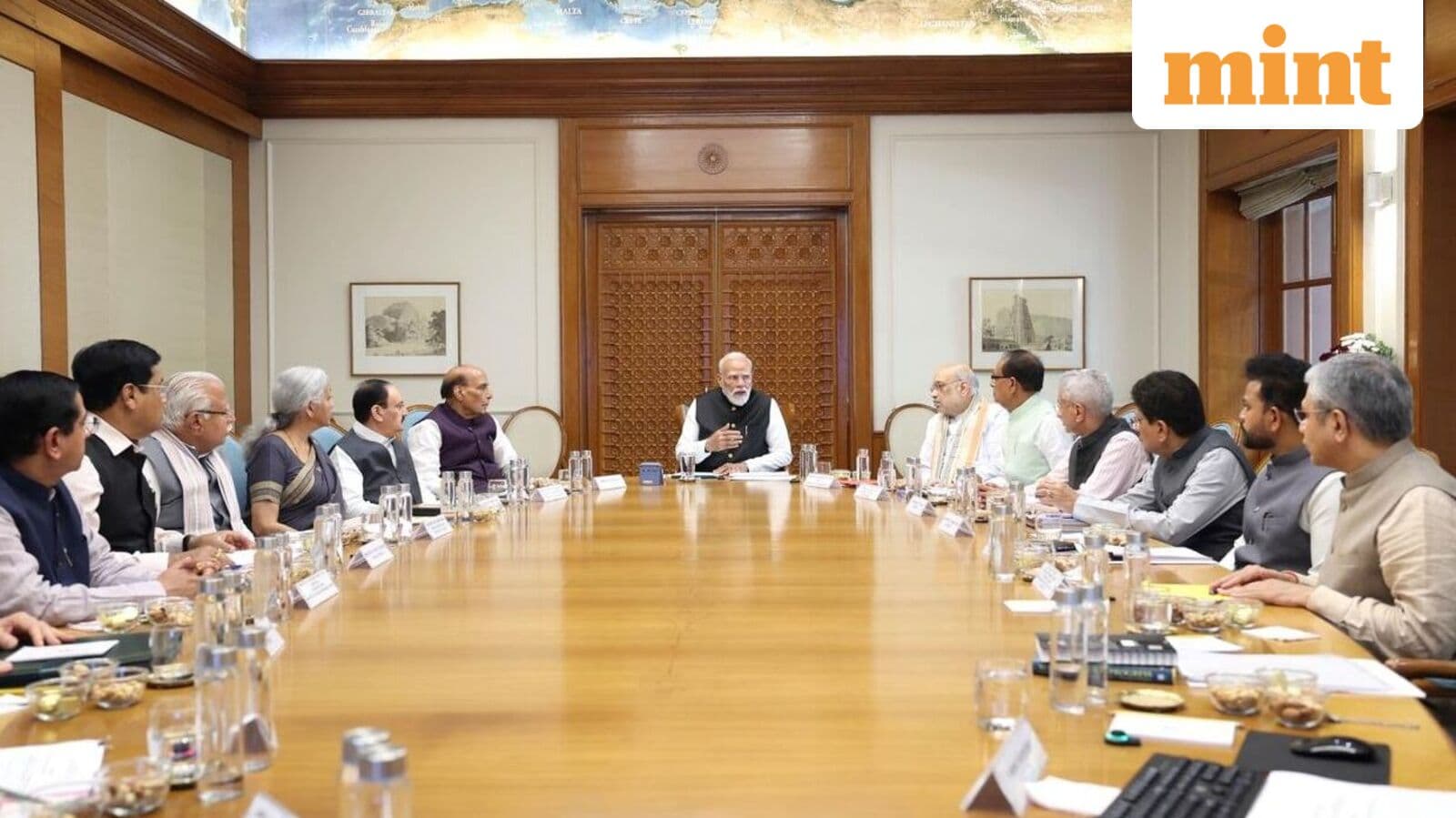
GlipzoIn a decisive move, Prime Minister Narendra Modi convened a high-level meeting of the Cabinet Committee on Security (CCS) on Sunday to address the escalating situation in West Asia. Recognizing the far-reaching implications of this conflict, PM Modi has mandated the establishment of a dedicated group of ministers and secretaries to tackle the challenges arising from this geopolitical crisis.
This initiative underscores the Indian government’s resolve to safeguard its citizens and minimize the impact of global turmoil on the nation. During the meeting, the Prime Minister emphasized that the conflict is an evolving situation affecting the entire world, stating, "All efforts must be made to safeguard the citizens from the impact of this conflict."
The newly formed group will not only focus on immediate responses but will also be responsible for long-term strategic planning. PM Modi instructed that these ministers and secretaries work in close collaboration with various stakeholders, ensuring a comprehensive approach to crisis management.
Key participants in this crucial meeting included notable Union ministers such as: - Rajnath Singh (Defence) - Amit Shah (Home) - S Jaishankar (External Affairs) - Nirmala Sitharaman (Finance) - Shivraj Singh Chouhan (Agriculture) - Piyush Goyal (Commerce and Industry)
Additionally, Ajit Doval, the National Security Advisor, and principal secretaries to the Prime Minister were present to provide insights and strategic direction.
During the CCS meeting, a detailed presentation by the Cabinet Secretary outlined the current global situation, including a thorough assessment of its effects on the Indian economy. The ministers discussed various scenarios regarding the short, medium, and long-term impacts that the West Asia conflict could have on India’s economic stability and security.
The discussions highlighted critical areas of concern such as: - Food Security: Ensuring continued availability of essential food items. - Energy Security: Maintaining adequate stocks of coal and exploring alternate sources for fuel. - Economic Diversification: Strategies to diversify import sources for essential chemicals and pharmaceuticals.
To mitigate potential disruptions, the government is actively exploring alternative sources for fertilizers and other critical commodities. The focus is on ensuring that there are no shortages in essential goods, which could exacerbate the challenges citizens face during this crisis.
Furthermore, the government is looking into the diversification of export markets to bolster the economy and promote Indian goods abroad. This proactive approach aims to buffer the domestic market against global fluctuations and secure the livelihoods of citizens impacted by rising prices and supply chain disruptions.
The establishment of a dedicated group to manage the West Asia conflict is a significant step for India as the nation seeks to navigate through uncertain waters. The government's comprehensive strategy aims not only to protect its citizens but also to maintain economic stability in an increasingly volatile global landscape.
The focus on coordination between various government departments and state governments is crucial in ensuring that no illegal activities, such as black-marketing and hoarding, occur during this period of uncertainty. The Prime Minister’s directive reflects a commitment to transparency and accountability, vital for maintaining public trust.
As the situation in West Asia continues to evolve, stakeholders and citizens alike will be watching closely to see how the government's strategies unfold. It remains essential for the newly formed group to keep the public informed about any developments and measures taken to ensure their safety and economic security.
The Indian government’s response will likely set a precedent for how the nation handles future geopolitical conflicts. Enhanced diplomatic engagement with affected nations, coupled with a strong domestic response, will be critical as India positions itself on the global stage in the wake of this crisis.
In conclusion, PM Modi's proactive measures to address the West Asia conflict emphasize a holistic approach to governance, balancing immediate needs with long-term strategies for sustainability and resilience.

Tensions soar as the US and Iran engage in air strikes near the Strait of Hormuz, raising concerns over global oil supply and regional stability.
BBC World
Trump's international interventions face serious stalemates. What will this mean for U.S. foreign policy? Explore the critical challenges ahead.
Indian Express
Tehran denies resignation of President Masoud Pezeshkian amid claims of IRGC influence. What does this mean for Iran's political stability? Click to learn more!
Indian Express