

Image: Times of India
Major elections are set for Kerala, Assam, Puducherry, and Tamil Nadu. Discover the implications and what voters care about ahead of the polls.
GlipzoIndia is gearing up for a pivotal electoral phase, with crucial voting scheduled in several states. On April 9, Kerala, Assam, and Puducherry will cast their votes, followed by Tamil Nadu on April 23. Additionally, West Bengal will conduct its elections in two phases, underscoring the significance of this year's political climate. The election results are set to be declared on May 4, marking an essential moment in the Indian democratic process.
This electoral season is particularly noteworthy as it encompasses regions with diverse political landscapes and varying voter priorities. The outcomes in these states could have major implications for national politics, as they reflect local issues, party strategies, and voter sentiments.
In Kerala, the political battle is often seen as a contest between the ruling Left Democratic Front (LDF) and the United Democratic Front (UDF). The state has a history of fluctuating allegiances, making this election critical for both coalitions. Key issues include economic recovery post-COVID-19, social welfare schemes, and educational reforms.
Assam will also be a focal point, especially given the ongoing discussions around immigration and ethnic identity. The Bharatiya Janata Party (BJP), which currently holds power, faces significant challenges from regional parties and the Congress, particularly regarding their handling of the socio-economic conditions in the state.
Puducherry, although smaller in size, is another state where the elections are expected to be fiercely contested. The local governance model and administration effectiveness will be under scrutiny as voters decide the future of their union territory.
On April 23, Tamil Nadu will hold its elections, which are highly anticipated following the demise of former Chief Minister J. Jayalalithaa. The landscape has shifted dramatically since, with the AIADMK and DMK vying for control. This election is pivotal not only for determining the state's leadership but also for its implications on regional politics and alliances.
The state has a rich political history characterized by strong personalities and vibrant party loyalty. Key issues for voters include social justice, economic growth, and infrastructure development, making this election a critical juncture for the future of Tamil Nadu.
The elections in West Bengal are particularly complex, as they will occur in two phases, reflecting the state's vast population and diverse constituencies. The TMC (Trinamool Congress), led by Mamata Banerjee, faces stiff competition from the BJP, which has made significant inroads in the region in recent years.
The political atmosphere in West Bengal is charged with debates around law and order, development policies, and cultural identity. Voter turnout will be crucial, as the state's results could influence the national political landscape significantly.
These elections are not just about local governance; they carry broader implications for national stability and party dynamics. The outcomes can redefine political alliances and set the stage for upcoming national elections. Moreover, they reflect the mood of the electorate on pressing issues such as economic recovery post-pandemic, healthcare, and social justice.
As we approach the polling dates, political parties are ramping up their campaigns, and voter engagement is likely to intensify. Analysts will closely watch the voter turnout rates and the effectiveness of each party's outreach strategies. The results on May 4 will not only reveal the immediate political landscape but could also signal shifts in voter priorities and expectations as the country heads toward the next general elections.
In conclusion, these elections represent a crucial opportunity for the electorate to voice their priorities and influence the trajectory of governance in their respective states. With the stakes high, all eyes will be on the polls as the future of regional and national politics hangs in the balance.
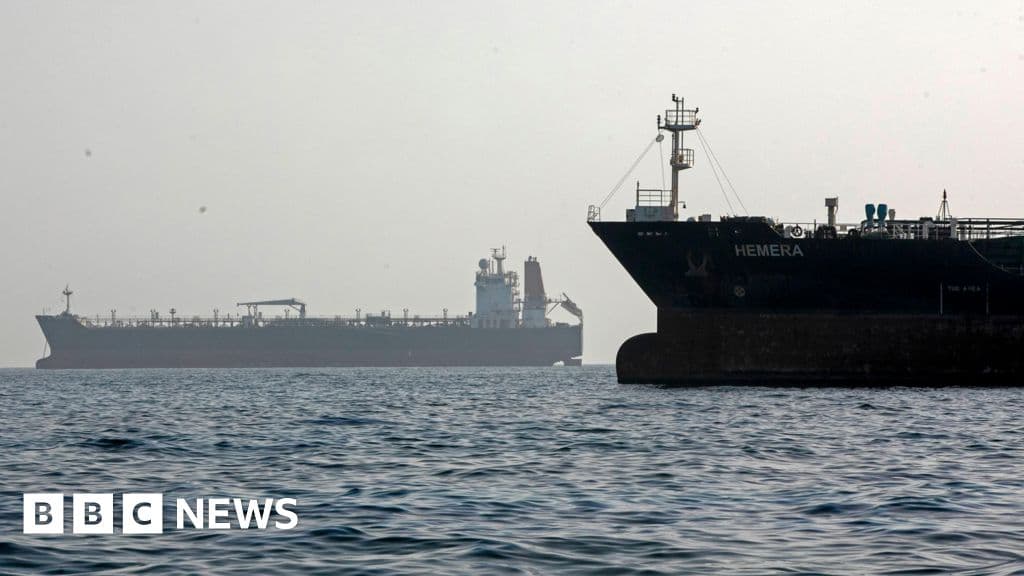
Tensions soar as the US and Iran engage in air strikes near the Strait of Hormuz, raising concerns over global oil supply and regional stability.
BBC World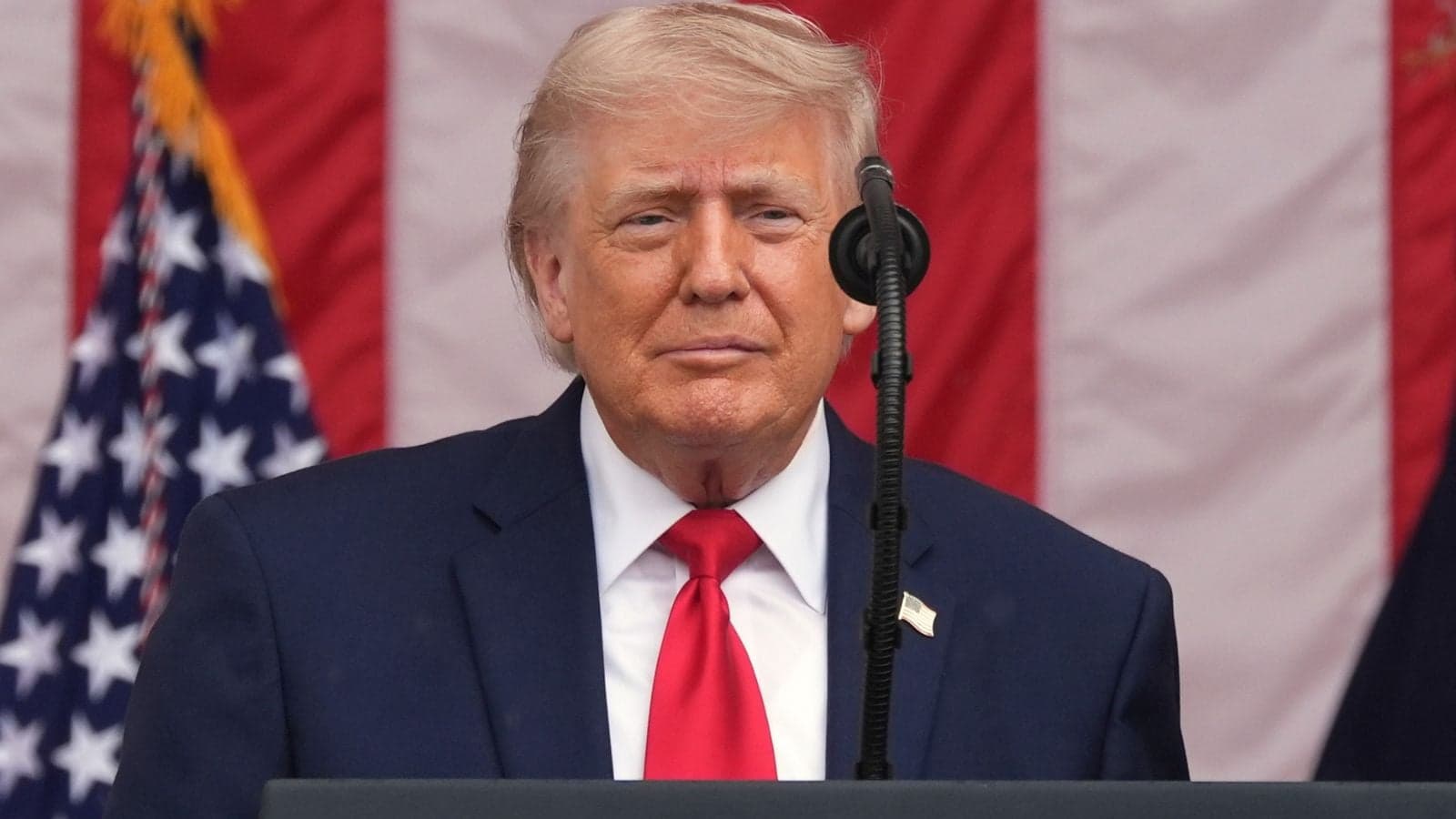
Trump's international interventions face serious stalemates. What will this mean for U.S. foreign policy? Explore the critical challenges ahead.
Indian Express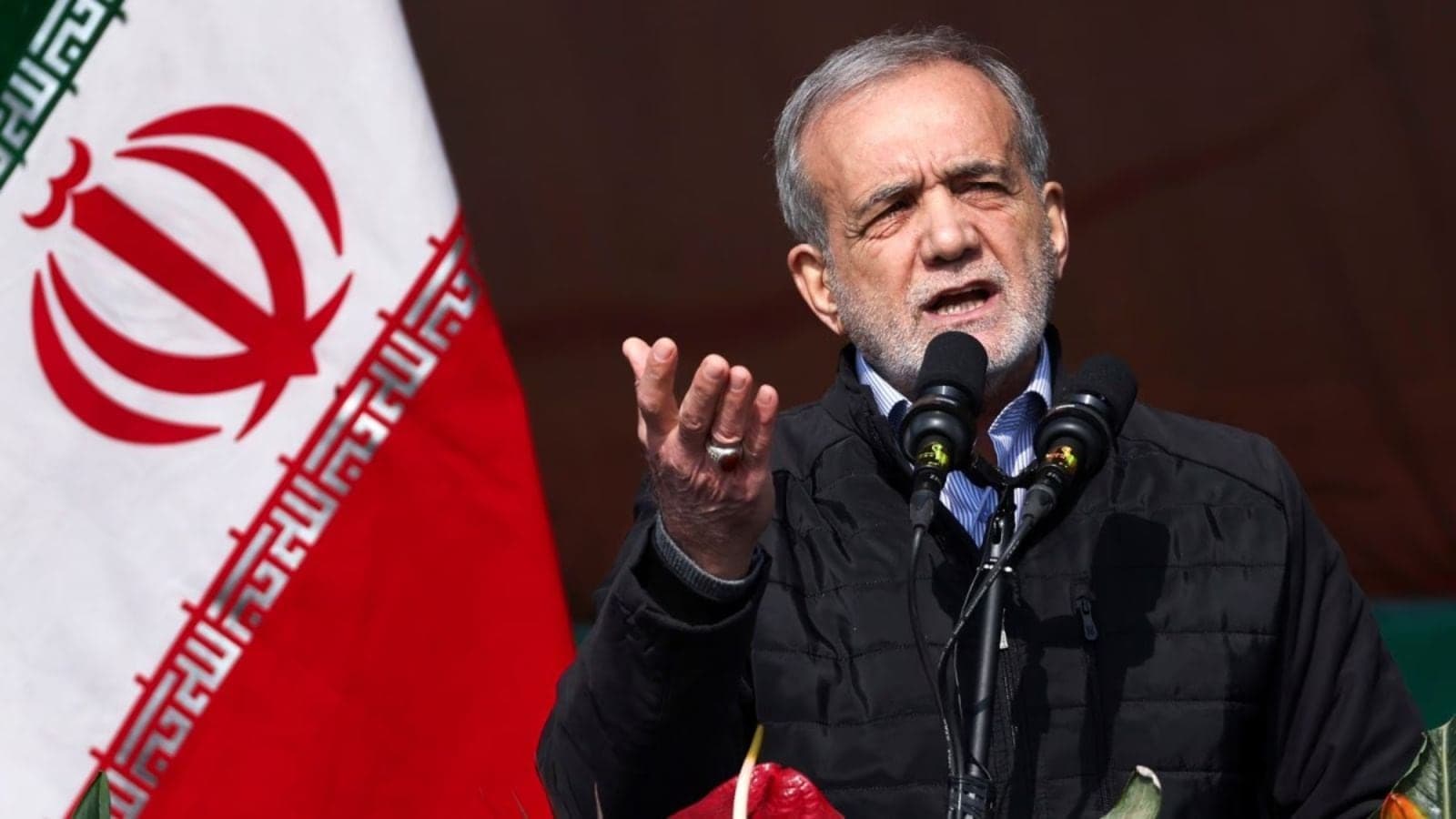
Tehran denies resignation of President Masoud Pezeshkian amid claims of IRGC influence. What does this mean for Iran's political stability? Click to learn more!
Indian Express