
Image: Indian Express
Suvendu Adhikari's government takes swift action in West Bengal, addressing corruption, enhancing security, and promising development. What’s next for Bengal?
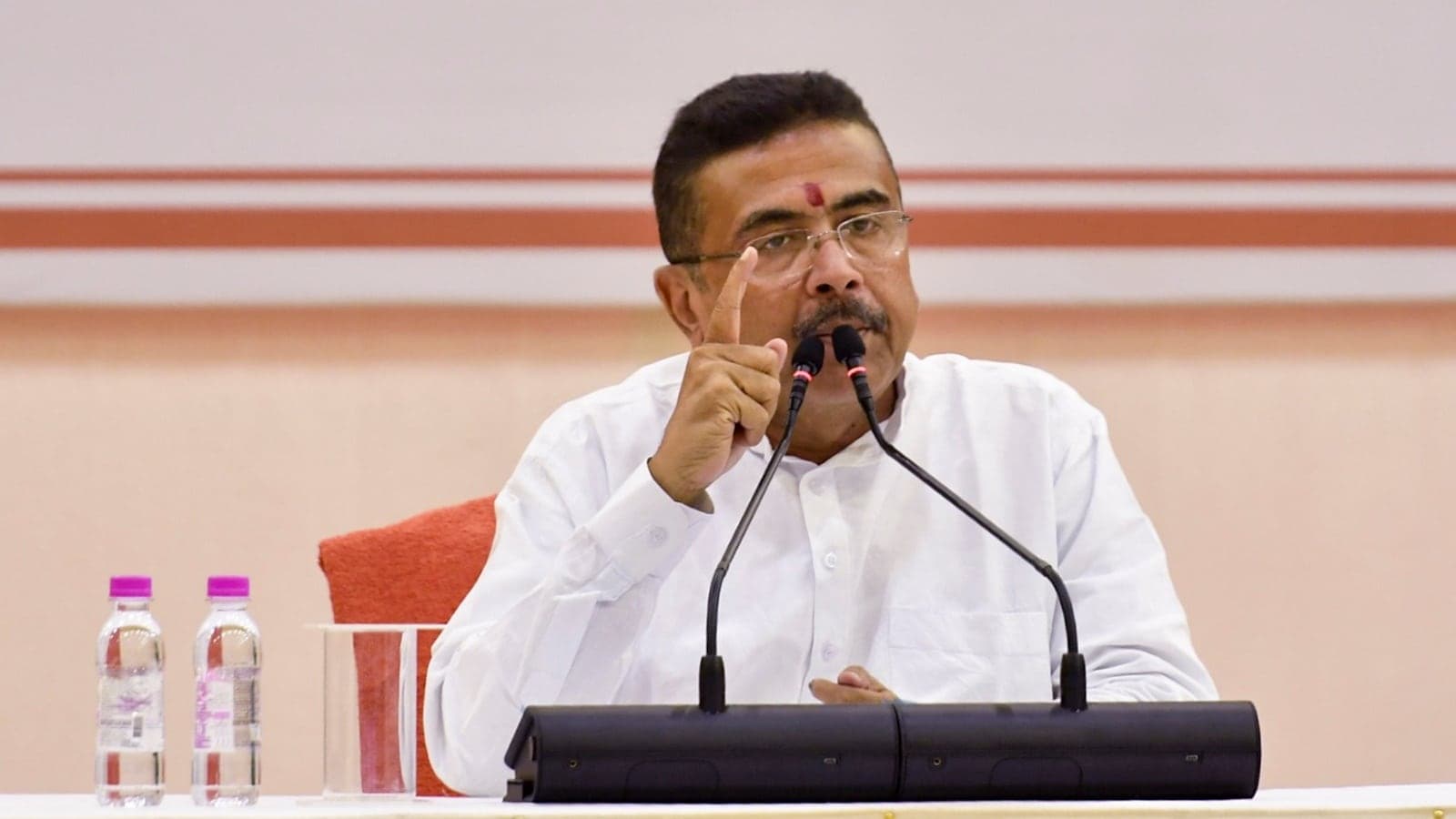
GlipzoIn an unprecedented shift for West Bengal, Suvendu Adhikari was sworn in as the Chief Minister on May 9, 2023, leading the BJP to its first victory in the state. Within mere days of taking office, Adhikari began implementing decisive actions that signal a vigorous approach to governance. Just three days into his tenure, a devastating fire erupted at a leather factory in Kolkata’s Tiljala area, tragically claiming the lives of two workers and injuring five. The very next day, bulldozers were dispatched to demolish the structure, deemed illegal by the new administration.
This rapid response is indicative of a larger strategy aimed at reforming a system many perceive as plagued by corruption and inefficiency. With a clear mandate from voters seeking change, Adhikari's government is making its intentions known. During a press conference at Nabanna, he announced the suspension of three senior IPS officers for their alleged involvement in mishandling a serious rape-murder case, further implying a crackdown on those who previously operated without accountability.
The suspensions of Vineet Goyal, the former Kolkata police commissioner, along with Abhishek Gupta and Indira Mukherjee, underscore a critical pivot in law enforcement. According to Rahul Sinha, a BJP Rajya Sabha MP, these actions are a stark contrast to the previous administration, which he claims shielded corrupt officials. "The people of Bengal have expressed their desire for a government that prioritizes integrity and development," Sinha stated, emphasizing the BJP's commitment to rooting out corruption.
In reaction to the unfolding political landscape, former Chief Minister Mamata Banerjee also made headlines by appearing in the Calcutta High Court on the same day, advocating for TMC members who she asserts are facing violence post-election. Banerjee's call for fact-finding committees to investigate alleged attacks on her party workers reflects her determination to combat the rising tensions.
A senior leader from the TMC expressed concern over the atmosphere of fear that has gripped the party's members, stating, "Many of our workers have left their homes due to attacks and intimidation. Our leader is committed to fighting for justice and will not back down."
The political unrest in West Bengal is palpable, with accusations of violence and intimidation being exchanged between the BJP and TMC camps. As both parties navigate this challenging environment, it is clear that the stakes are high in the battle for public support.
On May 11, the newly formed Cabinet convened and made significant decisions aimed at fulfilling the BJP’s campaign promises. Among the key initiatives was the transfer of land along the Bangladesh border to the Border Security Force (BSF), enabling the completion of essential border fencing within 45 days. This initiative aligns with promises made during the election campaign and reflects a priority on national security and border integrity.
Furthermore, the Cabinet announced that voters removed from electoral rolls through the Election Commission's Special Intensive Revision (SIR) would no longer be eligible for government benefits. This move establishes a new benchmark for evaluating beneficiaries of state and central schemes, aiming to streamline governance and ensure that help reaches those who are legitimately entitled.
To bolster employment prospects for the youth of West Bengal, the Cabinet raised the upper age limit for government job applicants by five years, responding to a key demand from voters. This change is a direct commitment to create more job opportunities and support the educated youth of the state. Additionally, the Suvendu government has taken steps to reintegrate Bengal into several critical central schemes that had been previously stalled, including the Ayushman Bharat health insurance initiative.
Adhikari reiterated the commitment to implement various flagship programs such as Pradhan Mantri Vishwakarma, Beti Bachao Beti Padhao, PM Jan Arogya Yojana, and PM Krishak Bima Yojana in Bengal. These initiatives are designed to enhance development and provide social support across various sectors.
In a move signaling a fresh start, Adhikari appointed Manoj Agarwal, the former state chief electoral officer, as the new chief secretary. Alongside this appointment, Subrata Gupta, who served as a special observer during the SIR exercise, has been given an important role within the administration. These changes aim to reinforce a clean and efficient bureaucracy.
As the Suvendu government embarks on this ambitious agenda, the expectations from the public are immense. The BJP has a unique opportunity to redefine governance in West Bengal, but it is crucial for them to address the underlying issues of violence and political instability. The coming months will be pivotal in determining whether the new administration can maintain momentum and deliver on its promises.
The BJP's approach to governance will be closely scrutinized by both supporters and critics. The actions taken in the early days of Adhikari’s administration may set the tone for the future of West Bengal’s political landscape, as the state navigates the complexities of change amidst a backdrop of heightened tensions. What happens next will be a decisive factor in shaping the region's political destiny.
The developments in West Bengal under Suvendu Adhikari’s leadership are not just critical for the state but could also serve as a litmus test for the BJP’s broader influence in eastern India. The manner in which the government addresses corruption, violence, and societal unrest will significantly impact public perception and the party's political capital moving forward.

Tensions soar as the US and Iran engage in air strikes near the Strait of Hormuz, raising concerns over global oil supply and regional stability.
BBC World
Trump's international interventions face serious stalemates. What will this mean for U.S. foreign policy? Explore the critical challenges ahead.
Indian Express
Tehran denies resignation of President Masoud Pezeshkian amid claims of IRGC influence. What does this mean for Iran's political stability? Click to learn more!
Indian Express