
Image: Indian Express
Tensions rise as Israeli and Lebanese military officials hold pivotal talks in DC while airstrikes escalate in Lebanon, leading to a humanitarian crisis.
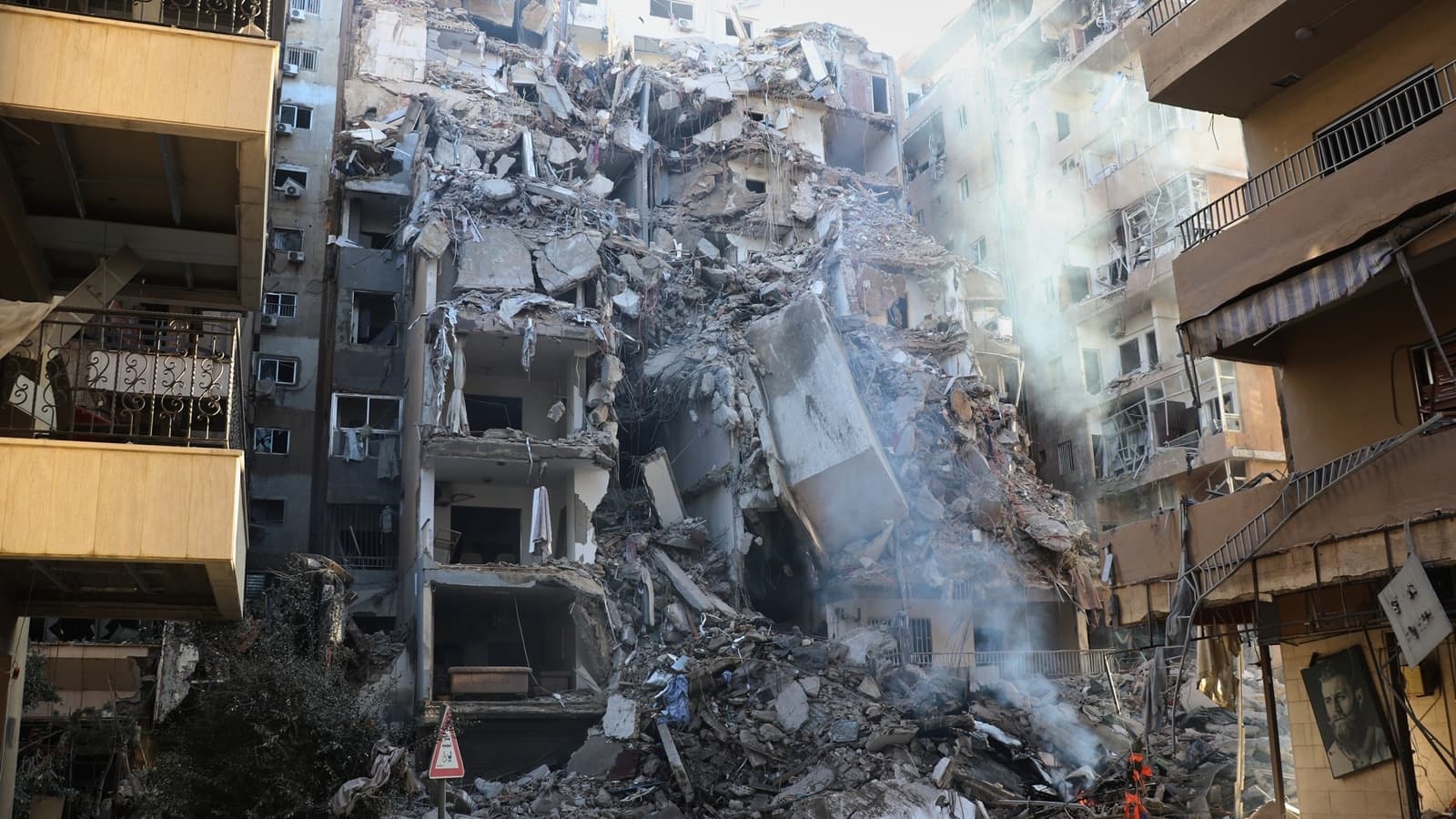
GlipzoIsraeli and Lebanese military officials convened for direct discussions in Washington, D.C. on Friday, marking a significant diplomatic moment amid escalating military actions in southern Lebanon. This unprecedented meeting comes as Israeli forces ramped up their operations in the region, resulting in the reported deaths of at least six individuals due to airstrikes and ground engagements.
According to the Associated Press, Israeli airstrikes targeted the village of Dibbine, located near Marjayoun, while fighting also broke out in the nearby villages of Deir Qanoun al Nahr and Abbasiyeh. Notably, a municipal policeman was killed in Ebba, highlighting the grim human toll amidst the ongoing conflict.
The talks at the Pentagon involved a six-member Lebanese military delegation, marking the first direct military discussions between the nations in decades. The Pentagon described the conversations as “productive,” although no specific achievements were highlighted. The focus was said to be on developing practical frameworks aimed at enhancing regional security and stability.
Despite the diplomatic engagement, Hezbollah, Israel’s primary adversary in the ongoing conflict, was notably absent from these discussions. A senior Lebanese military official indicated that the delegation's primary goal was to ensure the comprehensive implementation of a ceasefire that had taken effect on April 17 earlier this year.
The official also mentioned plans to reactivate the committee that oversees the enforcement of a previous US-brokered ceasefire, which had brought an end to hostilities between Israel and Hezbollah in late 2024. Another Lebanese source reiterated the aim to halt ongoing conflicts and pave the way for further discussions on critical issues, such as the deployment of the Lebanese army along the border and the withdrawal of Israeli forces from southern Lebanon.
On the same day, Lebanon's President Joseph Aoun received a call from US Secretary of State Marco Rubio to discuss the evolving situation in Lebanon and broader Middle Eastern dynamics. President Aoun emphasized that the primary focus should be on enforcing the ceasefire, describing it as a pivotal step towards addressing other pressing issues.
In a stark illustration of the ongoing conflict, the Israeli military issued evacuation warnings for southern Lebanon, compelling hundreds of families to seek refuge in safer northern regions. Reports indicate that Israeli troops engaged in combat with Hezbollah fighters in the villages of Yohmor and Zawtar al-Sahrqieh, after crossing the strategically significant Litani River, which is viewed as a de facto boundary by the Israeli military.
Israeli Prime Minister Benjamin Netanyahu visited the northern front on Friday, where he praised the military's progress. “I must tell you that there are very impressive results here. Our forces have crossed the Litani; they have advanced to controlling positions,” he stated during his visit. Netanyahu highlighted ongoing operations in Beirut and the Bekaa Valley, asserting that Israeli forces are delivering a significant blow to Hezbollah.
As the situation escalates, the ongoing Israel-Hezbollah conflict has had devastating consequences, with recent reports indicating that 3,200 lives have been lost in Lebanon, and over 1 million individuals displaced due to the violence. This grim statistic underscores the urgent need for a sustainable resolution to the conflict.
As the military talks unfold in Washington and Israeli operations continue in Lebanon, the international community is watching closely. The discussions may provide a critical opportunity for de-escalation, but the absence of Hezbollah from the talks raises questions about the potential for meaningful progress. The US and Iran negotiations are still pending approval from President Donald Trump, and any resulting agreement could impact the dynamics on the ground.
Moving forward, key points to monitor include: - Implementation of the Ceasefire: Will the discussions lead to a comprehensive and enforceable ceasefire? - Hezbollah’s Response: How will Hezbollah react to these talks and continued Israeli military actions? - Regional Stability: What role will the US play in ensuring ongoing stability and security in the region? - Humanitarian Crisis: How will the international community address the humanitarian impacts of the conflict?
As tensions remain high, the need for diplomatic solutions is more pressing than ever. The actions taken in the coming days and weeks will be pivotal in shaping the future of Israeli-Lebanese relations and regional peace.
--- ### Why It Matters The ongoing conflict between Israel and Lebanon has profound implications not only for regional stability but also for global geopolitics. The outcomes of these military talks and military operations will significantly impact humanitarian conditions and the geopolitical landscape in the Middle East.

Tensions soar as the US and Iran engage in air strikes near the Strait of Hormuz, raising concerns over global oil supply and regional stability.
BBC World
Trump's international interventions face serious stalemates. What will this mean for U.S. foreign policy? Explore the critical challenges ahead.
Indian Express
Tehran denies resignation of President Masoud Pezeshkian amid claims of IRGC influence. What does this mean for Iran's political stability? Click to learn more!
Indian Express