
Image: BBC Health
Discover how a groundbreaking UK initiative is providing critical mental health support specifically for those living with diabetes, addressing a significant healthcare gap.
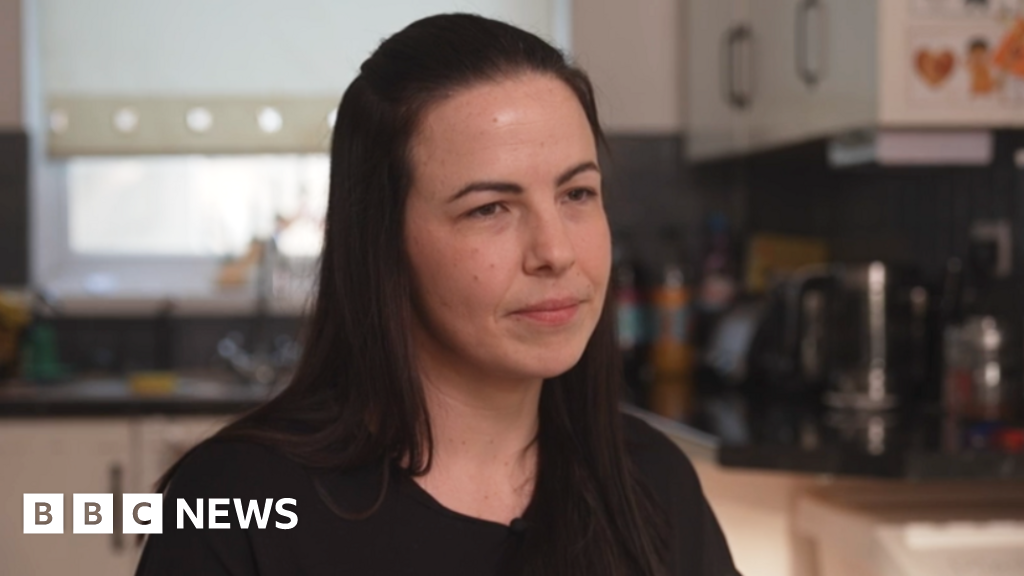
GlipzoIn a groundbreaking move, the UK has initiated a first-of-its-kind mental health support program aimed specifically at individuals living with diabetes. This initiative arises from alarming statistics indicating that those with diabetes are twice as likely to experience depression compared to the general population. Among the voices advocating for enhanced support is Naomi Durham, a 34-year-old mother from Cardiff, who has bravely shared her struggles with mental health while managing type 1 diabetes.
Naomi's story is a sobering reminder of the challenges many face. After giving birth to her second daughter during the Covid-19 pandemic, Naomi fell into a severe state of post-natal depression. She recounted feelings of despair, believing her children would be better off without her. This isolating experience is not uncommon among individuals grappling with both diabetes and mental health issues, highlighting the urgent need for a comprehensive support system.
Diabetes UK reports that the mental health struggles faced by those with diabetes often go unnoticed due to overlapping symptoms. This dual challenge complicates the pursuit of effective treatment, as individuals like Naomi often find themselves caught in a cycle where diabetes care teams attribute issues to mental health, while mental health practitioners point to diabetes complications.
In response to this pressing issue, Cardiff and Vale Health Board has launched a specialized care pathway that integrates mental health support for diabetes patients. This innovative program aims to provide tailored and compassionate care, addressing both the physical and psychological aspects of diabetes management. The health board expressed regret over Naomi's past experiences and emphasized their commitment to improving care for all patients.
Naomi detailed her harrowing journey through mental health challenges and diabetes management. After experiencing a lack of comprehensive support, she found herself in a precarious situation where she neglected her insulin regimen entirely, leading to diabetic ketoacidosis (DKA), a life-threatening condition. Feeling trapped in a system that offered little in the way of integrated care, she described her frustration in seeking help: - “The diabetes team pointed to my mental health, while the mental health team said it was a diabetes issue,” she explained. - This dichotomy exacerbated her struggles, leading to repeated hospital admissions and significant life disruptions, including the cessation of her nursing studies.
However, Naomi found solace and support through peer networks, online communities, and charitable organizations. These connections played a crucial role in her recovery, allowing her to regain her footing in her studies and her parenting. Yet, she remains acutely aware of the long-term ramifications her struggles may have on her children, expressing guilt over not being fully present for them during her darkest times.
Naomi’s experiences underscore the necessity for holistic assessments in healthcare, particularly for patients like her who navigate multiple health issues simultaneously. She advocates for better signposting to available resources, emphasizing that healthcare providers need to adopt a more integrated approach to patient care. - “I felt guilty that I wasn’t there for the girls,” Naomi shared, highlighting the emotional toll that her mental health struggles have had on her family.
Another individual sharing similar experiences is Duke Al, a 32-year-old spoken word poet from Vale of Glamorgan. Diagnosed with type 1 diabetes in 2018, Duke initially responded well to his diagnosis but soon found himself grappling with feelings of inadequacy. He described the onset of self-destructive behaviors, including neglecting his insulin regimen, which posed serious health risks.
Duke also battles obsessive-compulsive disorder (OCD), which he noted intensified following his diabetes diagnosis. The combination of these conditions has significantly impacted his mental health, further illustrating the complexities faced by individuals managing chronic illnesses.
The newly established mental health support program in the UK marks a significant advancement in addressing the intertwined challenges of diabetes and mental health. As more individuals like Naomi and Duke share their stories, awareness surrounding the urgent need for integrated care continues to grow.
Healthcare leaders and organizations must now focus on: - Expanding access to mental health resources for diabetes patients - Training healthcare providers to recognize and address the mental health challenges associated with chronic illnesses - Promoting community support networks that offer understanding and shared experiences
As the UK takes these critical steps toward comprehensive care, it is essential for patients and their families to remain informed and proactive about their health needs. The integration of mental health support into diabetes care is not just a necessity—it's a lifeline for many.
This initiative is vital not only for improving the quality of life for those living with diabetes but also for fostering a healthcare environment that recognizes and treats the whole person. As the program unfolds, it will be crucial to monitor its impact on patient outcomes and how effectively it bridges the gap between physical and mental health support. The journey towards a more compassionate and integrated healthcare system continues, and the outcomes will undoubtedly shape future care models for chronic illness management.

Shocking findings from Nottingham's maternity unit reveal a toxic culture and alarming neglect. What can be done to improve care? Discover the details.
BBC Health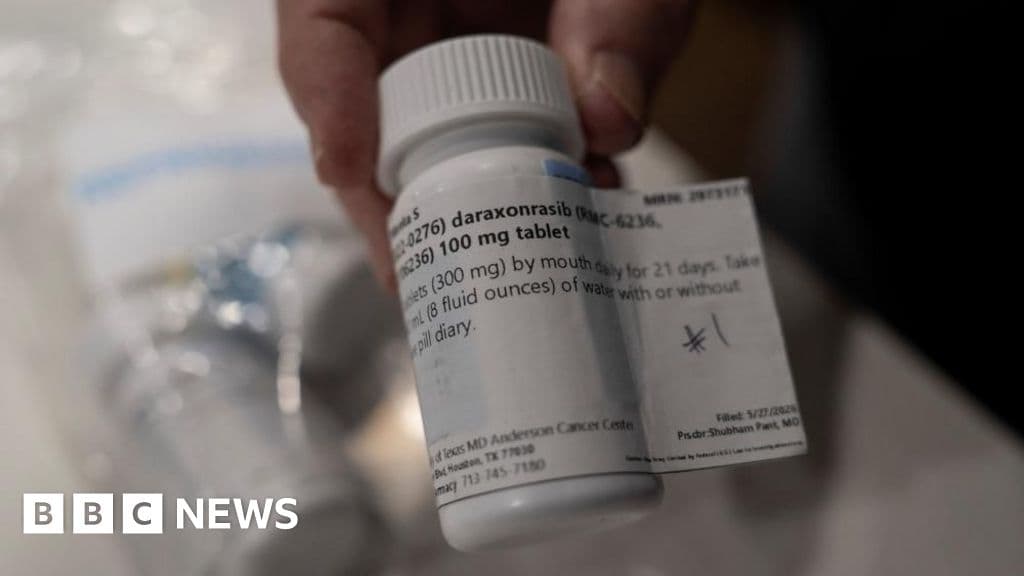
Discover how daraxonrasib, a new pill, is nearly doubling survival rates for pancreatic cancer patients, offering hope in a challenging battle against this deadly disease.
BBC Health
Waste companies propose a £5 deposit on vapes to encourage proper disposal and curb littering as the environmental impact of vapes increases.
BBC Business