

Image: The Hindu
The blockade of the Strait of Hormuz raises fears of a crippling internet disruption, impacting global digital economies and communications.
GlipzoIn a shocking escalation of tensions, the United States and Israel launched a significant military offensive against Iran on February 28, 2026. This operation, dubbed Operation Epic Fury, resulted in the tragic death of Iran's supreme leader and triggered immediate retaliation from Tehran. By early March, the situation had escalated dramatically, with Iran's military effectively shutting down the Strait of Hormuz, a crucial maritime corridor for global oil transportation. As a direct consequence, Brent crude oil prices surged from approximately $65 to over $100 per barrel, igniting widespread concern in international markets.
However, the immediate focus on oil prices masks a deeper, more insidious crisis that threatens the very fabric of our digital economy. Beneath the surface of the Persian Gulf and Red Sea, thousands of kilometers of subsea fiber-optic cables form the backbone of global connectivity. These cables are essential for transmitting data across continents; when you send an email or stream a video, you are likely relying on these underwater conduits.
Countries across Asia, Africa, and Europe heavily rely on the uninterrupted flow of data through the Strait of Hormuz and the Red Sea. This is particularly concerning for nations like India, which is rapidly expanding its cloud computing and artificial intelligence sectors. With significant data centers in the Gulf, India now finds itself in a precarious position, as its digital infrastructure is intertwined with regions now embroiled in conflict.
This crisis marks an unprecedented moment in history, as both major maritime routes for digital data are facing disruptions simultaneously. While the Strait of Hormuz remains under blockade, the Red Sea is also in turmoil, with the Houthis threatening to escalate their attacks on shipping operations in support of Iran. This dual threat transforms what would have been a conventional energy crisis into a multifaceted issue impacting global communications and trade.
The primary danger to these vital cables does not stem solely from targeted military actions but rather from the chaos that accompanies warfare. Merchant vessels caught in the crossfire may be forced to maneuver erratically to evade missile strikes. Such evasive actions can lead to anchors dragging across the seafloor, posing a significant risk of severing the fragile cables that lie beneath.
Historically, this type of collateral damage has been a predominant cause of subsea cable failures during conflicts, allowing state actors to maintain plausible deniability when cables mysteriously go offline. The potential for widespread internet disruption looms large, and telecommunications providers are acutely aware of the risks involved.
The nightmare scenario for many in the telecommunications industry is not limited to severed cables. Typically, specialized repair vessels can quickly locate and mend damaged cables within days. However, in the current hostile environment, these repair ships remain docked, as Iran's military has made it clear that dispatching slow-moving vessels into the contested strait is a perilous endeavor. As a result, what could have been a brief service interruption may now extend into months of severe internet slowdowns or even complete digital blackouts for entire nations.
The ramifications of this potential outage extend far beyond mere inconveniences such as buffering videos or delayed emails. Major tech giants like Amazon Web Services, Microsoft, and Google have invested billions into establishing massive data centers in the UAE and Saudi Arabia, envisioning the region as the next hub for artificial intelligence innovation.
If the subsea cables connecting these billion-dollar facilities to global networks are severed, the consequences could be catastrophic. Not only would it impact the operations of these companies, but it could also disrupt services and data access for countless businesses reliant on these digital infrastructures.
The potential blockade of the Strait of Hormuz is more than just a geopolitical crisis; it represents a fundamental threat to the global digital economy. With the intertwining of physical and digital infrastructures, the fallout from this crisis could reshape how nations interact and conduct business. Vulnerabilities in digital connectivity can lead to economic instability, affecting everything from e-commerce to international trade.
Furthermore, the situation draws attention to the critical need for diversified and resilient infrastructure. As global dependence on digital communication grows, countries must prioritize the protection of their digital lifelines and consider alternative routes for data transmission.
As tensions continue to escalate, the global community must remain vigilant. The situation in the Strait of Hormuz and the Red Sea is dynamic, and developments can occur rapidly. Stakeholders, including governments, businesses, and telecommunications providers, need to prepare for potential disruptions and actively seek solutions to mitigate risks.
In the coming weeks, observers should monitor diplomatic efforts aimed at de-escalation, as well as the operational status of subsea cables in these critical regions. The impact on global connectivity and the economy will depend heavily on how these tensions unfold.
In conclusion, the ongoing conflict not only poses immediate risks to oil markets but also threatens the stability of the global digital economy. As the situation evolves, ensuring the security of our digital infrastructure will be of paramount importance.
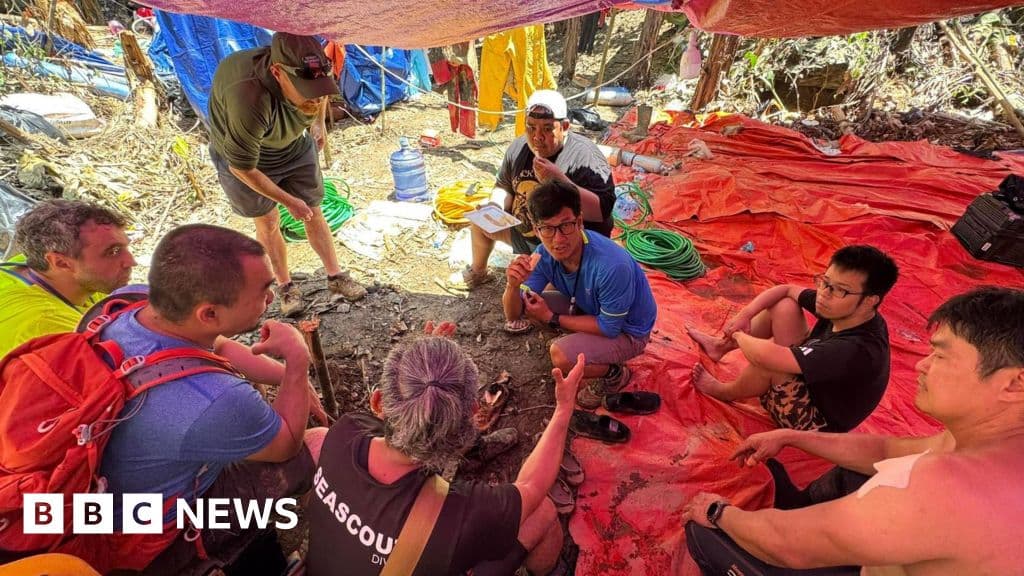
Survivors of the Laos cave rescue are aiding efforts to find the last two missing men trapped inside, sharing crucial insights for the search operation.
BBC World
A year after the tragic Air India crash, the Ali family reflects on grief, unanswered questions, and the enduring bonds of love in the face of loss.
BBC Business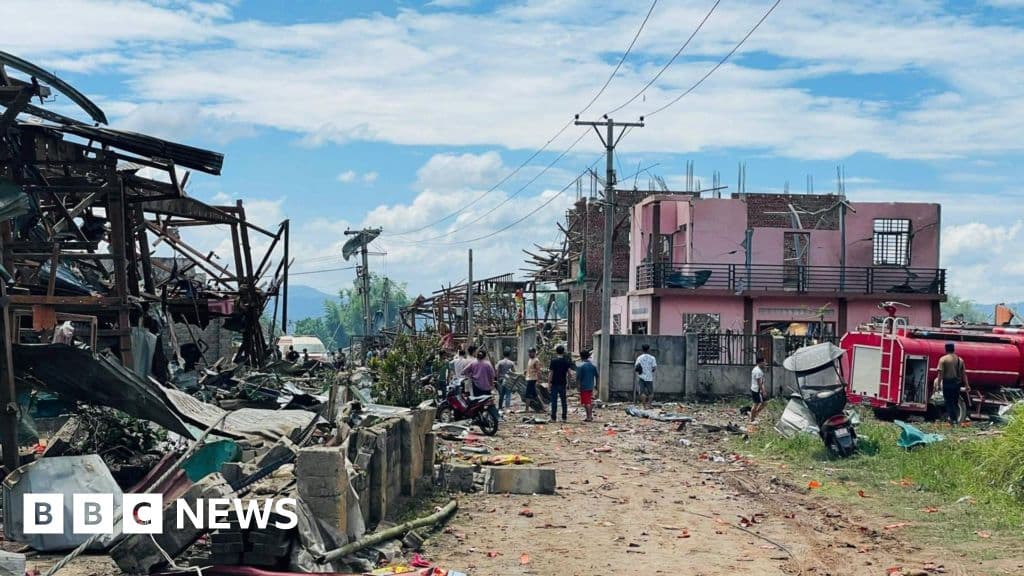
A devastating explosion in Myanmar's Kaung Tat village has killed at least 55 people, raising serious safety concerns and questions about civilian protection in conflict zones.
BBC World