Explore critical updates as the Indian Navy escorts vessels, India delays trade deals with the U.S., and protests emerge in Ladakh. Stay informed!
Indian Navy's Strategic Deployment in the Gulf of Oman
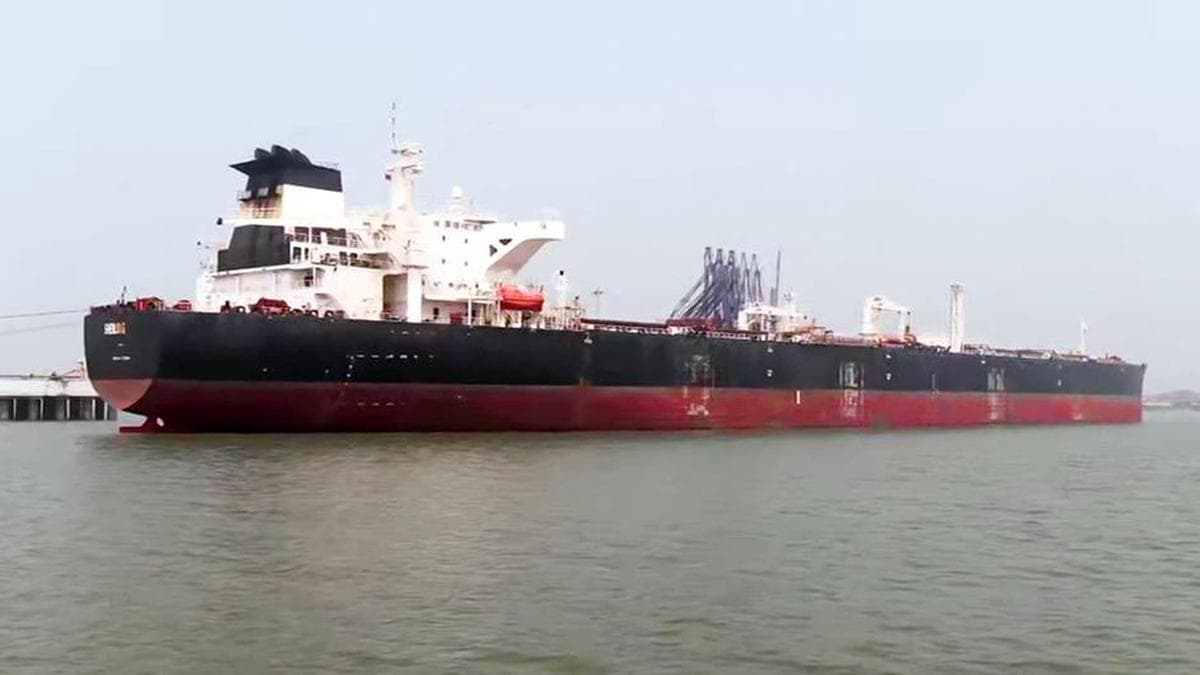
On **March 17, 2026**, the Indian Navy has taken decisive action by deploying warships to protect Indian-flagged merchant vessels navigating the **Persian Gulf**. Official sources confirmed that three naval ships, the **Shivalik**, **Nanda Devi**, and **Jag Laadki**, have escorted these vessels safely through the Gulf of Oman, particularly after they passed the strategic **Strait of Hormuz**. This region is notorious for its vulnerability to piracy and geopolitical tensions, making the Navy's presence crucial for ensuring maritime security.
The decision to escort these ships underscores India's commitment to safeguarding its maritime interests and ensuring the safety of its commercial vessels. As global shipping routes grow increasingly fraught with risks, such military deployments are vital to maintaining trade security in this pivotal area.
Trade Deal Delays: India Awaits U.S. Tariff Clarity
In parallel to the military developments, India is navigating complex trade negotiations with the **United States**. According to **Rajesh Agrawal**, the Commerce Secretary, India will delay signing a new trade agreement until the U.S. clarifies its **tariff rates**. This caution arises in light of ongoing investigations by the U.S. that could result in additional tariffs on various countries, including India.
- **Key Points on Tariff Negotiations:**
This trade impasse highlights the delicate balance of international trade relations and the significance of tariff structures in shaping bilateral agreements. The outcome of these discussions will have profound implications for India’s economy and its trade dynamics with the U.S.
Protests Erupt in Ladakh for Statehood
Amid these national and international developments, **Ladakh** has witnessed a resurgence of protests, marking a significant moment in the region's socio-political landscape. On March 16, local organizations, including the **Kargil Democratic Alliance (KDA)** and the **Leh Apex Body (LAB)**, organized rallies demanding statehood status and inclusion in the **Sixth Schedule** of the Indian Constitution. Hundreds of residents participated in peaceful marches from **Singay Namgyal Chowk** to the **Leh Polo Ground**.
In Kargil, the atmosphere was similarly charged, with large crowds gathering to voice their demands. The calls for statehood reflect ongoing concerns about governance and representation in a region that has historically faced administrative challenges since its transition to a Union Territory.
Israel's Stance on Iran Amid Ongoing Conflict
In the international arena, **Israel** has clarified its position regarding its conflict with **Iran**, emphasizing that it does not seek a “perpetual war.” During a press conference, **Reuven Azar**, Israel's Ambassador to India, indicated a willingness to explore diplomatic avenues should Iran alter its current trajectory. However, he reaffirmed that Israel’s strategic objectives remain unchanged despite Iran's retaliatory actions.
The ongoing conflict, which escalated following the targeted killing of Iran's Supreme Leader Ali Khameini on February 28, continues to create regional instability. Azar noted that while there is no fixed timeline for resolution, both Israel and the U.S. anticipated a duration of “a few weeks” for the current military operations.
India's Response to International Criticism
Back home, the **Indian Ministry of External Affairs** has responded strongly to the **U.S. Commission on International Religious Freedom's** latest report, which it claims presents a biased view of India. An official spokesperson, **Randhir Jaiswal**, criticized the Commission for failing to acknowledge incidents of violence against Hindu temples within the U.S., suggesting that the focus should be on a balanced portrayal of religious dynamics.
This rebuttal reflects India's ongoing efforts to counter external narratives that it perceives as unfair or politically motivated, reinforcing its stance on religious tolerance and diversity.
Political Turmoil Surrounding Economic Policies
Domestically, political tensions are rising as the **Opposition** scrutinizes a substantial allocation of **₹57,381 crore** for the **Economic Stabilisation Fund** proposed by **Finance Minister Nirmala Sitharaman**. Critics argue that the funding is unnecessary, attributing the crisis to government mismanagement rather than external factors. Senior Congress MP **Shaktisinh Gohil** voiced concerns during discussions on the **Appropriation Bill**, emphasizing India's non-aligned policy since independence.
Furthermore, former Prime Minister H.D. Deve Gowda has expressed discontent regarding the chaotic atmosphere in Parliament, particularly criticizing the conduct of the Opposition during ongoing Budget Sessions. His recent correspondence with Sonia Gandhi highlights the importance of maintaining decorum in legislative processes.
Political Controversy Surrounding Election Commission Actions
The **Election Commission of India** (ECI) has also come under fire for its decision to transfer West Bengal's Chief Secretary and DGP soon after announcing Assembly poll dates. This move has sparked allegations from opposition parties, claiming that the ECI is acting under pressure from the ruling **BJP**. In contrast, the BJP has accused opposition parties of attempting to undermine the integrity of the electoral process.
Looking Ahead: What’s Next for India?
As India navigates these multifaceted challenges, the focus will be on several key areas:
- The outcomes of the trade negotiations with the U.S. and their potential impact on economic relations.
- Continued protests in Ladakh and the government's response to demands for statehood.
- Ongoing tensions in the Middle East and their implications for regional security.
In the coming weeks, all eyes will be on these developments as they unfold and shape both national and international landscapes.