
Glipzo
WorldTechnologyBusinessSportsEntertainmentScienceHealthPolitics
Glipzo
WorldTechnologyBusinessSportsEntertainmentScienceHealthPolitics
  1. Home
  2. /
  3. Politics
  4. /
  5. Critical Changes to Chandigarh's Tenancy Laws: What You Need to Know
Critical Changes to Chandigarh's Tenancy Laws: What You Need to Know

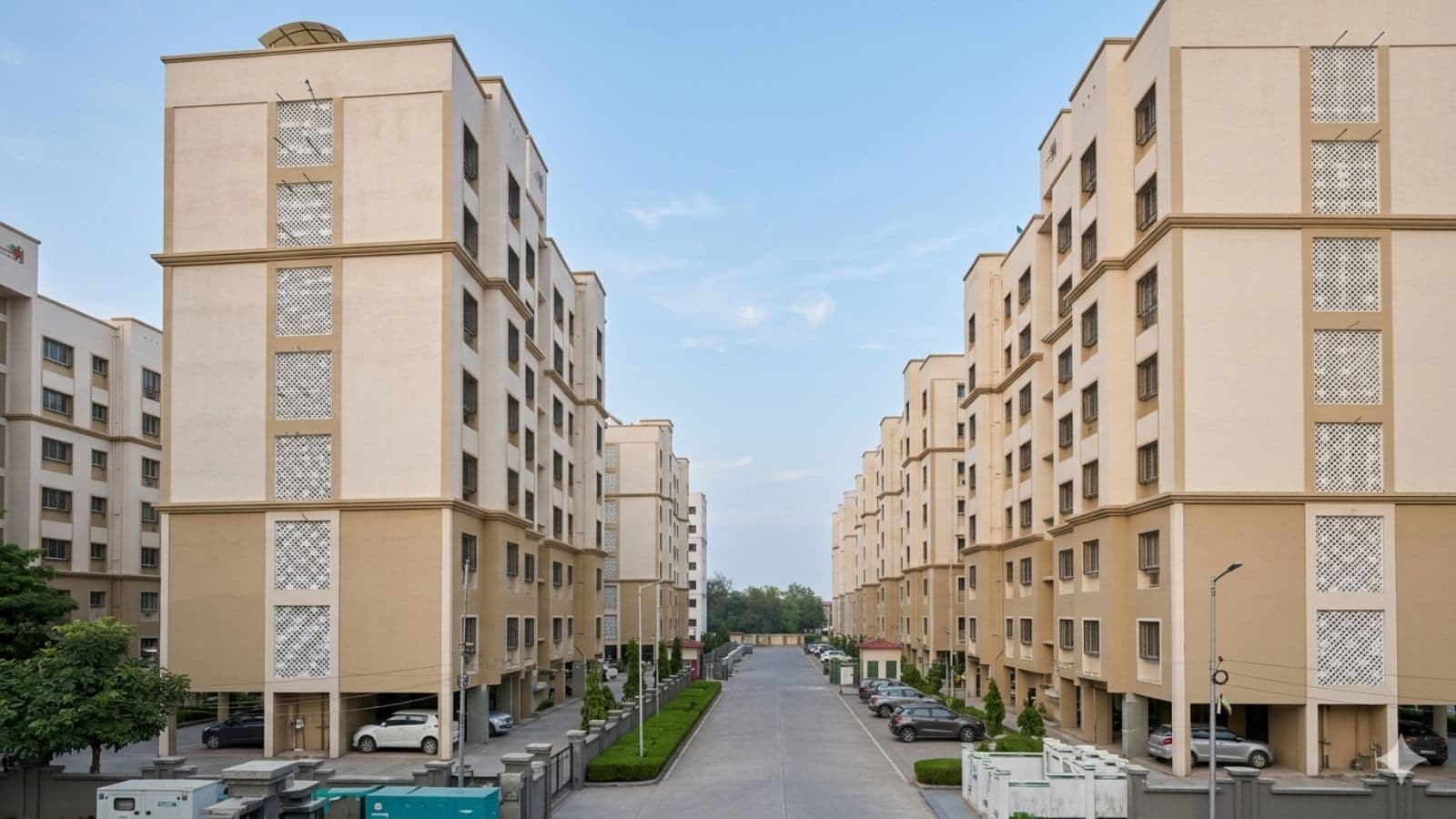
Image: Indian Express

Politics
Friday, May 8, 20264 min read

Critical Changes to Chandigarh's Tenancy Laws: What You Need to Know

Chandigarh's rental laws are changing! Discover how the new Assam Tenancy Act impacts landlords and tenants with hefty penalties for overstays.

Glipzo News Desk|Source: Indian Express
Share
Glipzo

Key Highlights

  • Tenants who overstay face penalties up to 4x their rent!
  • Maximum security deposit capped at 2 months' rent for homes.
  • Landlords must provide written agreements before renting.
  • A three-tier system for resolving tenancy disputes is established.

In this article

  • Major Reforms in Chandigarh's Tenancy Framework In a significant move aimed at reshaping the rental landscape in Chandigarh, the **Centre has extended the provisions of the Assam Tenancy Act, 2021**, along with several other state laws, to this Union Territory. This decision marks a pivotal shift in how rental agreements will be managed, with the aim of bringing clarity and fairness to both landlords and tenants. The notification was released by the **Ministry of Home Affairs** on **May 6, 2026**, under Section 87 of the **Punjab Reorganisation Act, 1966**.
  • Modernizing Rental Agreements and Tenant Rights The new law replaces the outdated **East Punjab Urban Rent Restriction Act, 1949**, establishing a modern and transparent framework for both residential and commercial rentals. The introduction of a **digital platform** for rental document management is a key advancement, allowing for the formal registration of tenancy agreements. This digital approach aims to simplify the rental process and reduce conflicts between landlords and tenants.
  • Caps on Security Deposits and Maintenance Responsibilities One of the most significant aspects of the new tenancy laws is the cap on security deposits. For residential properties, landlords cannot demand more than **two months' rent** as a security deposit, while for commercial properties, the limit is set at **six months' rent**. This is designed to protect tenants from exorbitant upfront costs and to ensure a fair rental market.
  • Dispute Resolution and Tenant Protections To facilitate quicker resolutions of rental disputes, the law establishes a **three-tier dispute resolution system** comprising the **Rent Authority, Rent Court,** and **Rent Tribunal**. The Deputy Commissioner will appoint officers to serve as Rent Authorities, ensuring that all cases are handled efficiently and fairly.
  • Why This Matters for Chandigarh Residents This legislative overhaul is not just about penalties and formalities; it represents a comprehensive effort to improve the quality of life for those renting in Chandigarh. By establishing clear rights and responsibilities for both parties, the government aims to create a more balanced rental market. This move is particularly important in a growing city like Chandigarh, where the demand for rental properties continues to rise.
  • Looking Ahead: What’s Next for Tenants and Landlords? As Chandigarh adapts to these changes, it will be essential for both landlords and tenants to familiarize themselves with the new laws. Future developments to watch for include the establishment of the digital platform for managing rental agreements and the first cases brought before the new dispute resolution system.

Major Reforms in Chandigarh's Tenancy Framework In a significant move aimed at reshaping the rental landscape in Chandigarh, the **Centre has extended the provisions of the Assam Tenancy Act, 2021**, along with several other state laws, to this Union Territory. This decision marks a pivotal shift in how rental agreements will be managed, with the aim of bringing clarity and fairness to both landlords and tenants. The notification was released by the **Ministry of Home Affairs** on **May 6, 2026**, under Section 87 of the **Punjab Reorganisation Act, 1966**.

Under the new regulations, tenants who overstay their lease will face steep financial penalties. For instance, if the monthly rent is set at Rs 20,000, a tenant who refuses to vacate after their tenancy expires will be required to pay Rs 40,000 for the first two months of overstay and Rs 80,000 for each subsequent month. This is a drastic measure intended to deter tenants from occupying rental properties beyond their agreed terms.

Modernizing Rental Agreements and Tenant Rights The new law replaces the outdated **East Punjab Urban Rent Restriction Act, 1949**, establishing a modern and transparent framework for both residential and commercial rentals. The introduction of a **digital platform** for rental document management is a key advancement, allowing for the formal registration of tenancy agreements. This digital approach aims to simplify the rental process and reduce conflicts between landlords and tenants.

Notably, landlords must now provide a written tenancy agreement before renting out any property. Both parties are required to inform the Rent Authority about the agreement within two months. Failing to do so can lead to complications, although there is a grace period allowing separate submissions within an additional month.

Caps on Security Deposits and Maintenance Responsibilities One of the most significant aspects of the new tenancy laws is the cap on security deposits. For residential properties, landlords cannot demand more than **two months' rent** as a security deposit, while for commercial properties, the limit is set at **six months' rent**. This is designed to protect tenants from exorbitant upfront costs and to ensure a fair rental market.

Additionally, the Act clearly outlines the responsibilities of both landlords and tenants regarding property maintenance. Landlords cannot arbitrarily cut off essential services such as water, electricity, or sanitation. If they do, tenants have the right to seek immediate restoration through the Rent Authority, which can also award compensation for any inconveniences caused.

Dispute Resolution and Tenant Protections To facilitate quicker resolutions of rental disputes, the law establishes a **three-tier dispute resolution system** comprising the **Rent Authority, Rent Court,** and **Rent Tribunal**. The Deputy Commissioner will appoint officers to serve as Rent Authorities, ensuring that all cases are handled efficiently and fairly.

Tenants will also have protections against unauthorized entry by landlords. Any entry into rented properties must be preceded by at least 24 hours' notice, with exceptions only for emergencies. This provision is crucial in safeguarding tenant privacy and ensuring that landlords respect their tenants' living conditions.

Why This Matters for Chandigarh Residents This legislative overhaul is not just about penalties and formalities; it represents a comprehensive effort to improve the quality of life for those renting in Chandigarh. By establishing clear rights and responsibilities for both parties, the government aims to create a more balanced rental market. This move is particularly important in a growing city like Chandigarh, where the demand for rental properties continues to rise.

With the introduction of these laws, the rental landscape is expected to undergo a transformation. Landlords will have clearer guidelines, while tenants will enjoy better protections and reduced risks of arbitrary actions. This balance is crucial in fostering a healthy rental market that benefits everyone involved.

Looking Ahead: What’s Next for Tenants and Landlords? As Chandigarh adapts to these changes, it will be essential for both landlords and tenants to familiarize themselves with the new laws. Future developments to watch for include the establishment of the digital platform for managing rental agreements and the first cases brought before the new dispute resolution system.

The effectiveness of these reforms will depend on how well they are implemented and enforced. As Chandigarh embarks on this new chapter in rental management, both parties must engage in open communication to prevent misunderstandings and disputes. The future of rental living in Chandigarh looks promising, with these new regulations paving the way for a more just and equitable rental environment.

Did you find this article useful? Share it!

Share

Related Articles

Critical Air Strikes Erupt Between US and Iran in Gulf Region
Politics
Jun 1, 2026

Critical Air Strikes Erupt Between US and Iran in Gulf Region

Tensions soar as the US and Iran engage in air strikes near the Strait of Hormuz, raising concerns over global oil supply and regional stability.

BBC World

Trump Faces Stalemate in International Military Strategy
Politics
Jun 1, 2026

Trump Faces Stalemate in International Military Strategy

Trump's international interventions face serious stalemates. What will this mean for U.S. foreign policy? Explore the critical challenges ahead.

Indian Express

Tehran Denies Rumors of President Pezeshkian’s Resignation
Politics
Jun 1, 2026

Tehran Denies Rumors of President Pezeshkian’s Resignation

Tehran denies resignation of President Masoud Pezeshkian amid claims of IRGC influence. What does this mean for Iran's political stability? Click to learn more!

Indian Express

Categories

  • World
  • Technology
  • Business
  • Sports

More

  • Entertainment
  • Science
  • Health
  • Politics

Explore

  • Web Stories
  • About Us
  • Contact

Legal

  • Privacy Policy
  • Terms of Service
  • Disclaimer

© 2026 Glipzo. All rights reserved.