
Image: Indian Express
Discover how Bihar's criminal networks are linked to major bank heists across India, posing a critical challenge for law enforcement agencies.
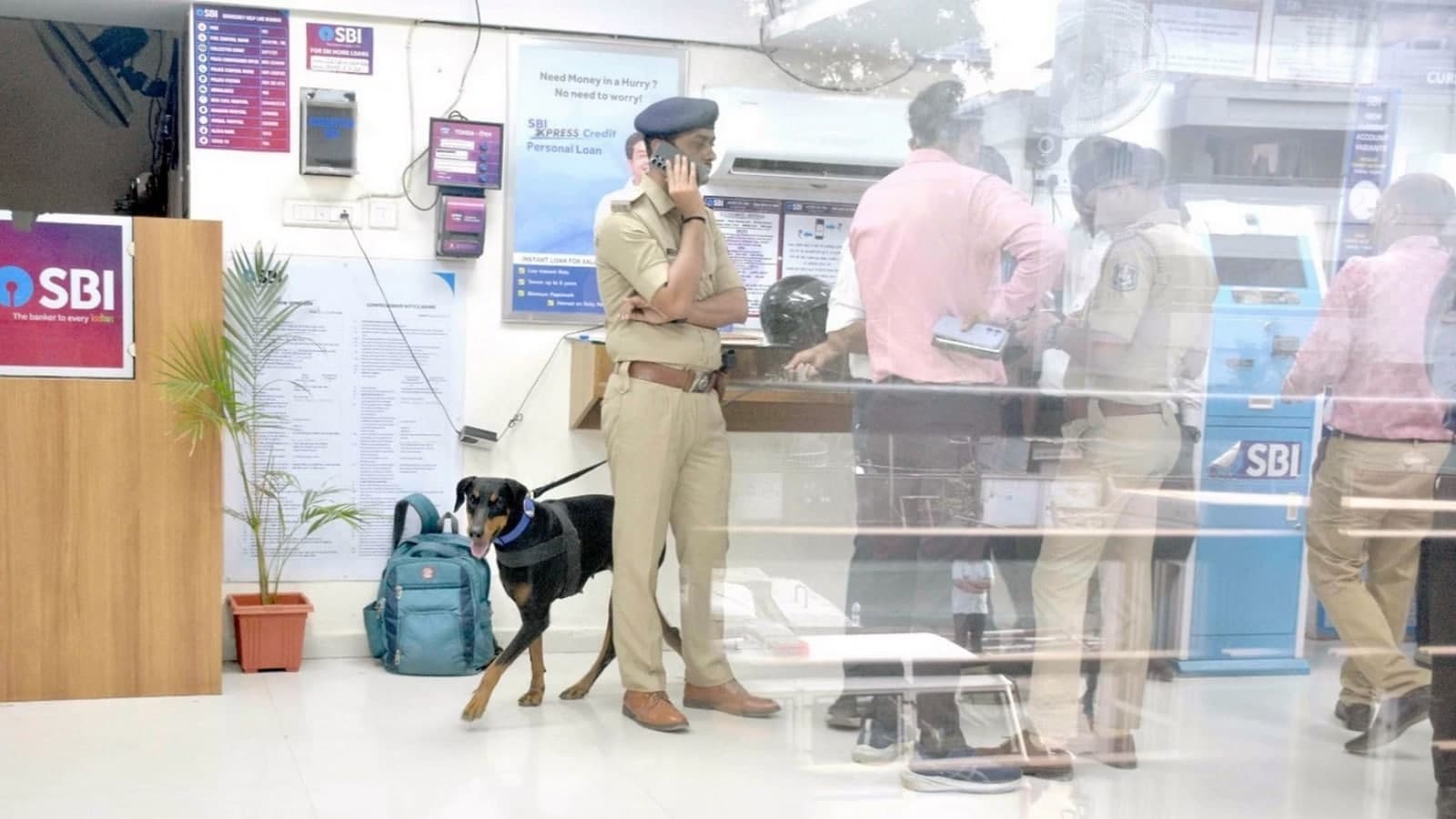
GlipzoRecent bank robberies across India are revealing a startling connection to Bihar, particularly highlighted by a significant robbery in Surat. In a shocking turn of events, the Gujarat Police traced a ₹52 lakh robbery back to Kundan Bhagat, a criminal currently incarcerated at Beur Jail in Patna. Bhagat has been behind bars since November 2025, facing serious charges including extortion and gun running, with his criminal network reportedly extending from Nagaland to Gujarat.
This incident marks a concerning trend as law enforcement agencies begin to connect multiple heists across various states to organized crime syndicates originating from Bihar. The Bihar Police have reported over seven bank and gold heists tied to criminals from the state, indicating a shift from localized crime to more sophisticated, interstate operations.
In response to the escalating situation, the Bihar Police has established a dedicated Bank and Jewellery Loot Cell under the Special Task Force (STF). Kundan Krishnan, the Director General of the Special Branch, emphasized that this new unit possesses the necessary expertise to tackle not only local cases but also those occurring out of state. He stated, "The growing incidents of bank robbery in Bihar and other states suggest a major shift in crime profiles toward two primary categories—heists and cybercrime. Local gangs are merging into interstate networks due to increased law enforcement pressure."
The links between these robberies are becoming increasingly evident. For instance, on December 28, 2025, a group of five criminals executed a significant robbery at the Sky Gold and Jewellery store in Mysuru, Karnataka, stealing 8.304 kg of gold. This led to the arrest of two individuals with ties to Bihar, including Raja Sahani, an escaped undertrial from Begusarai, and Rishikesh Singh, known as Patthal Singh. Further investigations pointed to Rajiv Kumar Singh, a known gangster from Bihar with connections to large-scale robbery operations.
The trend continued with another high-profile robbery on January 19, 2026, when 7.53 kg of gold and ₹4.38 lakh in cash were stolen from a Bank of Maharashtra branch in Keonjhar, Odisha. Following this incident, police arrested four suspects, three of whom were identified as residents of Bihar, including Santosh Paswan from Vaishali and Roshan Kumar, dubbed Laddu Patel from Arwal. This exemplifies the growing interstate nature of these criminal enterprises.
A dramatic heist in Singrauli, Madhya Pradesh, on April 17, 2026, further underlined the issue, where robbers made off with ₹70 lakh worth of gold and ₹14 lakh in cash. The ensuing investigation led to the arrests of four more suspects from Bihar, including Kamlesh Kumar and Phantush Kumar, demonstrating the expansive reach of these networks.
The alarming rise in crime statistics from Bihar provides further context to this issue. The state recorded 955 dacoity cases in 2025, with a staggering increase to 1,392 cases by April 2026. Noteworthy incidents include: - ₹25 crore robbery at a Tanishq showroom in Ara (March 2025) - ₹4.65 crore theft from a Bank of Maharashtra branch in Samastipur (May 2025) - ₹2.25 crore heist at Bada Bazar in Darbhanga (April 2026)
These statistics highlight not only the prevalence of bank and jewelry heists but also the serious challenges posed to law enforcement in Bihar and beyond.
As Bihar's involvement in these crimes continues to surface, it raises significant questions about the effectiveness of law enforcement strategies and crime prevention measures in the region. The trend towards organized crime syndicates poses a complex challenge that requires a coordinated response from police forces across the country.
Director General Kundan Krishnan noted that the STF has successfully cracked several robbery cases, not only in Bihar but also in other states like Andhra Pradesh and Jharkhand. This emphasizes the need for better inter-state cooperation to combat the rising tide of organized crime.
The implications of these findings are profound. With criminals from Bihar increasingly involved in high-stakes heists across India, law enforcement agencies must adapt to the changing landscape of crime. The establishment of specialized units like the Bank and Jewellery Loot Cell is a crucial step in addressing this challenge.
As police forces continue to strategize and collaborate, it will be essential to monitor how these developments unfold. The public and authorities alike should remain vigilant as the fight against organized crime evolves, ensuring that safety and security are restored across affected regions.
In conclusion, the rise of organized crime linked to Bihar represents a critical issue that demands immediate attention. As investigations proceed, understanding the operational structures of these criminal networks will be vital to dismantling them and preventing future heists.
Stay tuned for updates as this story develops.

Tensions soar as the US and Iran engage in air strikes near the Strait of Hormuz, raising concerns over global oil supply and regional stability.
BBC World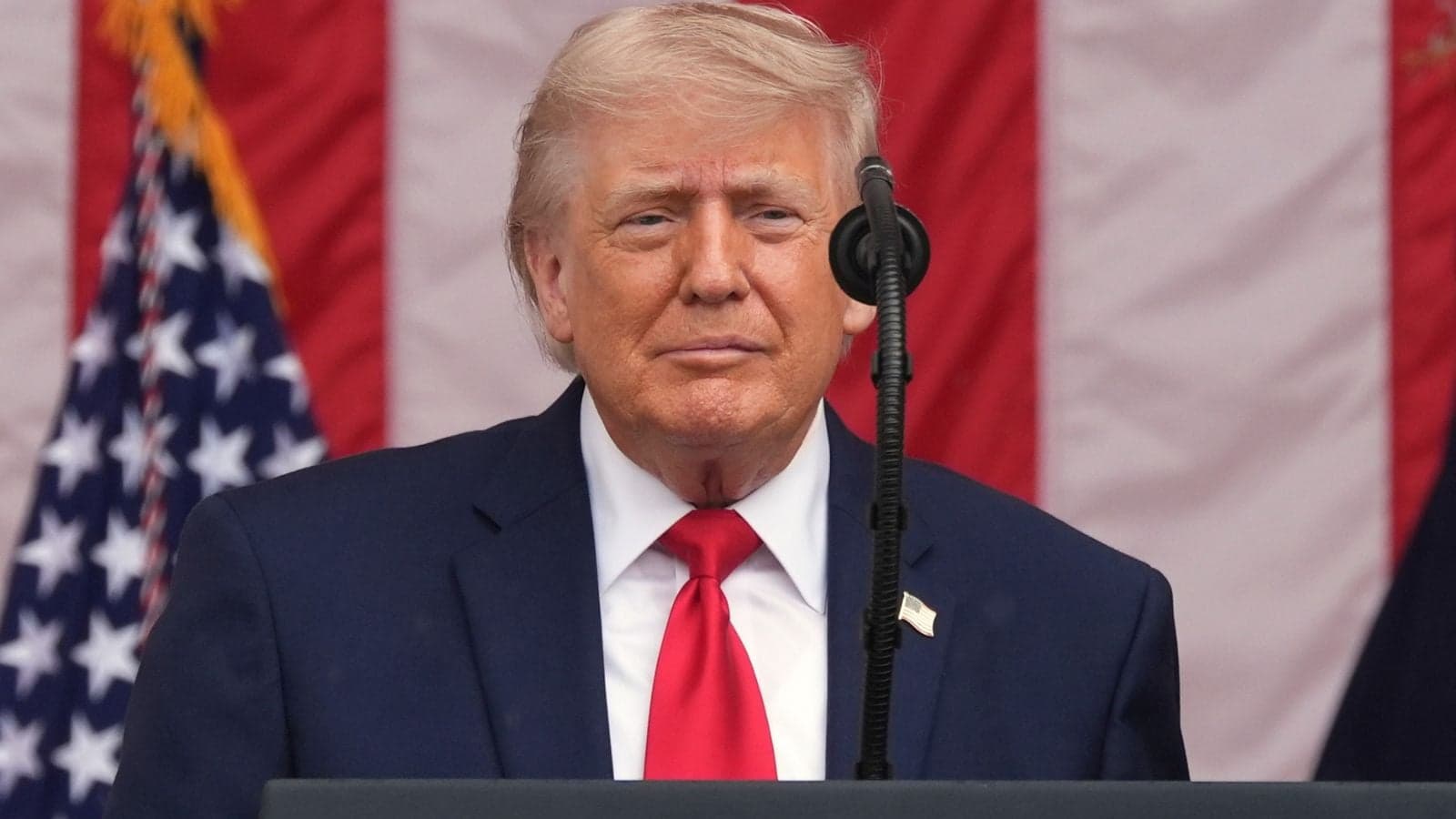
Trump's international interventions face serious stalemates. What will this mean for U.S. foreign policy? Explore the critical challenges ahead.
Indian Express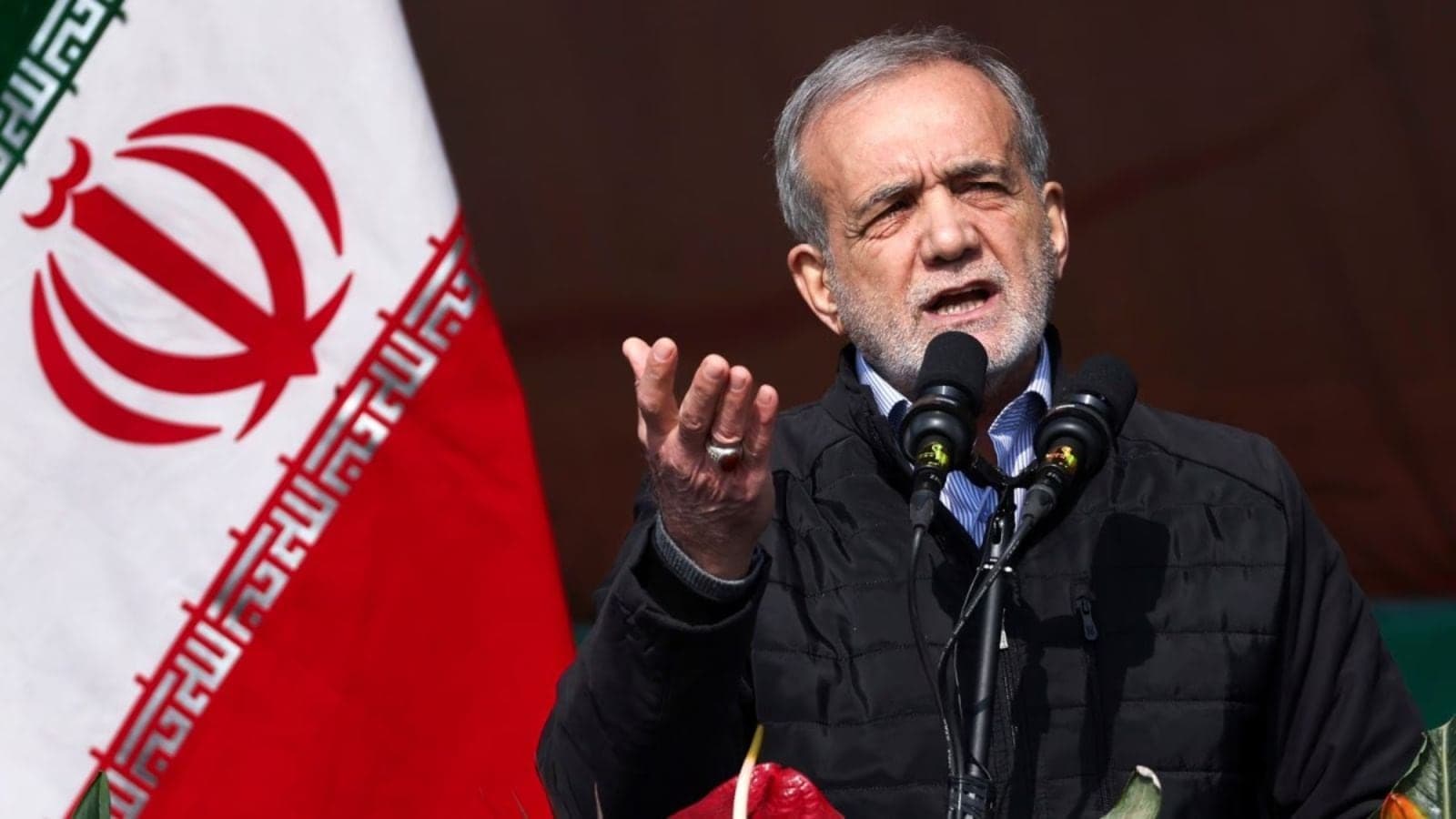
Tehran denies resignation of President Masoud Pezeshkian amid claims of IRGC influence. What does this mean for Iran's political stability? Click to learn more!
Indian Express