

Image: The Guardian World
Cory Booker criticizes both parties for failing to limit Trump's war powers in light of escalating military actions in Iran, Cuba, and North Korea.
GlipzoIn a striking declaration, Senator Cory Booker, a prominent Democratic figure, has publicly chastised both the Democratic and Republican parties for their failure to rein in presidential war powers. Booker, serving as the Senator from New Jersey, voiced his concerns during an appearance on CNN’s State of the Union on Sunday, labeling their inaction as ‘feckless.’ This critique comes in light of escalating military conflicts involving the United States, particularly against nations such as Iran, Cuba, and North Korea.
Booker emphasized the gravity of the situation, arguing that Congress's silence and inaction could pave the way for President Trump to engage in unilateral military actions. “I’m going to be one of those Democrats who say I think both parties have been feckless in allowing the growth of the power of the presidency,” he stated, underlining a bipartisan failure to protect the constitutional balance of power.
The senator’s comments are particularly relevant given the recent military strikes ordered by Trump in various countries, including Nigeria, Venezuela, and Iran. He specifically criticized the Iran conflict, marking it as the largest military engagement for the U.S. since the Afghanistan war began. This escalation followed a missile strike on February 28, which resulted in the death of Ayatollah Ali Khamenei, the Iranian supreme leader, igniting further tensions in an already volatile region.
Booker pointed out that while past presidents have exceeded their war powers, Trump’s current military maneuvers represent a concerning new threshold. “At this magnitude, at this cost, why is Congress just laying down and doing nothing?” he questioned, reflecting a growing anxiety among lawmakers regarding the unchecked expansion of presidential military authority.
In the face of this rising military action, it is noteworthy that the House of Representatives attempted to halt U.S. military operations in Iran. However, this measure was thwarted due to the lack of bipartisan support, particularly from Trump’s Republican allies, resulting in the continuation of military operations. Following this, a Senate resolution aimed at limiting presidential war powers was rejected in a 47-53 vote, further illustrating the partisan divide on military engagement.
Booker highlighted the broader implications of these conflicts, warning that they not only destabilize regional security but also disrupt global oil markets. The Strait of Hormuz, a critical maritime route for oil transport, has been effectively shut down for two weeks, causing significant concerns over international trade and energy supply.
The senator did not shy away from addressing the human toll of these military engagements, noting the reported deaths of 13 U.S. military personnel amid the ongoing conflict with Iran. He lamented the financial burden on American taxpayers, stating, “This is a massive military undertaking, costing American taxpayers billions and billions of dollars and tragically costing 13 lives.” This stark reminder of the human cost underscores the urgency for Congressional action and oversight.
Booker’s call to action resonates deeply in the context of ongoing debates about presidential powers and military engagement. His assertion that both parties have failed to act demonstrates a significant concern about the erosion of checks and balances as outlined in the U.S. Constitution. The implications of unchecked presidential power could have long-term consequences not only for U.S. foreign relations but also for national security and public accountability.
In light of these developments, the question remains: what steps will Congress take to reassert its authority over war powers? As military engagements continue and tensions with nations like Iran, Cuba, and North Korea escalate, it is crucial for lawmakers to address these issues head-on. Public sentiment and advocacy for a more balanced power structure could play a pivotal role in shaping future congressional actions.
As this situation evolves, it will be essential to monitor Congressional responses to ongoing military engagements. Will lawmakers unite to challenge the current administration's unilateral decisions, or will they continue to remain passive? The stakes are high, not only for U.S. military personnel but also for global stability and the foundational principles of American democracy.
Senator Booker’s remarks serve as a wake-up call for both political parties to re-evaluate their roles and responsibilities concerning military intervention and the preservation of checks and balances. As tensions mount, all eyes will be on Congress to see if they will reclaim their authority and ensure that military actions reflect the will of the people and the principles of democracy.
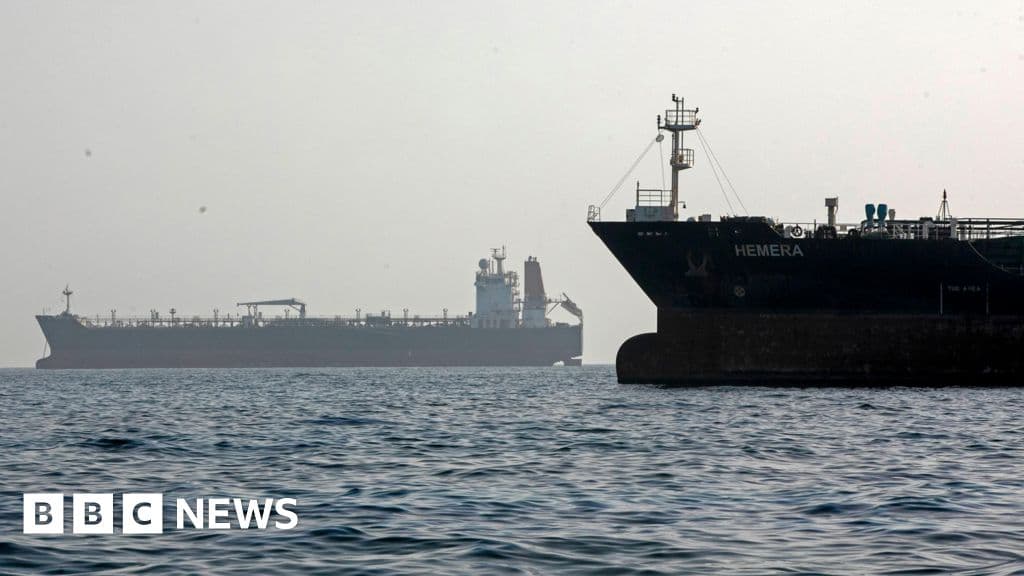
Tensions soar as the US and Iran engage in air strikes near the Strait of Hormuz, raising concerns over global oil supply and regional stability.
BBC World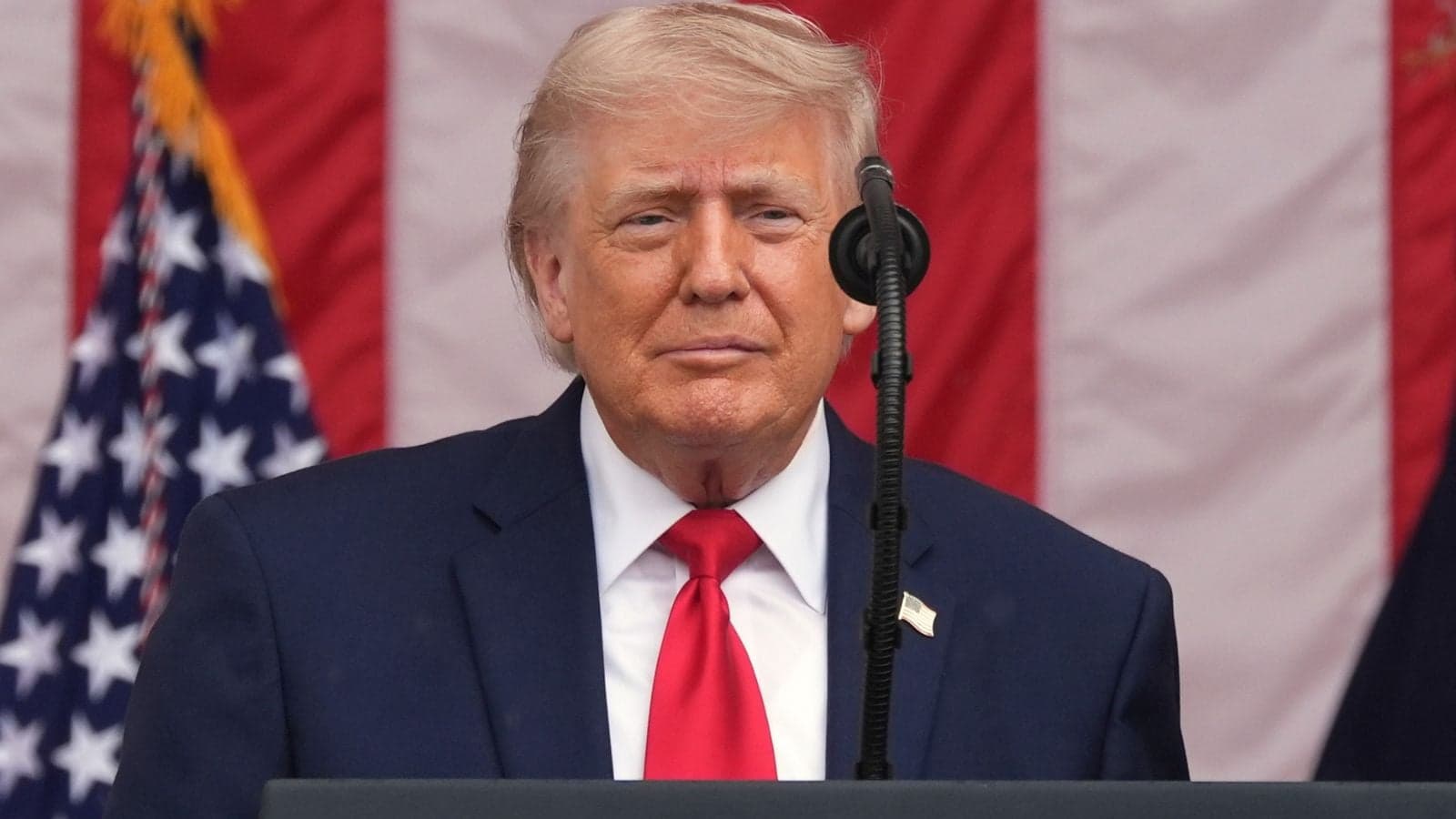
Trump's international interventions face serious stalemates. What will this mean for U.S. foreign policy? Explore the critical challenges ahead.
Indian Express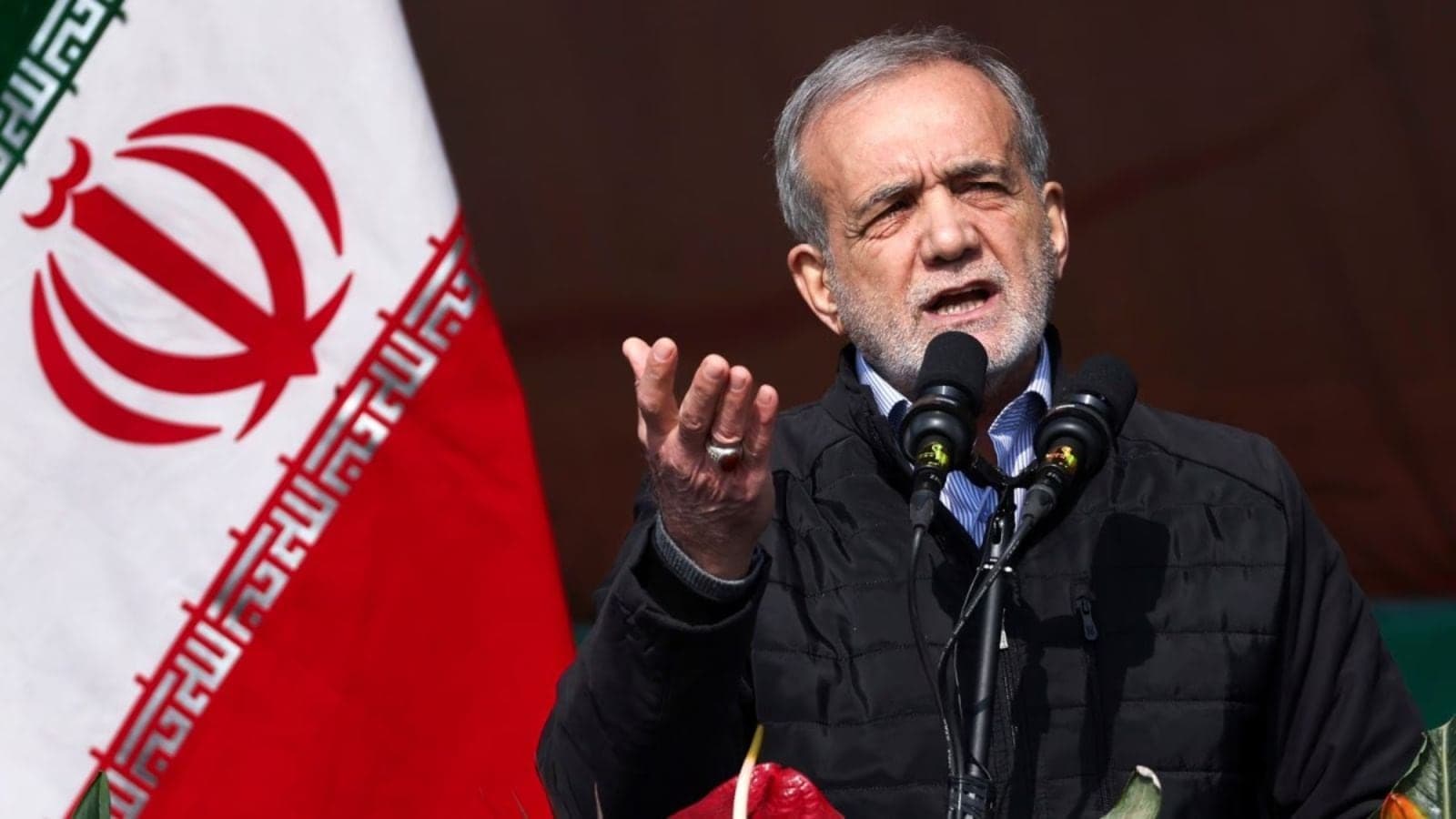
Tehran denies resignation of President Masoud Pezeshkian amid claims of IRGC influence. What does this mean for Iran's political stability? Click to learn more!
Indian Express