
Image: BBC Science
Wales faces a divide over proposed wind farms as residents weigh economic benefits against environmental concerns. What’s at stake? Click to learn more.
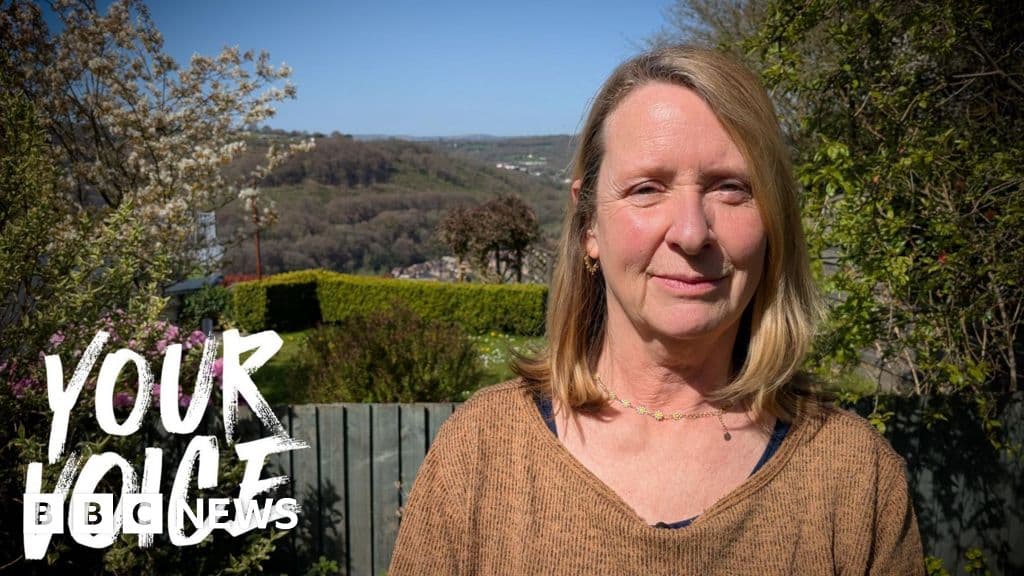
GlipzoResidents of Wales are grappling with the implications of proposed onshore wind farms, as the government pushes forward with plans to meet its ambitious renewable energy goals. Among the concerned citizens is Grace Lloyd, a long-time resident of Abercarn in Caerphilly County, who fears that the beauty of her surroundings will be irrevocably altered by towering wind turbines.
From her home, Grace has a stunning view of the moorland, which she believes will be dominated by wind turbines that could reach heights of 180 meters (590 feet), drastically changing the landscape she cherishes. "It would break my heart to see this covered in concrete and bulldozed," Grace expressed, highlighting the emotional toll that such developments could take on local residents.
The Welsh government has signed a new agreement with energy companies to accelerate its transition to 100% renewable energy by 2035. However, this move has sparked a significant debate within the community as many residents voice their concerns about the impact of these wind installations on their environment and quality of life.
Despite the opposition from some residents, a YouGov poll conducted for Friends of the Earth Cymru revealed that a significant portion of the population, 65%, supports the development of onshore wind energy. This statistic underscores the growing consensus on the importance of renewable energy, even as local communities fear the implications of large-scale installations.
Grace, a retired geologist, acknowledges the need for renewable energy but is frustrated by what she perceives as a lack of efforts to find a middle ground. She passionately advocates for the protection of natural habitats, stating, "We must have renewable energy, but we're also supposed to be protecting natural habitats."
In her view, the introduction of up to 20 new turbines, particularly those of considerable height, poses a substantial threat to local wildlife and the landscape she loves. Grace often shares her favorite moorland with her granddaughter, and the thought of her growing up in an industrialized environment is a source of great sadness for her.
In response to the concerns raised, James Robson from RES, the company behind the proposed installation of 13 turbines, argues that the project is designed with the local environment and community needs in mind. He emphasizes the financial benefits the project could bring, including an estimated £26.3 million investment in the Welsh economy and a community benefit package worth £9.5 million.
Additionally, Pennant Walters, which is looking to develop three turbines, claims that its project could provide enough green energy to power over 13,000 homes annually, along with significant community benefits and potential local ownership opportunities.
However, for residents like Bob Horton from Rhydcymerau, the prospect of large turbines looming nearby raises significant concerns about their impact on lifestyle and the environment. Bob, who moved to the area seeking a peaceful retirement, is apprehensive about the 230-meter (754-foot) turbines proposed for the Glyn Cothi wind farm. He worries that these structures, which he describes as "monsters," will disrupt the tranquility of the community and negatively affect local wildlife.
Bob's concerns echo a broader sentiment among residents who value the communal spirit of their villages and the natural beauty of their surroundings. He notes that these turbines would be visible from miles away, dramatically altering the landscape that local residents have come to love and appreciate.
The Trydan Gwyrdd Cymru project, which is backed by the Welsh government, plans to implement similar developments across various sites in Wales, including Rhondda Cynon Taf and the Conwy-Denbighshire border. Simon Morgan, the development director, acknowledges the community's concerns but insists that the design of the Glyn Cothi project is still in the early stages and that local feedback is crucial to the planning process.
As Wales moves closer to its renewable energy goals, the debate surrounding onshore wind farms will likely intensify. With Senedd elections approaching on May 7, discussions about the balance between economic growth through renewable energy and the preservation of natural habitats will remain at the forefront of political and community conversations.
The future of these proposed wind farms hinges on ongoing dialogue between residents, developers, and government officials. As plans progress, community input will be vital in shaping projects that respect both the environment and the needs of local populations.
In this evolving situation, it’s essential for stakeholders to find common ground that ensures sustainable energy while also protecting the cherished landscapes and lifestyles of the communities involved. The outcome of this conflict will not only affect current residents but also shape the legacy left for future generations.

Tensions soar as the US and Iran engage in air strikes near the Strait of Hormuz, raising concerns over global oil supply and regional stability.
BBC World
Trump's international interventions face serious stalemates. What will this mean for U.S. foreign policy? Explore the critical challenges ahead.
Indian Express
Tehran denies resignation of President Masoud Pezeshkian amid claims of IRGC influence. What does this mean for Iran's political stability? Click to learn more!
Indian Express