
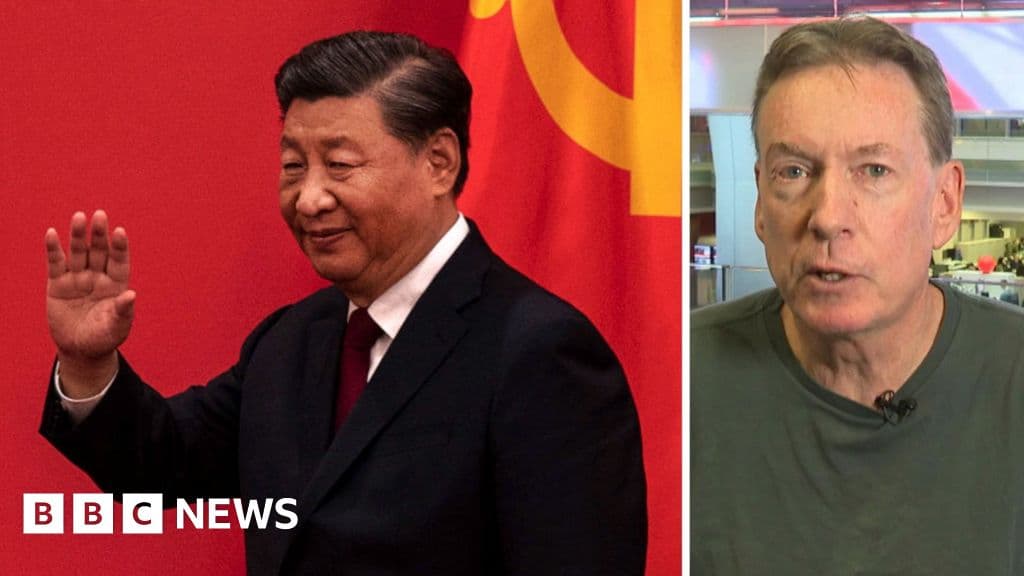
Image: BBC World
Explore China's critical involvement in the Iran conflict and the implications for global politics amid rising tensions with the U.S.
GlipzoIn the intricate web of global geopolitics, China stands as the leading importer of Iranian oil, marking its critical role in the ongoing conflict in the region. As the situation escalates with the U.S. blockade of Iran's ports, which commenced on Monday, China faces significant challenges. The blockade threatens to disrupt oil exports vital not only to Iran but also to China's energy security.
The stakes are high; any interference in the Gulf could lead to severe economic repercussions for China, which relies heavily on Iranian oil to fuel its burgeoning economy. The situation has prompted Beijing to voice its disapproval, labeling the U.S. actions as "irresponsible and dangerous." This reaction underscores the delicate balance China must maintain as it navigates its alliances and economic interests.
In response to the escalating tensions, China has taken on an unexpected role as a potential peacemaker. Recent reports indicate that Chinese diplomats encouraged negotiations between Iran and the U.S. during discussions held in Pakistan last weekend. This diplomatic push illustrates China's desire to stabilize the region, not only to protect its own interests but also to maintain its influence in the Middle East.
Key points of focus for China include: - Securing unhindered access to oil supplies - Preserving regional stability to prevent economic fallout - Enhancing its diplomatic standing by mediating conflicts
As the U.S. continues to assert pressure on Iran, China's efforts to engage both sides may prove crucial in preventing further escalation. However, the challenges are formidable, as both the U.S. and Iran have demonstrated a willingness to engage in aggressive posturing.
The U.S. has declared a "total and complete victory" following a two-week ceasefire with Iran, signaling a potential shift in the dynamics of the conflict. In his recent address, President Donald Trump issued a stern warning to Iran, emphasizing the need to reach an agreement concerning the key Strait of Hormuz by his specified deadline. Failure to comply could lead to further military action, exacerbating the already volatile situation.
Amidst these developments, Iran has called for citizens to rally outside potential U.S. and Israeli targets, showcasing the heightened tensions and the possibility of retaliatory actions. As the U.S. and Iranian forces search for a missing American crew member following the downing of a U.S. warplane, the stakes continue to rise.
The U.S. blockade and subsequent military maneuvers have significant implications not only for Iran and the U.S. but also for global politics at large. Countries reliant on the Strait of Hormuz, which handles a substantial portion of the world’s oil shipments, are now urged by Trump to “build up the courage” to secure their interests. This call to action underscores the interconnectedness of global markets and the potential ripple effect of the conflict.
As tensions escalate, the international community is closely monitoring the situation. The consequences of these actions may reverberate through financial markets, especially in energy sectors, and could lead to shifts in alliances as nations reassess their positions in light of these developments.
Looking ahead, the situation in Iran remains fluid. Analysts suggest that as the U.S. maintains its stance, China will likely continue to position itself as a mediator, balancing its economic dependencies with its strategic interests.
Key aspects to watch include: - Further developments in U.S.-Iran negotiations - China's ongoing diplomatic efforts in the region - Reactions from other Middle Eastern nations - Potential economic impacts on global oil markets
As these dynamics unfold, the role of China will be pivotal in shaping the future of not only the Iranian conflict but also the broader geopolitical landscape. The world is watching closely, as the actions taken in the coming weeks could redefine alliances and economic strategies well beyond the Gulf.
In a world where energy security and political power are increasingly intertwined, understanding China's role in this conflict is more vital than ever.

Tensions soar as the US and Iran engage in air strikes near the Strait of Hormuz, raising concerns over global oil supply and regional stability.
BBC World
Trump's international interventions face serious stalemates. What will this mean for U.S. foreign policy? Explore the critical challenges ahead.
Indian Express
Tehran denies resignation of President Masoud Pezeshkian amid claims of IRGC influence. What does this mean for Iran's political stability? Click to learn more!
Indian Express