
Image: Indian Express
Chandigarh's National Lok Adalat resolves over 19,000 cases, settling more than Rs 14.25 crore. Discover the impact on local justice and future proceedings.
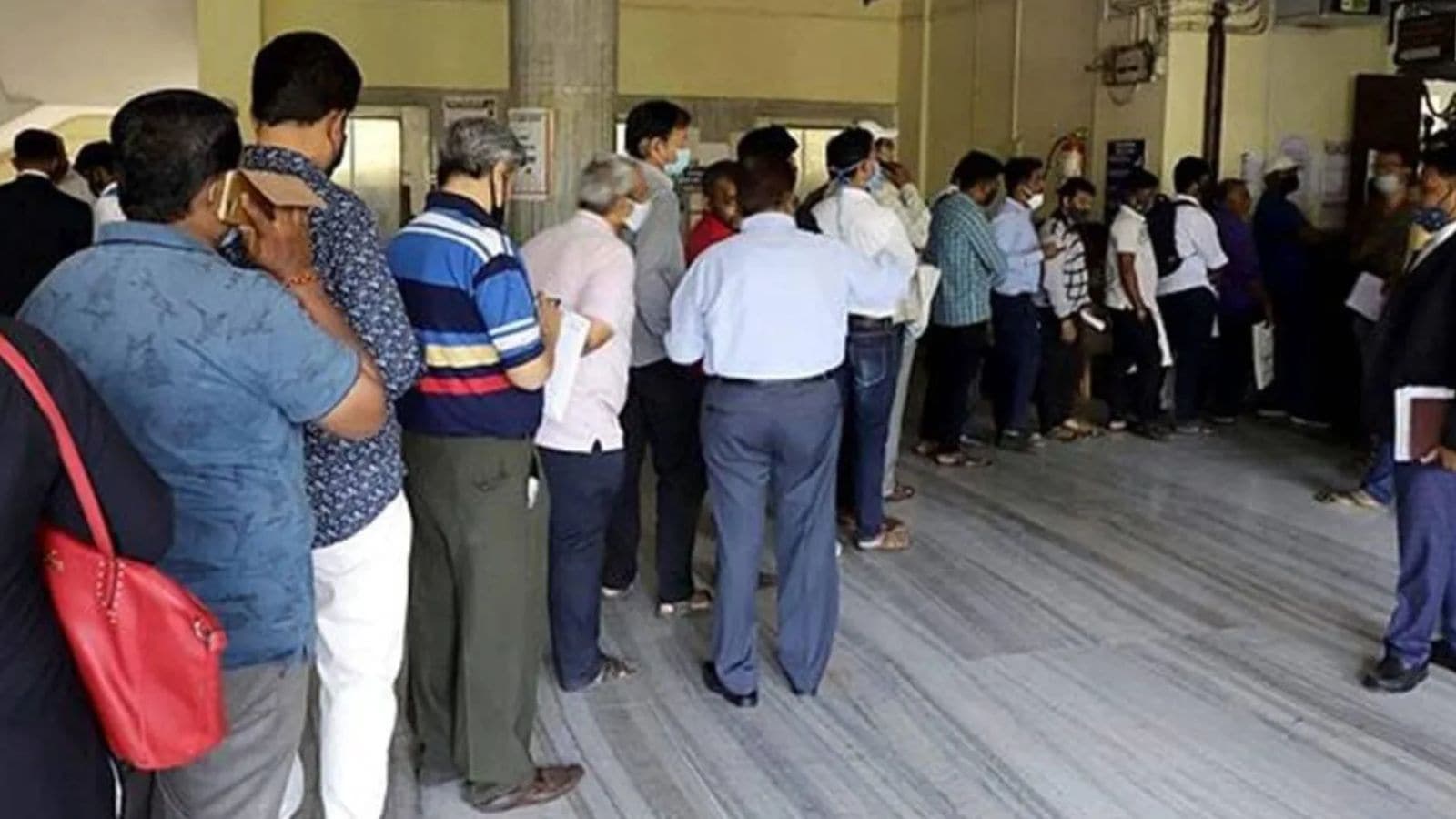
GlipzoIn a remarkable event on Saturday, more than 19,000 cases were resolved during the National Lok Adalat held at the District Courts Complex in Chandigarh's Sector 43. These proceedings not only addressed pending disputes but also included pre-litigation matters and traffic challans, culminating in settlements totaling an impressive Rs 14.25 crore.
The initiative was spearheaded by the State Legal Services Authority (SLSA) in collaboration with the District Legal Services Authority (DLSA), under the aegis of the National Legal Services Authority. This year's event featured 13 benches, each led by serving judicial officers, who tackled a diverse range of issues including criminal compoundable cases, cheque bounce disputes under Section 138 of the Negotiable Instruments Act, bank recovery issues, motor accident claims, matrimonial disputes, labor disputes, arbitration matters, municipal concerns, and traffic violations.
According to official reports, the National Lok Adalat processed a staggering 19,004 cases. Here's how the settlements unfolded: - 10,595 pre-litigation cases with settlements totaling Rs 6.95 lakh - 17 labor dispute cases resolved for Rs 20 lakh - 63 matters before the State and District Consumer Commissions, amounting to Rs 5.46 crore - 26 cases from the Debt Recovery Tribunal-II, Chandigarh, resulting in settlements of Rs 9.71 crore - Additionally, the Tehsildar (Revenue) disposed of 2,102 mutation cases during the event.
The proceedings were conducted under the watchful guidance of Justice Harsimran Singh Sethi from the Punjab and Haryana High Court, while Chief Justice Sheel Nagu served as the Patron-in-Chief of the State Legal Services Authority in Chandigarh.
During the Lok Adalat, Justice Sethi intervened in a significant matrimonial dispute before Additional District and Sessions Judge Puneet Mohan Sharma, emphasizing that the welfare of minor children is of utmost importance in such cases. As a result, the parties involved requested additional time to pursue an amicable resolution.
Interestingly, the Lok Adalat successfully settled four matrimonial disputes, with the parties agreeing to reconcile and resume their lives together. Notably, one case that had been pending for over ten years was also resolved, showcasing the Lok Adalat’s effectiveness in providing timely justice.
In an additional session held at the High Court on Friday, 182 cases were settled through mutual compromise, with a total compensation amount exceeding Rs 7.83 crore. This session was also conducted under the supervision of Chief Justice Sheel Nagu and Justice Mahabir Singh Sindhu, Chairman of the High Court Legal Services Committee.
Five benches were formed for this session, presided over by Justice Sandeep Moudgil, Justice Alok Jain, Justice Sudeepti Sharma, Justice Rohit Kapoor, and Justice Ramesh Chander Dimri. Out of 430 cases listed, 182 were resolved amicably, primarily concerning motor accident claims, which highlights the Lok Adalat's crucial role in alleviating court backlogs.
The success of the National Lok Adalat is significant for several reasons: - Access to Justice: It makes legal resolution more accessible to the public, reducing the burden on traditional court systems. - Timely Settlements: The quick resolution of cases, such as those pending for over a decade, emphasizes the importance of alternative dispute resolution mechanisms in the legal system. - Economic Impact: The substantial settlement amounts reached can provide immediate financial relief to the parties involved.
Looking forward, it is crucial to recognize the evolving landscape of legal proceedings in India. With the continued success of initiatives like the National Lok Adalat, we can expect more frequent and effective legal resolutions. This not only fosters confidence in the judicial system but also encourages individuals to pursue their rightful claims without the fear of prolonged legal battles.
As legal authorities prioritize alternative dispute resolution methods, the focus will likely shift towards enhancing public awareness about such initiatives, ensuring that more citizens can benefit from these services in the future.

Tensions soar as the US and Iran engage in air strikes near the Strait of Hormuz, raising concerns over global oil supply and regional stability.
BBC World
Trump's international interventions face serious stalemates. What will this mean for U.S. foreign policy? Explore the critical challenges ahead.
Indian Express
Tehran denies resignation of President Masoud Pezeshkian amid claims of IRGC influence. What does this mean for Iran's political stability? Click to learn more!
Indian Express