

Image: Times of India
Discover how women are revolutionizing water management in India, leading grassroots movements for sustainability in the face of a looming water crisis.
GlipzoIn a nation grappling with severe water scarcity, women are emerging as pivotal figures in the fight for sustainable water management across India. From rural villages to urban centers, these trailblazers are not just beneficiaries of water systems; they are spearheading initiatives that ensure access to clean water for their communities. As the consequences of climate change loom larger, the importance of these women's contributions becomes critical.
The blue saree brigade, a term affectionately coined by local advocates, reflects the vibrant women who don traditional attire while engaging in crucial water conservation efforts. Their roles range from educating communities about water-saving practices to leading grassroots movements aimed at protecting water resources. The impact of their work is profound, as they address both immediate needs and long-term sustainability.
India faces one of the world's most pressing water crises, with 600 million people experiencing high to extreme water stress, according to a 2020 report by NITI Aayog. Factors such as rapid population growth, urban expansion, and climate change have exacerbated this issue, leading to a decline in available freshwater resources. In such a scenario, the role of women becomes even more significant.
Traditionally, women have been responsible for collecting water in many parts of India, often walking miles to fetch supplies. This burden has not only limited their opportunities for education and employment but has also highlighted their integral role in water management. As women begin to take charge of water conservation efforts, they are not just alleviating their struggles but paving the way for enhanced community resilience.
Across India, various grassroots organizations are empowering women to take action in water management. Initiatives like Jal Sahelis, or water friends, train women to monitor local water bodies, engage in rainwater harvesting, and advocate for sustainable practices. This movement is gaining momentum, as women become aware of their potential to drive change.
A notable example is the Rural Women's Development Association, which has played a vital role in mobilizing women in rural areas. Through workshops and training sessions, they have educated women about water conservation techniques, leading to improved water quality and availability in their regions. The success stories emerging from these initiatives are inspiring and serve as a blueprint for other communities.
The transformation of women into leaders in water management is not just about addressing water shortages; it also embodies a broader narrative of empowerment. By engaging in these initiatives, women are gaining skills, building confidence, and fostering leadership qualities. This shift impacts not only their immediate families but also their communities at large.
When women are empowered to take charge of water resources, they contribute to better health outcomes, improved education for children, and enhanced economic stability. Empowered women are more likely to advocate for their rights and the rights of others, creating a ripple effect that can lead to lasting societal change.
As the climate crisis escalates and the demand for water increases, the role of women in water management will only become more vital. Policymakers and community leaders must recognize and support these efforts to ensure sustainable solutions to water scarcity. Programs that promote women's participation in water governance and decision-making will be essential moving forward.
Investing in gender-inclusive policies that encourage women's involvement in water-related projects can lead to innovative solutions. These include promoting technologies that facilitate water conservation, funding women-led initiatives, and creating platforms for women to voice their concerns regarding water management.
The blue saree brigade is not just a symbol of tradition but also a beacon of hope for India’s water future. As these women continue to advocate for sustainable practices and lead community efforts, they remind us of the critical intersection between gender, water, and sustainability. The world should pay attention to their stories and support their endeavors, ensuring that water management in India becomes equitable, inclusive, and sustainable for generations to come.
In summary, the contributions of women in India's water systems are a testament to their resilience and leadership. As communities unite to tackle the ongoing water crisis, the empowerment of women will be central to achieving sustainable solutions. Let’s keep an eye on how these movements evolve and the impact they will have on India’s environmental landscape in the coming years.
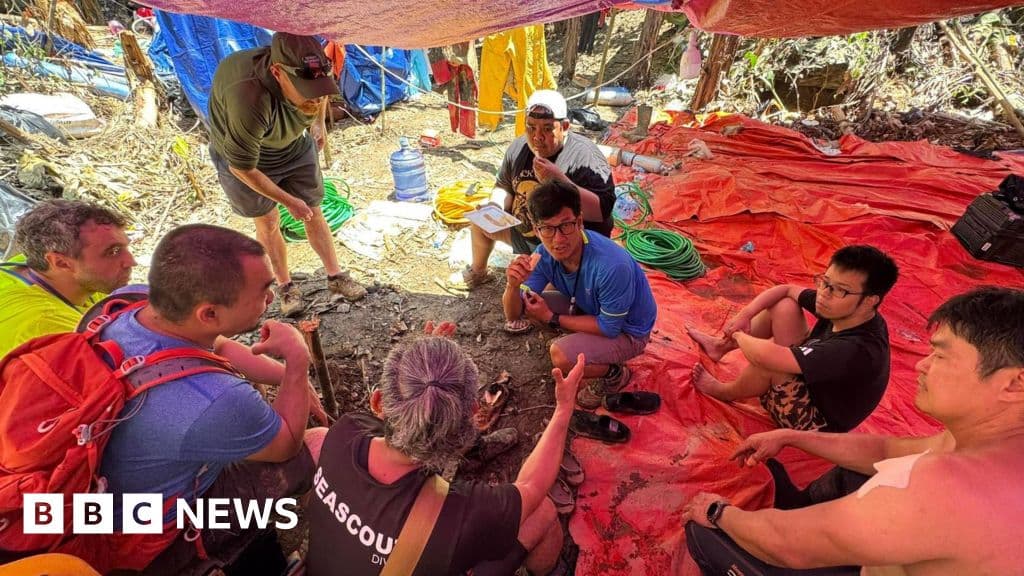
Survivors of the Laos cave rescue are aiding efforts to find the last two missing men trapped inside, sharing crucial insights for the search operation.
BBC World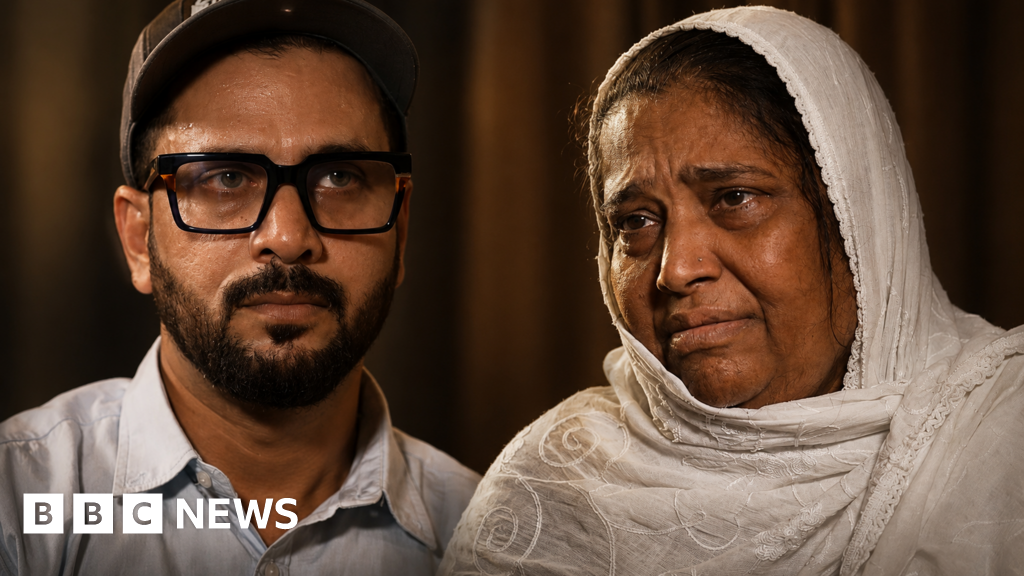
A year after the tragic Air India crash, the Ali family reflects on grief, unanswered questions, and the enduring bonds of love in the face of loss.
BBC Business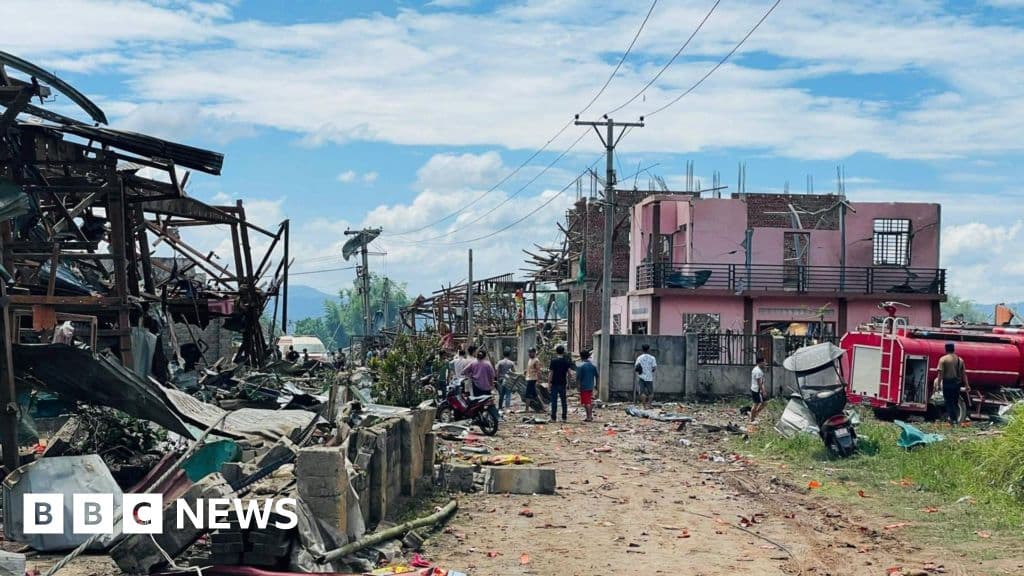
A devastating explosion in Myanmar's Kaung Tat village has killed at least 55 people, raising serious safety concerns and questions about civilian protection in conflict zones.
BBC World