
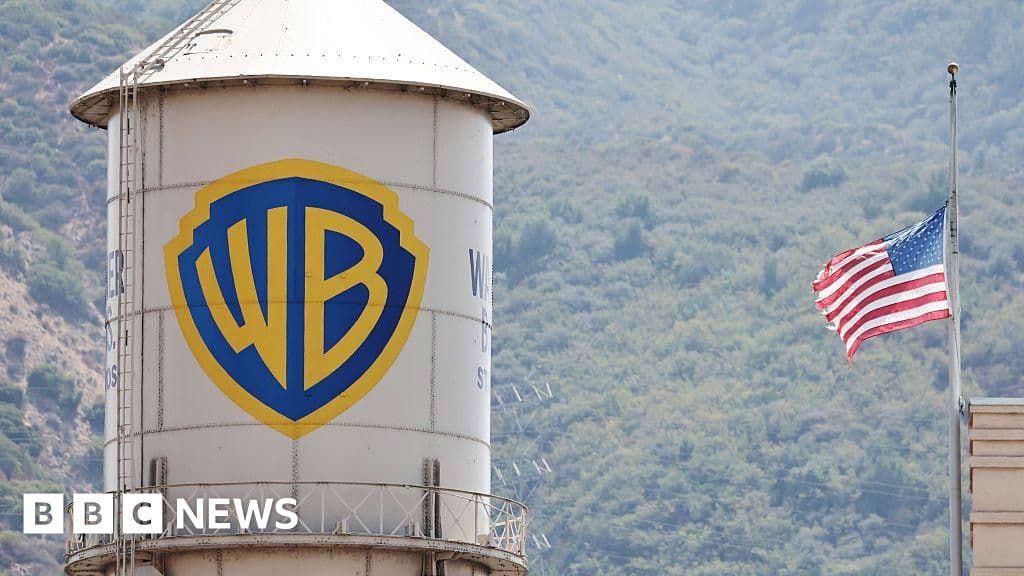
Image: BBC Business
Warner Bros shareholders have approved Paramount's $111B takeover, but regulatory challenges loom. What does this mean for the future of media?
GlipzoIn a pivotal moment for the entertainment industry, Warner Bros Discovery shareholders have officially approved a monumental $111 billion takeover by Paramount. This agreement could reshape the media landscape as we know it, consolidating control over iconic franchises and major networks under one umbrella.
The deal grants Paramount, the owner of Skydance, authority over a vast array of Warner Bros' renowned properties, including blockbuster titles like Harry Potter, Game of Thrones, and the influential news network CNN. Warner Bros chair Samuel DiPiazza expressed optimism about the merger, stating, “With Paramount, we look forward to creating an exceptional combined company that will expand consumer choice and benefit the global creative talent community.”
However, the acquisition is far from a done deal. It still requires the green light from the U.S. Department of Justice and European competition regulators. This regulatory scrutiny is essential, given the potential implications for market competition and consumer choice.
The shareholders' approval comes after a tumultuous period, which included a failed takeover attempt by Netflix. Initially, Netflix sought to acquire Warner Bros but retreated when Paramount submitted a higher bid, indicating the aggressive nature of emerging content competition.
At the helm of Paramount is tech billionaire Larry Ellison, alongside his son David Ellison. Larry Ellison's significant influence in the deal cannot be understated; he is not only a prominent Republican donor but also pivotal in transforming Paramount into a powerhouse within Hollywood. Recently, he hosted a dinner with former President Donald Trump, raising eyebrows and prompting protests from various activists, including actor Mark Ruffalo, who plans to oppose what critics label a “corruption gala.”
The potential implications for CNN are a significant concern, particularly given Trump's history of criticizing the network. He previously stated that CNN's management should not oversee the network's future and suggested that it should be sold as part of any Warner Bros acquisition. This has fueled fears among industry professionals and observers about editorial independence and the future direction of CNN under new ownership.
The merger has not only drawn attention from political figures but has also faced backlash from a host of filmmakers, actors, and directors. Over 1,400 creatives, including notable figures like Emma Thompson, Ben Stiller, and Javier Bardem, signed a letter expressing their concerns. They warned that the merger might lead to: - Fewer opportunities for creators - Job losses across the production ecosystem - Increased production costs - A reduction in audience choices globally
In response to these criticisms, Paramount reassured the public of its dedication to fostering talent and stated its commitment to providing creators with more avenues, not fewer.
Several political figures have also weighed in on the merger. Democrat Senator Elizabeth Warren characterized the deal as an “anti-trust disaster” and has indicated that state attorneys general may take action to prevent it from going through. Warren emphasized, “The Paramount-Warner Bros merger isn't a done deal… we need to keep up this fight.”
Despite the mounting opposition, analysts like Mike Proulx from market research firm Forrester suggest that the deal is likely to receive regulatory approval, particularly in the U.S., while highlighting that the real challenges may come from European regulators. “The real regulatory pressure sits overseas, where European authorities will focus on structural market impact,” Proulx noted, indicating that their scrutiny could influence the final terms of the deal.
In light of the shareholders' approval, expectations are high for the merger's finalization. If all regulatory hurdles are cleared, Paramount will integrate Warner Bros’ HBO Max streaming service into its offerings, alongside gaining ownership of popular networks such as Food Network, Discovery Channel, and a variety of sports programming. Paramount’s existing networks include major brands like Nickelodeon, CBS, and Comedy Central.
As it stands, Paramount expects to finalize the takeover by September, pending necessary regulatory approvals. The outcome of this deal will significantly impact the future of entertainment, as it marks a substantial consolidation of media power.
This merger is critical not only for the companies involved but also for consumers and the broader entertainment industry. The deal could set a precedent for future mergers and acquisitions in the media sector, potentially leading to decreased competition and choice for viewers. Stakeholders, including audiences, industry professionals, and regulators, will be closely watching how this unfolds and what it means for the future of media consumption and production.
The implications of this merger resonate beyond financial metrics, touching on issues of creativity, diversity in storytelling, and the overall health of the media landscape. As regulatory bodies begin their examination, the outcome will shape the narrative of the media industry for years to come.
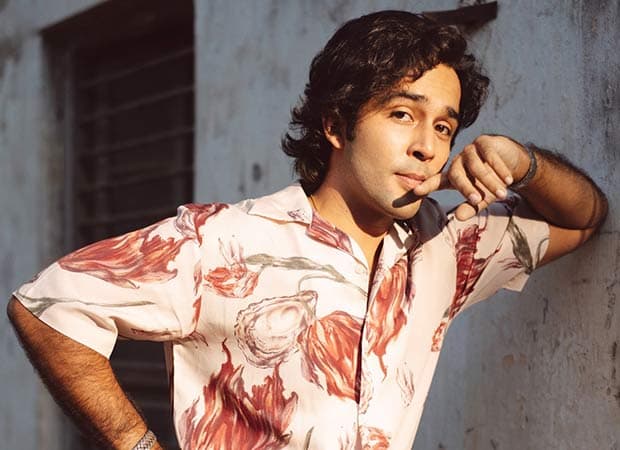
Zahan Kapoor reveals an unconventional role in his upcoming film, signaling a significant shift from his breakout success in Black Warrant. What’s next for this rising star?
Bollywood Hungama
Discover how Vishal Jethwa is transforming his physique for Shakti Shalini, emphasizing the mental discipline behind peak fitness.
Bollywood Hungama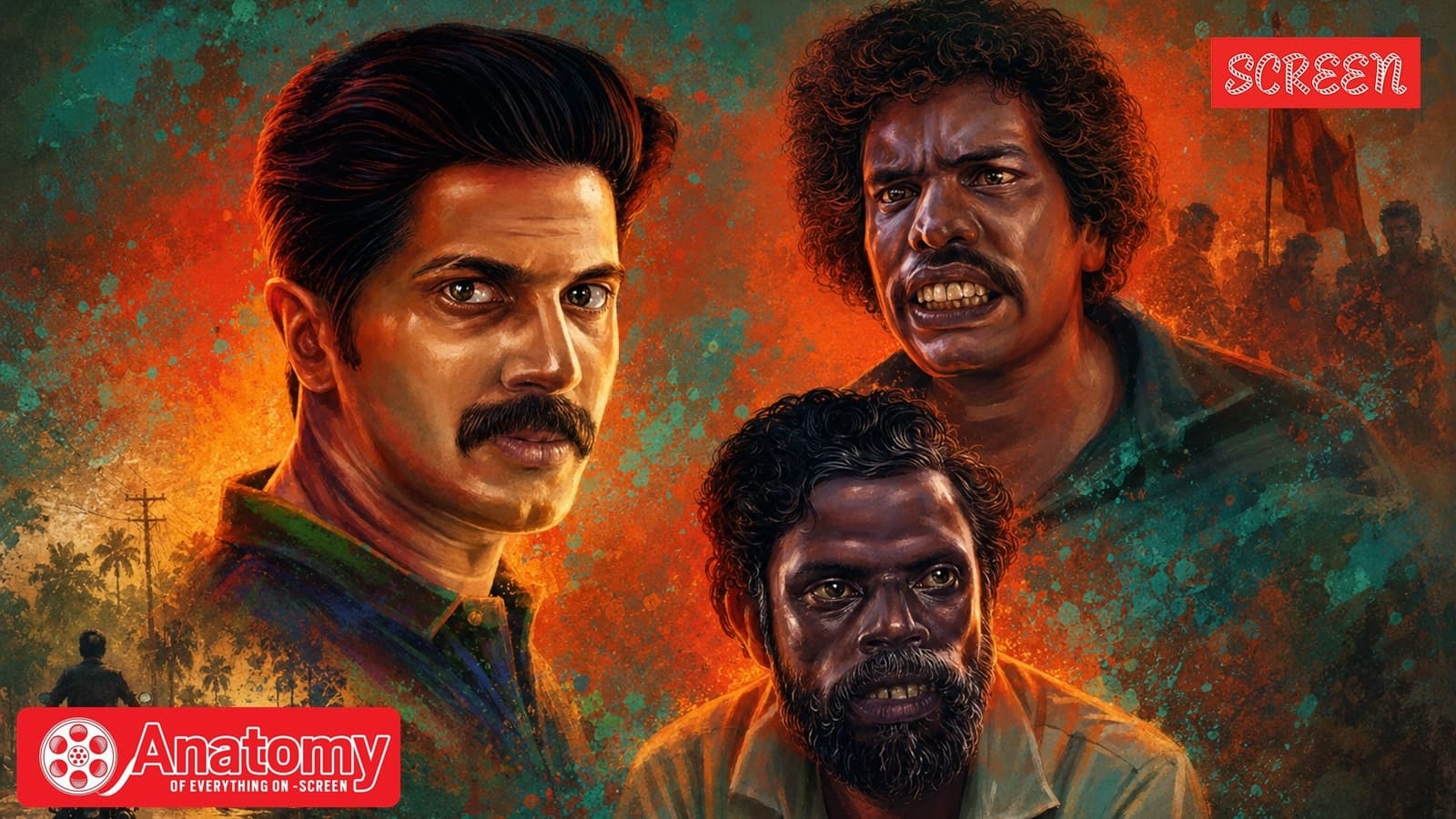
Discover the dark truths of urban development in Kammatipaadam, a film that reveals the often-overlooked sacrifices behind city growth.
Indian Express