

Image: Times of India
USS Tripoli's deployment to Iran signifies a critical U.S. military strategy aimed at disrupting Iranian influence. What will be the consequences?
GlipzoIn a surprising escalation of military presence, the USS Tripoli, an advanced amphibious assault ship, has been deployed toward Iran. This strategic move is seen as part of a broader initiative by the administration of former President Donald Trump to strengthen the United States' stance in the Middle Eastern region. As tensions rise, many are questioning the implications of this deployment, especially regarding Kharg Island, a critical point for Iran’s oil exports.
The USS Tripoli's mission is not merely a show of force; it represents a calculated effort to disrupt Iran's influence over the Strait of Hormuz, a vital waterway through which a significant portion of the world's oil supply passes. The deployment highlights the ongoing geopolitical tug-of-war in the region, as the U.S. seeks to challenge Iran's dominance and ensure the free flow of maritime traffic.
Kharg Island, located in the Persian Gulf, serves as Iran's primary oil export terminal. Control over this strategic location is essential for Iran's economy, as it facilitates the shipping of crude oil to international markets. By focusing on Kharg Island, the U.S. aims to undermine Iran's economic stability and, consequently, its military capabilities.
The ramifications of the USS Tripoli's deployment extend beyond just military strategy; they touch on global economic stability and energy security. As the U.S. seeks to fortify its position, questions arise regarding how Iran will respond to this perceived threat.
The decision to send USS Tripoli to the region aligns with a broader strategy articulated by Trump’s administration, which has taken a hardline approach towards Iran. During his presidency, Trump often emphasized the need to counter Iranian aggression and safeguard U.S. interests abroad. This latest deployment appears to be a continuation of that policy, aimed at deterring Iran from assertive actions in the Gulf.
By increasing military assets in the Gulf, the U.S. hopes to create an environment that discourages hostile actions from Iran, potentially leading to a de-escalation of tensions. However, such a strategy is fraught with risks, and the situation could easily spiral into conflict if not handled delicately.
As USS Tripoli moves closer to Iran, all eyes are on Tehran's potential reaction. Analysts speculate that Iran may respond with a combination of military posturing and diplomatic efforts to rally support against what it perceives as U.S. aggression. The potential for increased naval confrontations in the Gulf raises alarms among international observers.
The deployment of USS Tripoli could mark a pivotal moment in U.S.-Iran relations, with possible reverberations felt globally. It underscores the complexity of the geopolitical landscape, where military, economic, and diplomatic factors intertwine. As the situation evolves, it will be crucial for policymakers to navigate the challenges thoughtfully to prevent escalation.
The significance of the USS Tripoli's deployment cannot be overstated. It not only reflects the U.S. commitment to maintaining stability in a volatile region but also serves as a reminder of the delicate balance of power that exists in the Middle East. The potential for conflict looms large, and how various actors respond will shape the future of U.S.-Iran relations and influence global energy markets.
The coming weeks will likely be critical for determining whether this military maneuver leads to increased tensions or if it ultimately encourages diplomatic dialogue. As the world watches, the stakes are high, and the outcomes uncertain.
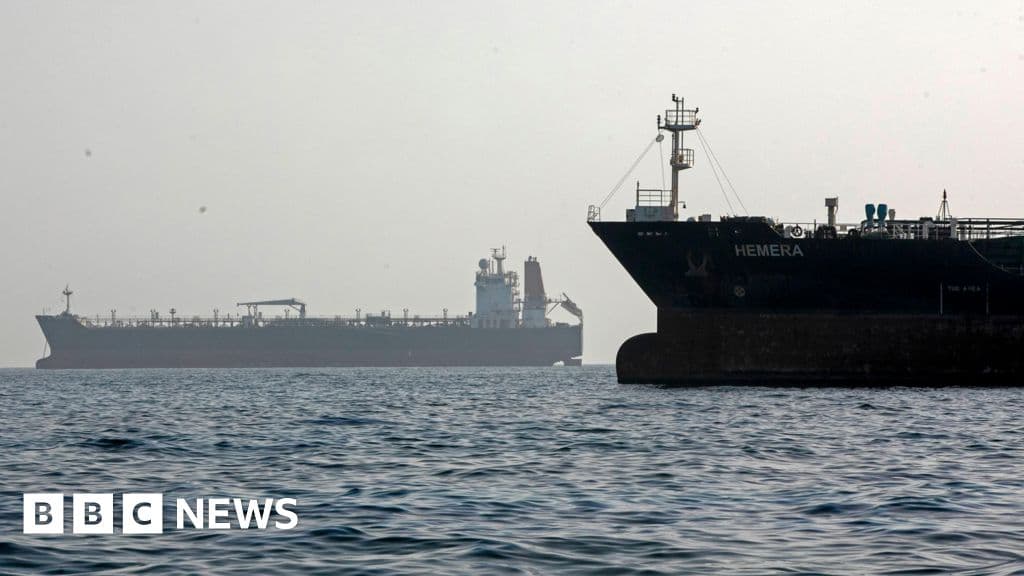
Tensions soar as the US and Iran engage in air strikes near the Strait of Hormuz, raising concerns over global oil supply and regional stability.
BBC World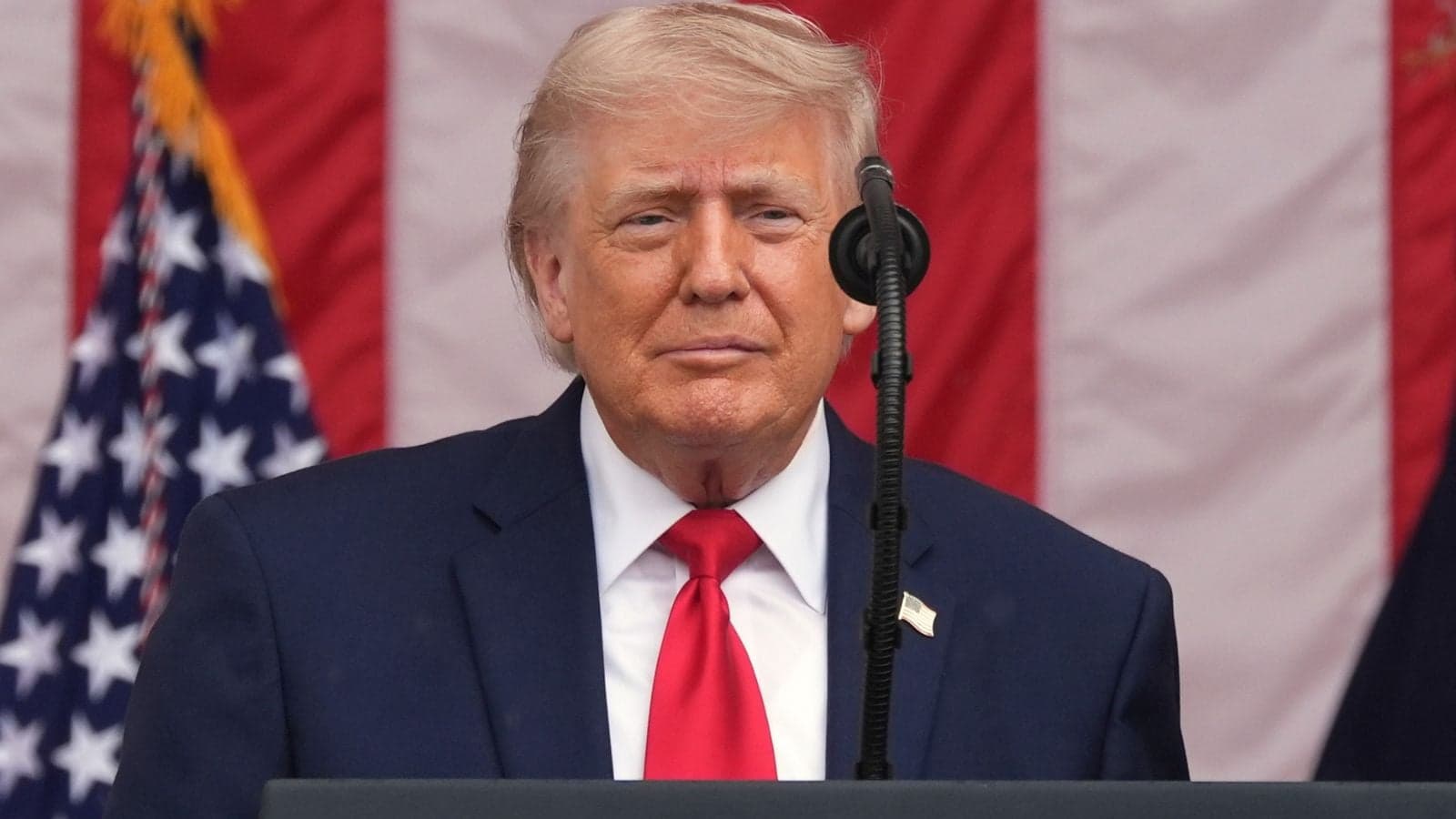
Trump's international interventions face serious stalemates. What will this mean for U.S. foreign policy? Explore the critical challenges ahead.
Indian Express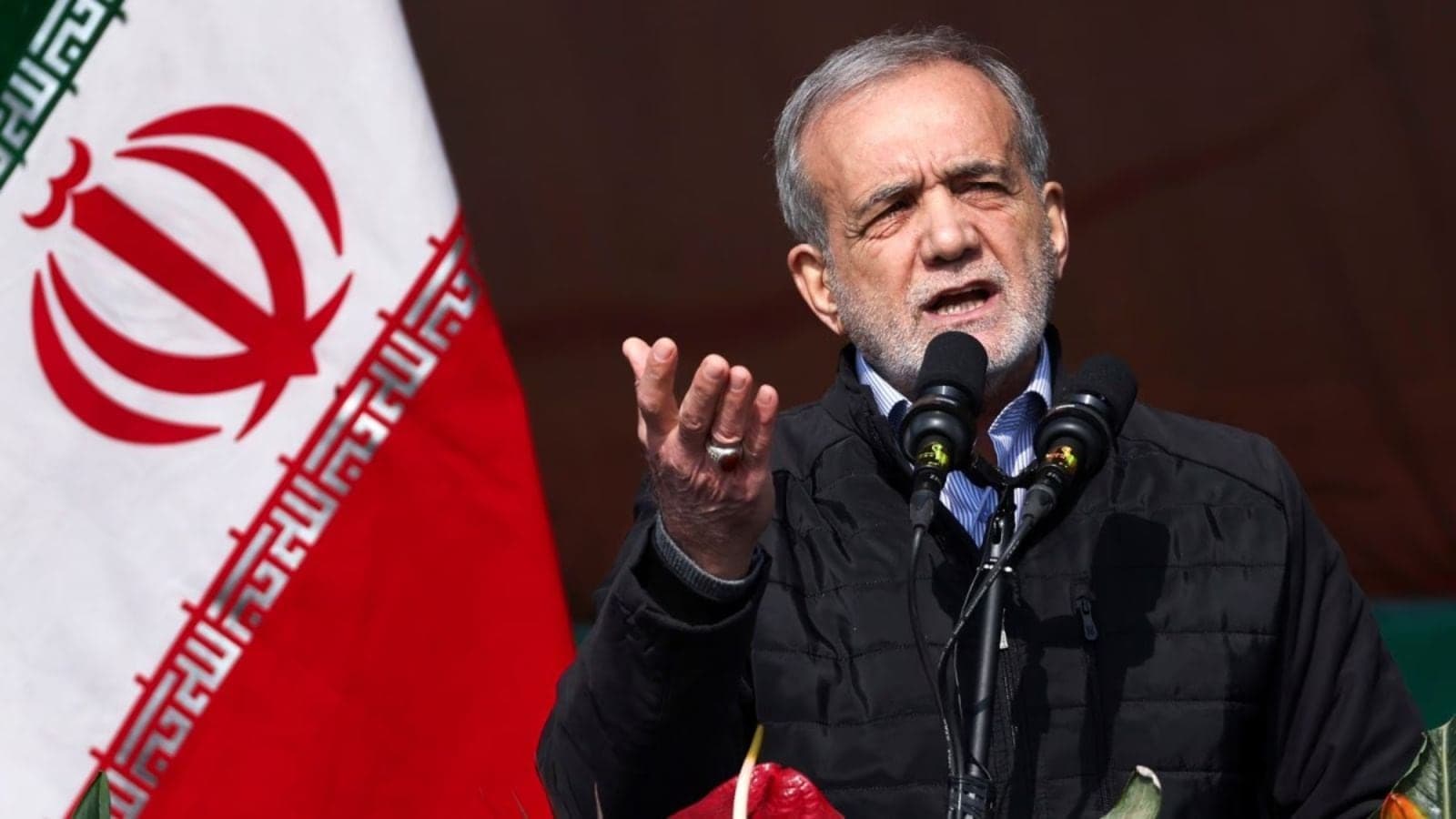
Tehran denies resignation of President Masoud Pezeshkian amid claims of IRGC influence. What does this mean for Iran's political stability? Click to learn more!
Indian Express