
Glipzo
WorldTechnologyBusinessSportsEntertainmentScienceHealthPolitics
Glipzo
WorldTechnologyBusinessSportsEntertainmentScienceHealthPolitics
  1. Home
  2. /
  3. Politics
  4. /
  5. Breaking: US Military Strikes Target Iranian Missile Sites
Breaking: US Military Strikes Target Iranian Missile Sites

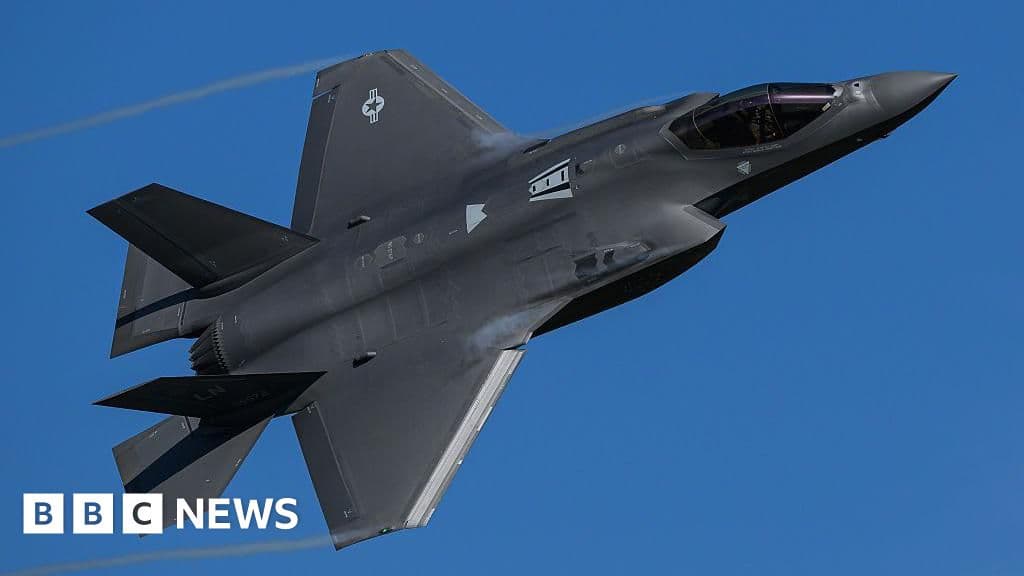
Image: BBC World

Politics
Tuesday, May 26, 20264 min read

Breaking: US Military Strikes Target Iranian Missile Sites

The US military has launched new strikes in southern Iran, targeting missile sites. What does this mean for ongoing negotiations and regional stability?

Glipzo News Desk|Source: BBC World
Share
Glipzo

Key Highlights

  • US military strikes target Iranian missile sites in self-defense.
  • Ceasefire holds since April 8, but tensions escalate.
  • Iran's uranium enrichment raises nuclear concerns globally.
  • Diplomatic talks continue amid military actions in the region.

In this article

  • US Military Takes Action Against Iranian Threats The **US military** has conducted new airstrikes in **southern Iran**, specifically targeting Iranian missile installations and vessels suspected of laying mines in strategic waterways. These actions were characterized by the US Central Command as necessary measures taken in **self-defense** to safeguard American troops against perceived threats from Iranian forces.
  • Context: Ceasefire and Negotiations in Play The strikes occurred amid a backdrop of diplomatic discussions between the US and Iran. **Esmail Baqai**, the spokesperson for Iran's foreign ministry, acknowledged some advancements in dialogue with the US but warned that a conclusive agreement to resolve the ongoing conflict is not forthcoming. While President **Donald Trump** hinted at potential progress in negotiations, he later advised his team to refrain from rushing into any agreements, indicating the complexities involved.
  • The Stakes: Nuclear Ambitions and Regional Stability The discussions between the US and Iran reportedly center around a proposed **60-day ceasefire extension** and the reopening of the **Strait of Hormuz** for safe passage. A key component of these negotiations also involves a plan for future talks regarding Iran's nuclear program. Notably, US intelligence has indicated that **Mojtaba Khamenei**, Iran's Supreme Leader, is currently in a secure, undisclosed location following an Israeli strike that resulted in the death of his father. This situation is believed to complicate communications and negotiations between Iranian officials and US representatives.
  • Complications in Diplomatic Engagements Despite the apparent setbacks, top Iranian negotiators and foreign ministers are actively engaged in discussions in **Doha** with Qatari officials to explore potential agreements with the US. This ongoing dialogue demonstrates that while military actions are indeed escalating, diplomatic channels remain open.
  • Broader Implications: Oil Prices and Global Markets The wider ramifications of the conflict have already been felt globally, particularly in the oil markets. The US and Israel initiated extensive strikes on Iran on **February 28**, which triggered a series of retaliatory actions from Iran, including attacks on US-aligned states and the closure of the **Strait of Hormuz**. This closure has led to a dramatic surge in oil prices, illustrating how regional conflicts can have far-reaching effects on international economies.
  • What Lies Ahead: Observing Future Developments Looking forward, several key factors will determine the trajectory of US-Iran relations: - **Continued Military Engagement**: Will the US conduct further strikes in response to perceived threats? - **Diplomatic Progress**: How will ongoing negotiations evolve, especially with Iran's leadership in a precarious position? - **Impact on Global Markets**: Will tensions in the region continue to affect global oil prices and economic stability?

US Military Takes Action Against Iranian Threats The **US military** has conducted new airstrikes in **southern Iran**, specifically targeting Iranian missile installations and vessels suspected of laying mines in strategic waterways. These actions were characterized by the US Central Command as necessary measures taken in **self-defense** to safeguard American troops against perceived threats from Iranian forces.

In a statement, Central Command spokesperson Captain Tim Hawkins emphasized the importance of protecting US personnel while maintaining restraint during the ongoing ceasefire. This latest military action raises questions about the stability of the current ceasefire and the potential for ongoing negotiations between the US and Iran.

Context: Ceasefire and Negotiations in Play The strikes occurred amid a backdrop of diplomatic discussions between the US and Iran. **Esmail Baqai**, the spokesperson for Iran's foreign ministry, acknowledged some advancements in dialogue with the US but warned that a conclusive agreement to resolve the ongoing conflict is not forthcoming. While President **Donald Trump** hinted at potential progress in negotiations, he later advised his team to refrain from rushing into any agreements, indicating the complexities involved.

The operational area for the strikes was near Bandar Abbas, a significant port city and naval base located along the Strait of Hormuz, a critical maritime corridor. Following these explosions, local Iranian officials in Bandar Abbas initiated investigations, although Iran's official response to the strikes remains pending.

The Stakes: Nuclear Ambitions and Regional Stability The discussions between the US and Iran reportedly center around a proposed **60-day ceasefire extension** and the reopening of the **Strait of Hormuz** for safe passage. A key component of these negotiations also involves a plan for future talks regarding Iran's nuclear program. Notably, US intelligence has indicated that **Mojtaba Khamenei**, Iran's Supreme Leader, is currently in a secure, undisclosed location following an Israeli strike that resulted in the death of his father. This situation is believed to complicate communications and negotiations between Iranian officials and US representatives.

The potential implications of these strikes extend beyond immediate military concerns. Reports suggest that Iran had amassed approximately 440 kg (970 lbs) of uranium enriched to 60% purity, a level dangerously close to weapons-grade material. This raises serious alarms regarding Iran's nuclear ambitions and the future of regional security. President Trump has insisted that this enriched uranium must either be returned to the US or destroyed, highlighting the urgency of the situation.

Complications in Diplomatic Engagements Despite the apparent setbacks, top Iranian negotiators and foreign ministers are actively engaged in discussions in **Doha** with Qatari officials to explore potential agreements with the US. This ongoing dialogue demonstrates that while military actions are indeed escalating, diplomatic channels remain open.

As the US and Iranian forces have adhered to a ceasefire since April 8, the delicate balance of power in the region remains in flux. The US Navy, for its part, has sought to enforce a blockade on Iranian ports while Iran has continued to exert control over shipping in the Gulf.

Broader Implications: Oil Prices and Global Markets The wider ramifications of the conflict have already been felt globally, particularly in the oil markets. The US and Israel initiated extensive strikes on Iran on **February 28**, which triggered a series of retaliatory actions from Iran, including attacks on US-aligned states and the closure of the **Strait of Hormuz**. This closure has led to a dramatic surge in oil prices, illustrating how regional conflicts can have far-reaching effects on international economies.

As the situation evolves, the international community is closely monitoring the actions of both the US and Iran. The potential for an agreement remains, but the complexities of the negotiations—especially regarding contentious issues like sanctions relief and nuclear oversight—suggest that a resolution may not be imminent.

What Lies Ahead: Observing Future Developments Looking forward, several key factors will determine the trajectory of US-Iran relations: - **Continued Military Engagement**: Will the US conduct further strikes in response to perceived threats? - **Diplomatic Progress**: How will ongoing negotiations evolve, especially with Iran's leadership in a precarious position? - **Impact on Global Markets**: Will tensions in the region continue to affect global oil prices and economic stability?

As both countries navigate this complex landscape, the world watches closely to see if diplomatic resolutions can prevail over military actions, and what that means for the broader geopolitical landscape. The delicate balance of power in the Middle East hangs in the balance as both sides weigh their options in pursuit of peace or continued conflict.

Did you find this article useful? Share it!

Share

Related Articles

Critical Air Strikes Erupt Between US and Iran in Gulf Region
Politics
Jun 1, 2026

Critical Air Strikes Erupt Between US and Iran in Gulf Region

Tensions soar as the US and Iran engage in air strikes near the Strait of Hormuz, raising concerns over global oil supply and regional stability.

BBC World

Trump Faces Stalemate in International Military Strategy
Politics
Jun 1, 2026

Trump Faces Stalemate in International Military Strategy

Trump's international interventions face serious stalemates. What will this mean for U.S. foreign policy? Explore the critical challenges ahead.

Indian Express

Tehran Denies Rumors of President Pezeshkian’s Resignation
Politics
Jun 1, 2026

Tehran Denies Rumors of President Pezeshkian’s Resignation

Tehran denies resignation of President Masoud Pezeshkian amid claims of IRGC influence. What does this mean for Iran's political stability? Click to learn more!

Indian Express

Categories

  • World
  • Technology
  • Business
  • Sports

More

  • Entertainment
  • Science
  • Health
  • Politics

Explore

  • Web Stories
  • About Us
  • Contact

Legal

  • Privacy Policy
  • Terms of Service
  • Disclaimer

© 2026 Glipzo. All rights reserved.