
Image: BBC World
US military strikes on Iran escalate tensions amid fragile ceasefire. What does this mean for global energy prices and future negotiations?
GlipzoIn a significant escalation of tensions, the US military has conducted new strikes on an Iranian military installation located in Bandar Abbas, a crucial port city. This operation, confirmed by US Central Command (Centcom), comes amid ongoing negotiations aimed at maintaining a fragile ceasefire between the two nations. The military actions occurred as Centcom reported successfully intercepting four Iranian one-way attack drones that posed a threat near the Strait of Hormuz.
The targeted strikes on the Iranian ground control station were executed just as it prepared to launch another drone, marking a critical moment in the ongoing conflict. Reports from Iranian media indicate that explosions were audible in the eastern regions of Bandar Abbas, heightening concerns over regional stability.
These military actions are taking place during a delicate period of negotiations aimed at resolving a three-month conflict that has severely disrupted traffic through the Strait of Hormuz, a vital passageway for global energy trade. The escalation has not only affected military dynamics but has also contributed to soaring global energy prices, drawing the attention of international markets.
Centcom has characterized its operations as “measured, purely defensive,” asserting that the strikes are intended to uphold the ceasefire rather than exacerbate tensions. This assertion, however, comes at a time when diplomatic relations remain precarious, with both sides navigating a complex web of military and political maneuvers.
During a cabinet meeting on Wednesday, President Donald Trump commented on the situation, suggesting that Iran is “negotiating on fumes.” He emphasized that his military strategy would remain unaffected by the upcoming November midterm elections. Trump stated, “Maybe we have to go back and finish it, maybe we don’t,” indicating a willingness to escalate military actions if necessary.
Additionally, he urged Gulf nations to support the Abraham Accords aimed at normalizing relations with Israel, a nation that has been actively involved in the conflict with Iran and its allied forces, including Hezbollah in Lebanon. The president's remarks underscore the complex interplay between military strategies and diplomatic negotiations in the region.
The president's rhetoric also included threats of resuming a large-scale bombing campaign should Iran fail to comply with US demands. While Trump had previously expressed optimism about a potential peace deal with Iran, stating it had been “largely negotiated,” his tone shifted during the cabinet meeting to reflect dissatisfaction with the current state of negotiations.
Earlier in the week, Centcom confirmed a previous round of strikes, described as “self-defense” missions targeting Iranian missile sites and vessels attempting to lay mines in the waters. These operations were framed as necessary to safeguard US forces from perceived threats posed by Iranian military actions.
In response to the latest US strikes, Iran condemned the actions as a “grave violation of the ceasefire,” asserting that the Iranian government would not tolerate hostile actions without response. The Islamic Revolutionary Guard Corps (IRGC) claimed to have downed a US drone and engaged a fighter jet and another drone that allegedly entered Iranian airspace, signaling a readiness to retaliate against what they view as breaches of the ceasefire.
The IRGC emphasized that Iran has the “legitimate and definite” right to respond to any US actions deemed hostile. This statement reflects the heightened tensions and the potential for further military engagement, should either side choose to escalate the conflict.
The ongoing military actions and diplomatic negotiations between the US and Iran are critical not only for regional stability but also for global energy markets. The Strait of Hormuz is a pivotal route for oil shipments, and any disruption could lead to significant increases in energy prices worldwide. Furthermore, the outcome of these negotiations and military engagements could reshape the geopolitical landscape in the Middle East for years to come.
As the situation unfolds, key points to monitor include: - Future US military actions in response to Iranian activities. - Iran's military capabilities and potential retaliatory measures. - The effectiveness of ongoing diplomatic negotiations and their impact on the ceasefire. - The reactions of Gulf nations regarding the Abraham Accords and their role in regional peace efforts.
In conclusion, the current conflict and negotiations between the US and Iran are at a critical juncture. Observers are left to ponder what the next steps will be, both in terms of military engagement and diplomatic resolution. The coming weeks will be crucial in determining the future of US-Iran relations and stability in the Middle East.

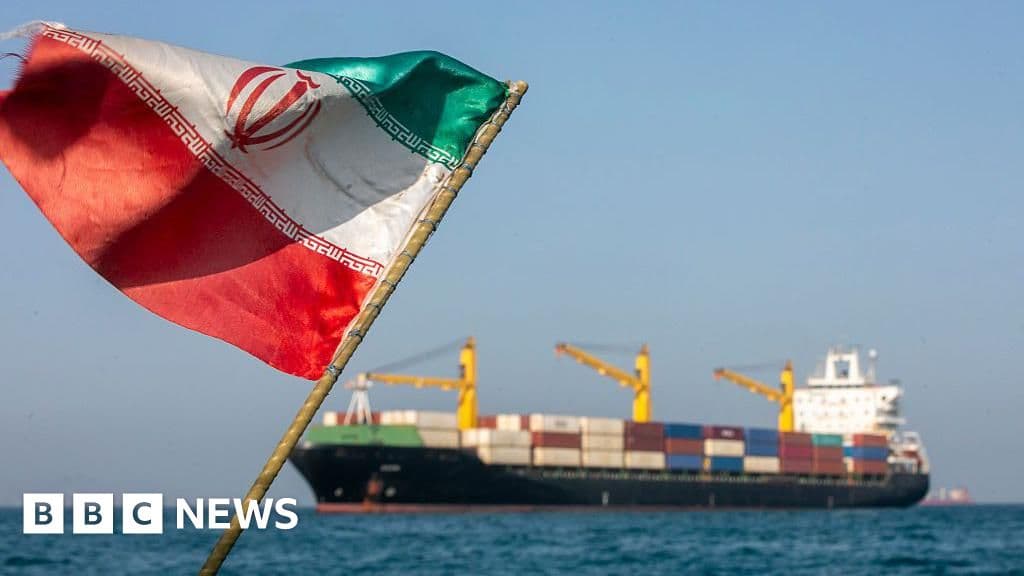
Tensions soar as the US and Iran engage in air strikes near the Strait of Hormuz, raising concerns over global oil supply and regional stability.
BBC World
Trump's international interventions face serious stalemates. What will this mean for U.S. foreign policy? Explore the critical challenges ahead.
Indian Express
Tehran denies resignation of President Masoud Pezeshkian amid claims of IRGC influence. What does this mean for Iran's political stability? Click to learn more!
Indian Express