
Image: Indian Express
U.S. forces conducted self-defense strikes in Iran targeting missile sites while negotiations continue. What does this mean for regional stability? Find out more.
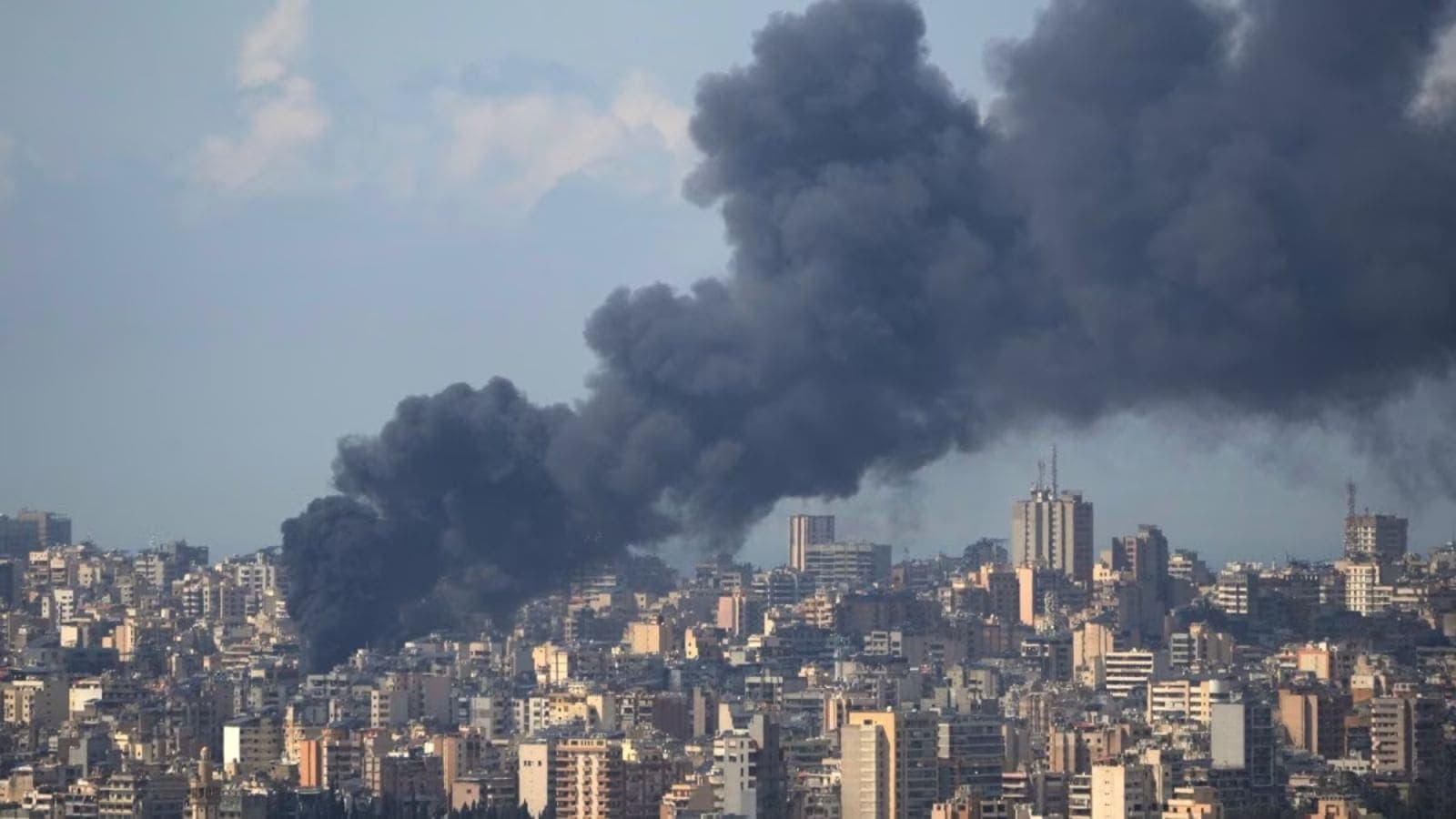
GlipzoIn a significant escalation in the Middle East, U.S. forces have conducted self-defense strikes in southern Iran, targeting missile launch sites and vessels suspected of laying mines. This military action comes at a time when President Donald Trump has indicated that negotiations with Iran are "proceeding nicely" despite ongoing tensions. The strikes were confirmed by Captain Tim Hawkins, a spokesman for the U.S. Central Command (CENTCOM), who emphasized that the operations aimed to protect American personnel from emerging threats posed by Iranian military units.
The military action unfolded near Bandar Abbas, strategically located close to the Strait of Hormuz, a crucial maritime route for global oil shipping. Reports from Iranian media indicated explosions in the vicinity; however, Iranian officials later assured that the situation was under control. CENTCOM has stated that these strikes occurred without disrupting the current ceasefire, which has been in effect since April.
Though the exact nature of the threats and the extent of damage from the strikes remain unclear, this military action underscores the precarious security situation in the region. The strikes come amidst ongoing talks between Washington and Tehran aimed at resolving a conflict that has escalated since February, following U.S. and Israeli attacks on Iranian installations.
In a related diplomatic development, President Trump has articulated his vision for any potential agreement with Iran, suggesting that it should encompass broader regional commitments. He proposed that several nations, including Saudi Arabia, Pakistan, Turkey, Egypt, and Jordan, should sign onto the Abraham Accords, which aim to normalize relations with Israel.
On social media, Trump stated, "After all the work done by the United States… it should be mandatory that these countries sign onto the Abraham Accords." This assertion could complicate the delicate negotiations with Iran, particularly as Saudi Arabia has indicated that any normalization of ties hinges on progress towards Palestinian statehood, while Pakistan currently lacks diplomatic relations with Israel.
The suggestion to involve additional countries in the negotiations adds a layer of complexity to an already intricate diplomatic process. Former Pakistani ambassador Masood Khan noted, "It gives a new dimension to the diplomatic process," emphasizing that discussions are still ongoing and multifaceted.
Moreover, President Trump reiterated his stance on a critical issue during the negotiations—the demand for Iran to eliminate or destroy its enriched uranium under international supervision. This remains one of the most contentious topics in the ongoing talks, leaving observers questioning when a conclusive agreement might materialize.
The recent military strikes and diplomatic maneuvers are pivotal in understanding the complex dynamics of U.S.-Iran relations. They not only highlight the immediate security concerns in the Gulf region but also reflect the broader geopolitical strategies at play. The involvement of multiple nations in the negotiations could redefine alliances and create new challenges in achieving a sustainable peace.
As the situation unfolds, several key factors will likely influence the trajectory of U.S.-Iran relations: - Continued Diplomatic Engagement: Will talks between Washington and Tehran yield a breakthrough, or will tensions escalate further? - Impact on Regional Alliances: How will the proposed inclusion of other countries in the negotiations reshape existing alliances in the Middle East? - Public and Political Reaction: What will be the domestic and international response to U.S. military actions and Trump’s diplomatic proposals?
In conclusion, the delicate balance of military action and diplomatic negotiation continues to shape the future of U.S.-Iran relations. Observers will be keenly watching for any shifts in strategy or announcements from both sides over the coming weeks, as the international community grapples with the implications of these developments.
---

Tensions soar as the US and Iran engage in air strikes near the Strait of Hormuz, raising concerns over global oil supply and regional stability.
BBC World
Trump's international interventions face serious stalemates. What will this mean for U.S. foreign policy? Explore the critical challenges ahead.
Indian Express
Tehran denies resignation of President Masoud Pezeshkian amid claims of IRGC influence. What does this mean for Iran's political stability? Click to learn more!
Indian Express