Glipzo
WorldTechnologyBusinessSportsEntertainmentScienceHealthPolitics
Glipzo
WorldTechnologyBusinessSportsEntertainmentScienceHealthPolitics
  1. Home
  2. /
  3. World
  4. /
  5. Breaking: US Journalist Shelly Kittleson Freed from Iraq Captivity
Breaking: US Journalist Shelly Kittleson Freed from Iraq Captivity

Image: BBC World

World
Wednesday, April 8, 20264 min read

Breaking: US Journalist Shelly Kittleson Freed from Iraq Captivity

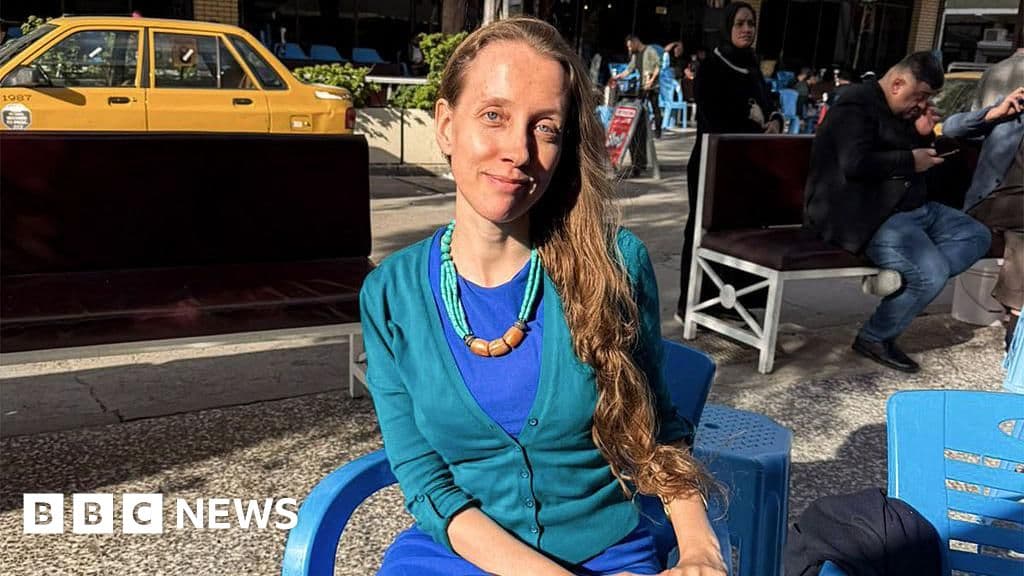
US journalist Shelly Kittleson has been released after a week in captivity in Iraq, raising concerns about journalist safety amidst escalating regional tensions.

Glipzo News Desk|Source: BBC World
Share
Glipzo

Key Highlights

  • Shelly Kittleson freed after week-long kidnapping in Iraq.
  • US Secretary of State confirms Kittleson's release and safety efforts.
  • Kataib Hezbollah links release to immediate exit from Iraq.
  • Warnings issued to Kittleson about threats from Iranian paramilitaries.
  • Rising tensions in Iraq highlight risks for foreign journalists.

In this article

  • US Journalist Shelly Kittleson Released After Week of Captivity A **US freelance journalist**, **Shelly Kittleson**, has been freed after being kidnapped in **Baghdad** a week prior to her release. The announcement came from **Secretary of State Marco Rubio**, who confirmed that Kittleson’s release was facilitated by **Iran-backed militia group Kataib Hezbollah**. The militia stated that her release was contingent upon her immediate exit from Iraq.
  • Details Surrounding the Abduction and Release The **49-year-old journalist** was reportedly taken by armed individuals in Baghdad, prompting immediate action from Iraqi security forces. Following the abduction, Iraqi authorities engaged in a pursuit that led to the arrest of one suspect after their vehicle overturned. Simultaneously, **Iraqi Prime Minister Mohammed Shiaa al-Sudani** ordered security forces to intensify their efforts to apprehend those responsible for the kidnapping of foreigners.
  • Context of Rising Tensions in Iraq Kittleson’s kidnapping occurred amid a spate of attacks on US-associated targets by Iranian and allied Iraqi Shia militias, coinciding with the escalation of conflict in the region. The **US-Israeli war on Iran** has intensified hostilities, putting foreign journalists and civilians at increased risk.
  • Warnings and Precautions Issued to Kittleson Prior to her kidnapping, US officials had repeatedly contacted Kittleson to inform her about potential threats against her. Reports indicate that she had been warned about a specific target list that included her name, allegedly maintained by **Kataib Hezbollah**, which was reportedly plotting the abduction or harm of female journalists. This raises significant concerns about the safety protocols in place for journalists working in dangerous areas.
  • Why This Matters The release of Shelly Kittleson underscores the precarious nature of journalism in conflict zones, particularly in regions where foreign interests are entwined with local militias. The event not only highlights the risks faced by journalists but also raises crucial questions about the effectiveness of government warnings and the support systems available for media professionals in hostile environments.
  • Forward-Looking Analysis Moving forward, attention will be drawn to the actions taken by Iraqi security forces following Kittleson’s release and any potential repercussions for **Kataib Hezbollah**. The international community will likely scrutinize how the US engages with local militias and the steps they implement to protect journalists.

US Journalist Shelly Kittleson Released After Week of Captivity A **US freelance journalist**, **Shelly Kittleson**, has been freed after being kidnapped in **Baghdad** a week prior to her release. The announcement came from **Secretary of State Marco Rubio**, who confirmed that Kittleson’s release was facilitated by **Iran-backed militia group Kataib Hezbollah**. The militia stated that her release was contingent upon her immediate exit from Iraq.

The abduction, which occurred on March 31, has raised concerns about the safety of journalists operating in conflict zones. Kittleson’s release highlights the ongoing risks faced by foreign correspondents in Iraq, particularly amidst heightened tensions following the recent escalation of violence in the region.

Rubio expressed gratitude towards Iraqi officials for their assistance in securing Kittleson’s release. He emphasized the commitment of the US government to ensuring the safety of its citizens abroad. “This reflects the Trump Administration's steadfast commitment to the safety and security of American citizens, no matter where they are in the world,” he stated.

Details Surrounding the Abduction and Release The **49-year-old journalist** was reportedly taken by armed individuals in Baghdad, prompting immediate action from Iraqi security forces. Following the abduction, Iraqi authorities engaged in a pursuit that led to the arrest of one suspect after their vehicle overturned. Simultaneously, **Iraqi Prime Minister Mohammed Shiaa al-Sudani** ordered security forces to intensify their efforts to apprehend those responsible for the kidnapping of foreigners.

In a troubling twist, Kataib Hezbollah announced plans to release a recording that purportedly details Kittleson’s “role and activities in Iraq.” However, specifics surrounding this recording remain unclear, raising further questions about the circumstances of her abduction.

Context of Rising Tensions in Iraq Kittleson’s kidnapping occurred amid a spate of attacks on US-associated targets by Iranian and allied Iraqi Shia militias, coinciding with the escalation of conflict in the region. The **US-Israeli war on Iran** has intensified hostilities, putting foreign journalists and civilians at increased risk.

Alex Plitsas, a CNN national security analyst and Kittleson’s emergency contact, shared his concerns regarding the situation. He mentioned that although he had seen the militia's statement about her release, there was no official confirmation from the US government at that time.

Warnings and Precautions Issued to Kittleson Prior to her kidnapping, US officials had repeatedly contacted Kittleson to inform her about potential threats against her. Reports indicate that she had been warned about a specific target list that included her name, allegedly maintained by **Kataib Hezbollah**, which was reportedly plotting the abduction or harm of female journalists. This raises significant concerns about the safety protocols in place for journalists working in dangerous areas.

Kittleson, who operates out of Rome, Italy, is known for her extensive reporting in conflict zones like Afghanistan, Iraq, and Syria. Her professional background includes contributions to various publications, adding to the urgency of her situation. The US State Department continues to advise against travel to Iraq due to the volatile security environment.

Why This Matters The release of Shelly Kittleson underscores the precarious nature of journalism in conflict zones, particularly in regions where foreign interests are entwined with local militias. The event not only highlights the risks faced by journalists but also raises crucial questions about the effectiveness of government warnings and the support systems available for media professionals in hostile environments.

As the situation unfolds, it will be critical to monitor the reactions from both US and Iraqi governments regarding the safety of journalists and measures taken to protect them. The implications for foreign policy and the safeguarding of press freedoms in Iraq will be significant as the region continues to navigate its complex political landscape.

Forward-Looking Analysis Moving forward, attention will be drawn to the actions taken by Iraqi security forces following Kittleson’s release and any potential repercussions for **Kataib Hezbollah**. The international community will likely scrutinize how the US engages with local militias and the steps they implement to protect journalists.

The discourse surrounding the safety of reporters in Iraq will also gain traction, prompting calls for more robust protective measures. As Kittleson prepares to leave Iraq, her experience serves as a cautionary tale for journalists operating in similar contexts, underscoring the urgency for improved safety protocols in conflict zones worldwide.
Did you find this article useful? Share it!

Share

Related Articles

Harry and Meghan Visit Australia: Public Reaction Revealed
World
Apr 14, 2026

Harry and Meghan Visit Australia: Public Reaction Revealed

Discover the mixed public reactions to Harry and Meghan's visit to Australia, set against the backdrop of a recent tragedy at Bondi Beach.

BBC World
Breaking: BBC Reports from War-Torn Lebanon Amid Crisis
World
Apr 14, 2026

Breaking: BBC Reports from War-Torn Lebanon Amid Crisis

Discover the chilling realities of the ongoing conflict in Lebanon as the BBC reports from the ground. What does the future hold for this war-torn region?

BBC World
Tragic Stampede Claims Lives at Haitian Tourist Site
World
Apr 13, 2026

Tragic Stampede Claims Lives at Haitian Tourist Site

A tragic stampede at the Laferrière Citadel in Haiti leaves 30 feared dead during a crowded Easter event. What led to this disaster, and what’s next?

BBC World

Categories

  • World
  • Technology
  • Business
  • Sports

More

  • Entertainment
  • Science
  • Health
  • Politics

Explore

  • Web Stories
  • About Us
  • Contact

Legal

  • Privacy Policy
  • Terms of Service

© 2026 Glipzo. All rights reserved.