
Image: BBC World
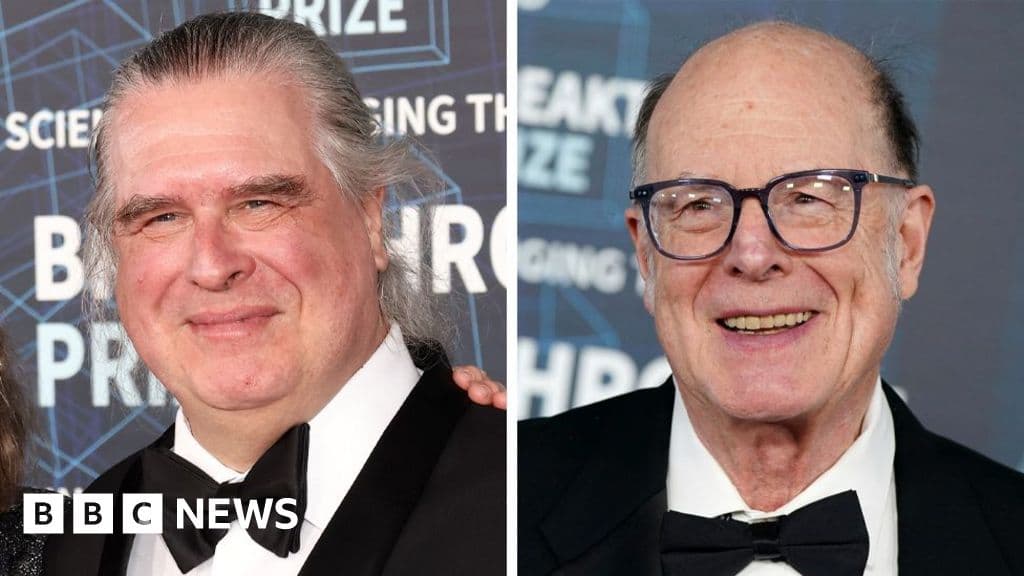
Discover how Charles Bennett and Gilles Brassard's quantum cryptography won them this year’s Turing Award and its implications for future secure communication.
GlipzoIn a landmark achievement for the field of computer science, Charles H. Bennett and Gilles Brassard have been awarded this year's Turing Award for their groundbreaking work in quantum cryptography. Their innovative contributions, which originated in 1984, have transformed the landscape of secure communication and computing. The Turing Award, often dubbed the "Nobel Prize of Computing," is presented by the Association for Computing Machinery (ACM) and comes with a prize of $1 million.
Bennett, an esteemed physicist at IBM in New York, and Brassard, a distinguished professor at the University of Montreal, first crossed paths at an academic conference in Puerto Rico in 1979. Their chance meeting during a swimming break led to a conversation that would ultimately change the way we think about security in electronic communications. The duo proposed the idea of creating a banknote that could not be counterfeited, which marked the beginning of their long-standing collaboration.
Their seminal work, known as BB84, leverages the principles of quantum physics to create a form of encryption that is theoretically unbreakable. Unlike traditional encryption methods that depend on complex mathematical algorithms, Bennett and Brassard’s technique utilizes the unique properties of quantum particles, such as electrons and photons, to ensure that any interception or copying of the encryption key alters its very nature. This means that an attempt to hack the system would be instantly detectable, providing a robust level of security that current technologies cannot achieve.
This breakthrough is incredibly timely, as the world is rapidly moving towards a data-driven future, where electronic communication is paramount. As quantum computing technology advances, many existing encryption methods could become vulnerable, prompting a pressing need for more secure alternatives. Bennett and Brassard’s work positions itself as a vital defense against these emerging threats.
The Turing Award's recognition of Bennett and Brassard is not just a testament to their individual talents, but also highlights the importance of collaborative innovation in technology. The Association for Computing Machinery expressed that their research represents a significant step forward in securing digital communications for years to come. With threats to cybersecurity escalating, their contributions are more relevant than ever.
As we look forward, the implications of Bennett and Brassard's work extend far beyond the award ceremony. Their research will likely influence the development of future technologies, especially in sectors such as finance, healthcare, and national security, where data integrity and confidentiality are critical. The advancing capabilities of quantum computing pose both challenges and opportunities, making it essential for researchers and businesses to adapt to new security paradigms.
In a world increasingly reliant on digital communication, the significance of their work cannot be overstated. As organizations begin to adopt quantum cryptographic methods, we may see a shift in how data is protected, leading to a more secure digital landscape.
In conclusion, the Turing Award bestowed upon Charles H. Bennett and Gilles Brassard not only honors their remarkable achievements but also underscores the critical need for secure communication in a digital world. Their pioneering work in quantum cryptography lays the groundwork for the future of cybersecurity, marking a pivotal moment in the evolution of technology.
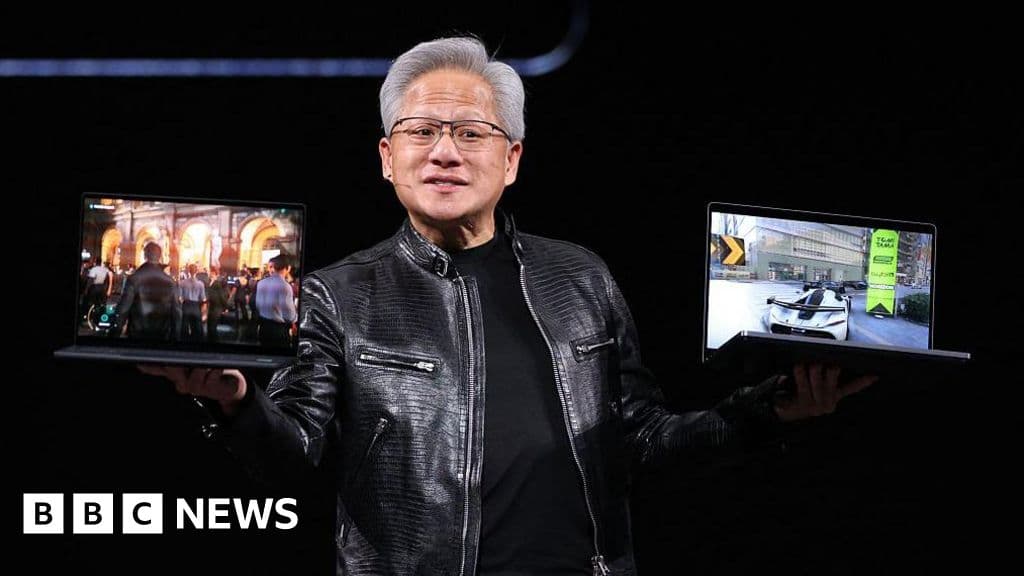
Nvidia's new RTX Spark chip aims to transform personal computing with AI, marking a significant shift in technology. Discover what this means for consumers.
BBC Business
The explosion of Blue Origin's New Glenn rocket raises significant concerns over NASA's lunar ambitions and the future of Amazon's satellite projects. Discover the implications.
BBC Science
Discover how Meta's lack of engagement on user bans raises critical concerns about accountability and transparency in social media governance.
BBC Technology