
Image: The Hindu
Iran's Foreign Minister criticizes Macron for failing to condemn U.S. and Israeli aggression amid escalating conflict. What’s next for West Asia?
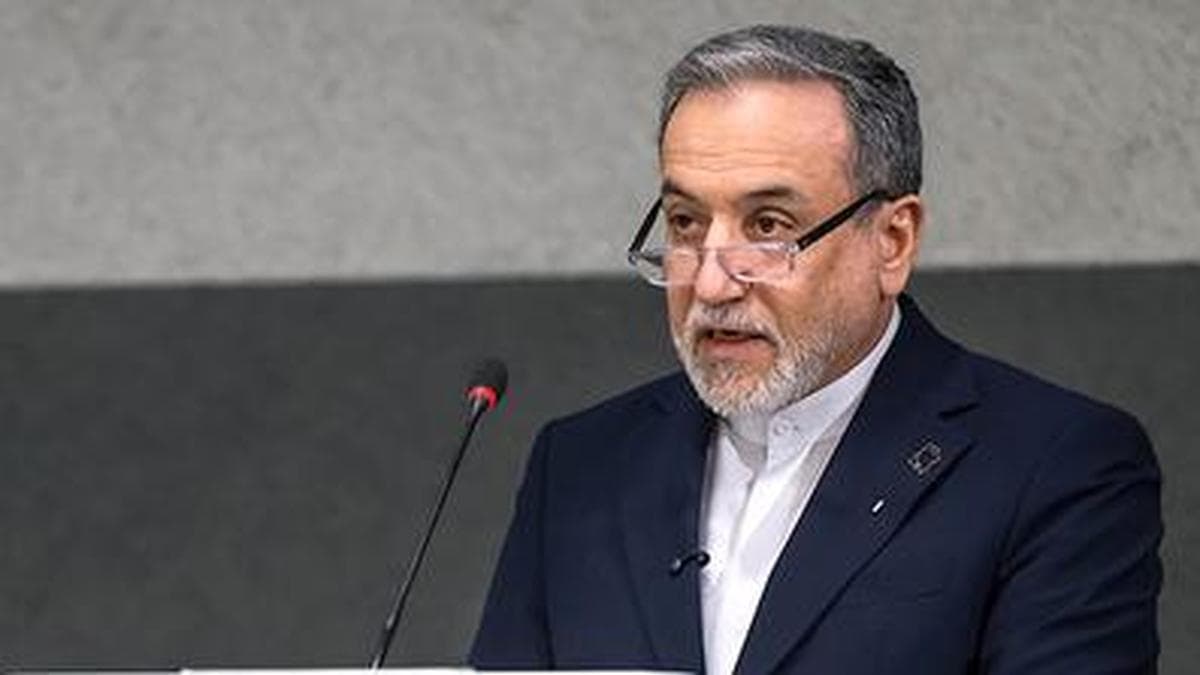
GlipzoIn an escalating diplomatic spat, Iran's Foreign Minister Abbas Araghchi has publicly condemned French President Emmanuel Macron for his perceived inaction regarding the conflict between Iran and Israel. This tension comes in the wake of a significant military exchange that has dramatically reshaped the geopolitical landscape in West Asia. On March 19, 2026, Araghchi accused Macron of failing to denounce the aggressions carried out by the U.S. and Israel against Iran, raising concerns about the potential for further retaliation from Tehran.
The backdrop of these accusations is a recent incident on March 18, 2026, when Macron advocated for a moratorium on military strikes following Iran's attack on the Ras Laffan facilities in Qatar, a critical component of the world’s largest gas field. This military action from Iran was a direct response to an earlier attack on its own facilities in the same region. In a post on social media platform X, Macron emphasized the necessity of halting strikes on civilian infrastructure, invoking discussions with Emir of Qatar Sheikh Tamim bin Hamad Al Thani and U.S. President Donald Trump.
Araghchi's response was swift and pointed. He expressed disappointment that Macron had not condemned the Israel-U.S. strikes on Iran, which began on February 28, 2026, igniting a conflict that has engulfed the region. He stated, "His current 'concern' didn't follow Israel's attack on our gas facilities. It follows our retaliation. Sad!" This underscores a crucial aspect of the ongoing conflict: the perception of fairness and justice in international diplomacy.
The Iranian Foreign Minister's remarks highlight a growing frustration within Tehran regarding the international community's response to their plight. According to Araghchi, Macron's failure to speak out against the aggressions faced by Iran amplifies the feeling of isolation that Iran has experienced as the conflict intensifies.
Iran has long maintained that it will retaliate against strikes that target its infrastructure, particularly in the energy sector. This commitment has led to increased tensions not only with Israel and the U.S. but also with neighboring countries such as Qatar, which has been caught in the crossfire.
Macron's statements are significant as they reflect the delicate balance of power in West Asia and the role of Western nations in mediating conflicts in the region. His calls for restraint could be interpreted as an attempt to de-escalate tensions; however, they also expose the complexities of international relations where actions and words do not always align.
From Iran's perspective, Macron's failure to issue a strong condemnation of Israeli and U.S. actions is seen as a betrayal of diplomatic norms. This situation not only complicates France's relationship with Iran but also raises questions about the broader implications for Western foreign policy in the region.
As tensions continue to mount in West Asia, all eyes are on Iran’s next moves. The Iranian government has repeatedly warned that any further aggression against its infrastructure will lead to retaliatory strikes on regional energy resources. The situation remains fluid, and the world watches closely as diplomatic channels are tested under the strain of military escalation.
The interaction between Iran and France serves as a reminder of the fragile dynamics that govern international relations in times of conflict. Observers are left to wonder how other nations will respond and whether Macron's call for a moratorium will have any practical effect on the ongoing hostilities. As both sides appear entrenched in their positions, the potential for a broader conflict looms large, making it critical for diplomatic efforts to resume.
In conclusion, the Iranian-French tensions underscore the complexities of modern warfare and the challenge of navigating diplomacy in a rapidly changing geopolitical landscape. The coming weeks will be crucial as the international community attempts to mediate a solution, and the world watches to see if cooler heads will prevail in this increasingly volatile scenario.

Tensions soar as the US and Iran engage in air strikes near the Strait of Hormuz, raising concerns over global oil supply and regional stability.
BBC World
Trump's international interventions face serious stalemates. What will this mean for U.S. foreign policy? Explore the critical challenges ahead.
Indian Express
Tehran denies resignation of President Masoud Pezeshkian amid claims of IRGC influence. What does this mean for Iran's political stability? Click to learn more!
Indian Express