
Image: Indian Express
Tensions rise as Iran calls US naval blockade 'intolerable' while Trump hints at military resurgence. What’s next for US-Iran relations?
GlipzoTensions between Iran and the United States have escalated dramatically as Iran labels the ongoing US naval blockade as "intolerable." These developments come amid a fragile ceasefire, with both nations on edge over military operations in the region. The situation is further exacerbated by former President Donald Trump's hints at a possible return to military action, raising concerns among lawmakers and citizens alike.
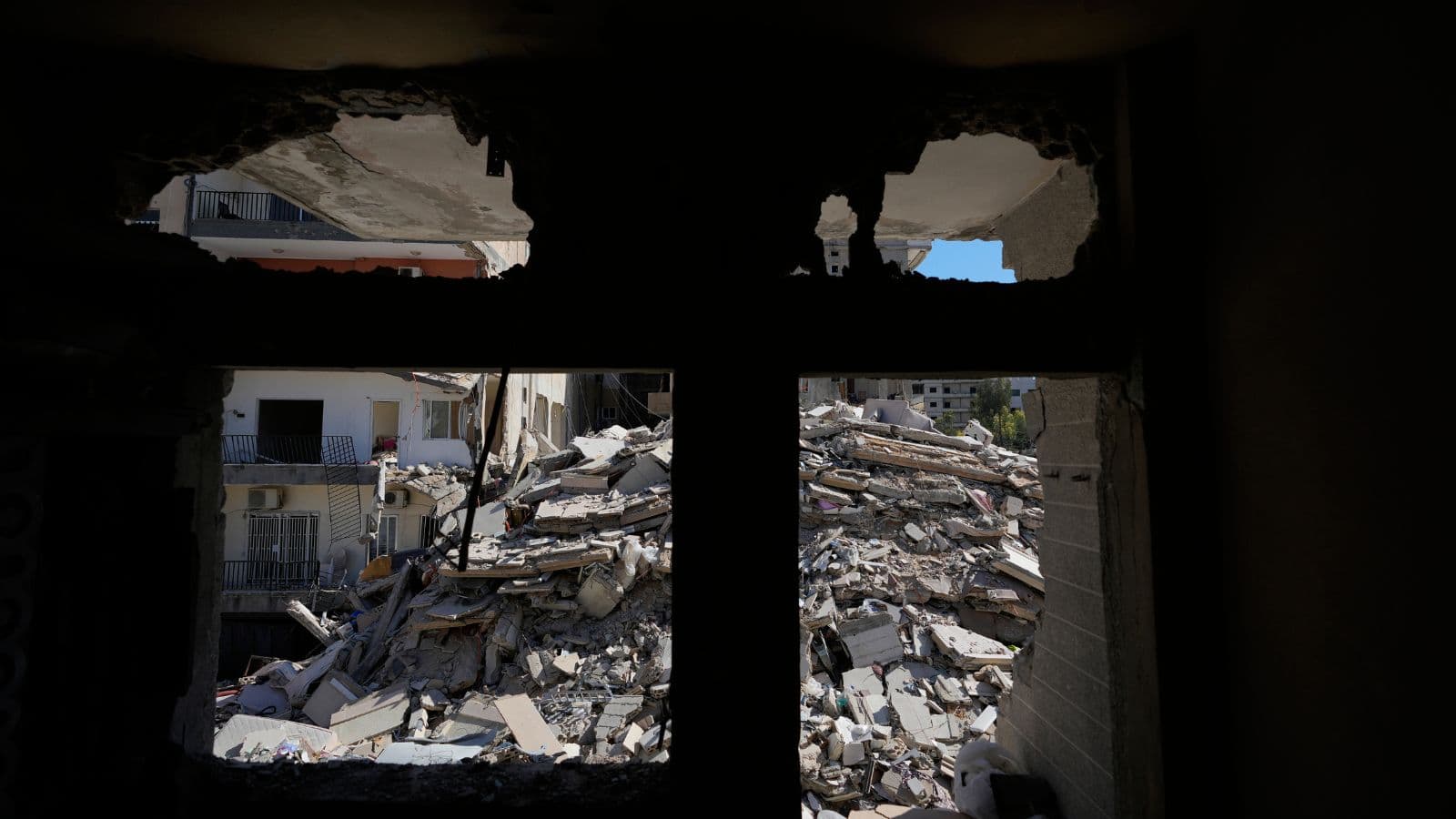
Reports from NBC News highlight that Iran is taking advantage of the ceasefire to recover military assets, specifically missiles and other weaponry believed to be buried or hidden following recent US and Israeli air strikes. This strategy appears to be a calculated move by Iran to bolster its military capabilities during a period of uncertainty.
According to US officials, Iran's urgent efforts to excavate and restore its drone and missile capabilities underscore a significant objective: to prepare for potential military engagements across the Middle East. The intelligence community has noted that these developments could enable Iran to launch retaliatory strikes if President Trump proceeds with renewed military operations.
In a CNN interview, Senator Richard Blumenthal, a prominent Democrat, expressed his concerns regarding the possibility of military action against Iran. He indicated that intelligence briefings suggest an impending military strike is a real possibility, which he described as "deeply disturbing." Blumenthal warned that such actions could endanger American lives, emphasizing the potential for massive casualties resulting from renewed conflict.
The current standoff reflects the larger geopolitical dynamics at play between the United States and Iran, a relationship defined by decades of hostilities and mistrust. The recent naval blockade by the US is part of a broader strategy to counteract Iran's influence in the region, especially concerning its military activities and alliances with proxy groups.
Key points to consider: - Iran's military recovery efforts are a direct response to perceived threats from the US and its allies. - The US government's strategy aims to prevent Iran from expanding its military prowess. - Senator Blumenthal's remarks highlight the urgency for diplomatic solutions to prevent escalation.
As the situation evolves, the potential for escalation remains high. Observers are closely monitoring developments, particularly how the US administration will respond to Iran's military enhancements and the internal pressures that might lead to military action.
The international community is watching closely, as further military engagement could not only destabilize the Middle East but also impact global oil markets and international relations.
This situation is critical not only for the nations involved but also for the stability of the Middle East and the safety of American personnel stationed abroad. The choices made in these tense moments could have far-reaching implications for international peace and security, making it imperative for leaders to seek diplomatic solutions to prevent potential conflict.
The coming weeks will be telling as both Iran and the US navigate this complex landscape. The focus should remain on diplomatic efforts to resolve tensions, avoiding a path that could lead to further military confrontation. As both nations assess their strategies, the global community hopes for a resolution that prioritizes peace over conflict, and the safety of civilians and military personnel alike.

Tensions soar as the US and Iran engage in air strikes near the Strait of Hormuz, raising concerns over global oil supply and regional stability.
BBC World
Trump's international interventions face serious stalemates. What will this mean for U.S. foreign policy? Explore the critical challenges ahead.
Indian Express
Tehran denies resignation of President Masoud Pezeshkian amid claims of IRGC influence. What does this mean for Iran's political stability? Click to learn more!
Indian Express