
Image: BBC Business
Great Western Railway is set to be renationalised on December 13, 2023. Discover what this means for passengers and the future of UK rail.
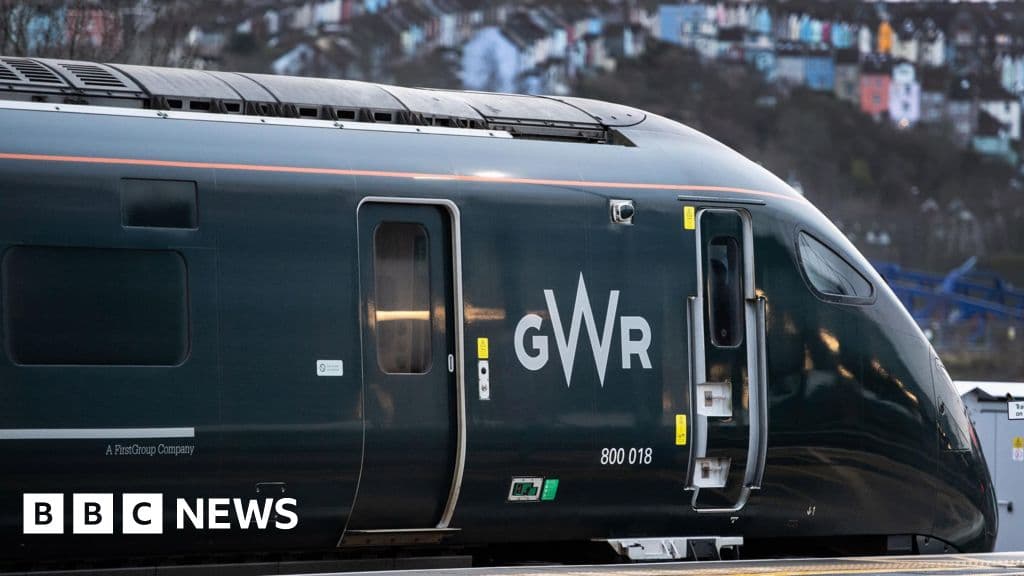
GlipzoIn a pivotal announcement for the rail industry in the West of England, Great Western Railway (GWR) is set to return to public ownership on December 13, 2023. This significant decision, confirmed by the UK government, is expected to reshape train services across the region, enhancing passenger experiences and prioritizing public needs over private profits.
Based in Swindon, GWR operates vital rail links between London and the south-west of England, including routes to South Wales. With this transition, the government aims to put travelers at the forefront of rail service priorities. A spokesperson for GWR expressed their support for the change, highlighting their commitment to work closely with the Department for Transport (DfT).
The DfT has described the renationalisation of GWR as a "significant moment" for the railways, emphasizing its intent to focus on customer satisfaction. This move is part of a broader effort to move away from profit-driven motives and instead, place passenger needs at the center of operations.
Under the new structure, GWR’s services will be managed by the upcoming Great British Railways (GBR) organization, which is set to oversee all rail services in England. This strategic shift is expected to enhance the quality and reliability of train services, ensuring that passengers experience improved punctuality and connectivity.
Local authorities have welcomed the renationalisation announcement with enthusiasm. Helen Godwin, the mayor for the West of England Combined Authority, expressed the community’s aspirations for improved train services.
She stated, "We deserve four trains an hour at stations across our growing regional rail network," emphasizing the need for adequate infrastructure to support increasing passenger demand. This sentiment reflects a growing expectation among residents for accessible and frequent rail services.
GWR has been a cornerstone of rail travel in the south-west for over 20 years, with its routes utilizing the historic line constructed by Isambard Kingdom Brunel, which opened in 1841. This rich history underscores the importance of GWR not only as a transport service but also as a vital component of the region's heritage.
In recent years, several rail operators across the UK have transitioned to public ownership. Notably, Greater Anglia and South Western Railway have already been nationalized, joining the wave of public control that began with the rail services in Wales in 2021, followed by Scotland in 2022. This trend reflects a growing recognition of the importance of reliable public transport systems.
Despite the renationalisation, Transport Secretary Heidi Alexander cautioned that these changes may not lead to reduced fares for passengers. Instead, the emphasis will be placed on enhancing the quality of services and improving infrastructure. The government’s approach aims to ensure that rail systems operate efficiently, meeting the needs of the travelling public.
The spokesperson for GWR reassured customers that the company’s priority during this transition will be to maintain a reliable and punctual service while fostering regional growth and connectivity. This commitment is crucial as the rail network continues to adapt to changing passenger needs and expectations.
As GWR prepares for its transition to public ownership, several key developments are anticipated: - Infrastructure Improvements: Expect enhancements to stations and services as the GBR takes charge, focusing on passenger experience. - Increased Services: Local leaders are advocating for more frequent train services to meet rising demand. - Public Engagement: Stakeholders and communities will likely be involved in discussions about future service improvements and infrastructure needs.
The successful implementation of these changes will be critical in fostering public confidence in the rail system. As GWR moves towards this significant transformation, it will be crucial to monitor how these changes are executed and their impact on everyday passengers.
In conclusion, the renationalisation of Great Western Railway is not just a structural shift; it's a commitment to prioritizing the public's needs in the realm of rail travel. The coming months will be pivotal in determining how effectively these promises translate into real improvements for the community.

Tensions soar as the US and Iran engage in air strikes near the Strait of Hormuz, raising concerns over global oil supply and regional stability.
BBC World
Trump's international interventions face serious stalemates. What will this mean for U.S. foreign policy? Explore the critical challenges ahead.
Indian Express
Tehran denies resignation of President Masoud Pezeshkian amid claims of IRGC influence. What does this mean for Iran's political stability? Click to learn more!
Indian Express