
Glipzo
WorldTechnologyBusinessSportsEntertainmentScienceHealthPolitics
Glipzo
WorldTechnologyBusinessSportsEntertainmentScienceHealthPolitics
  1. Home
  2. /
  3. Politics
  4. /
  5. Breaking Down the US Naval Blockade in the Strait of Hormuz
Breaking Down the US Naval Blockade in the Strait of Hormuz

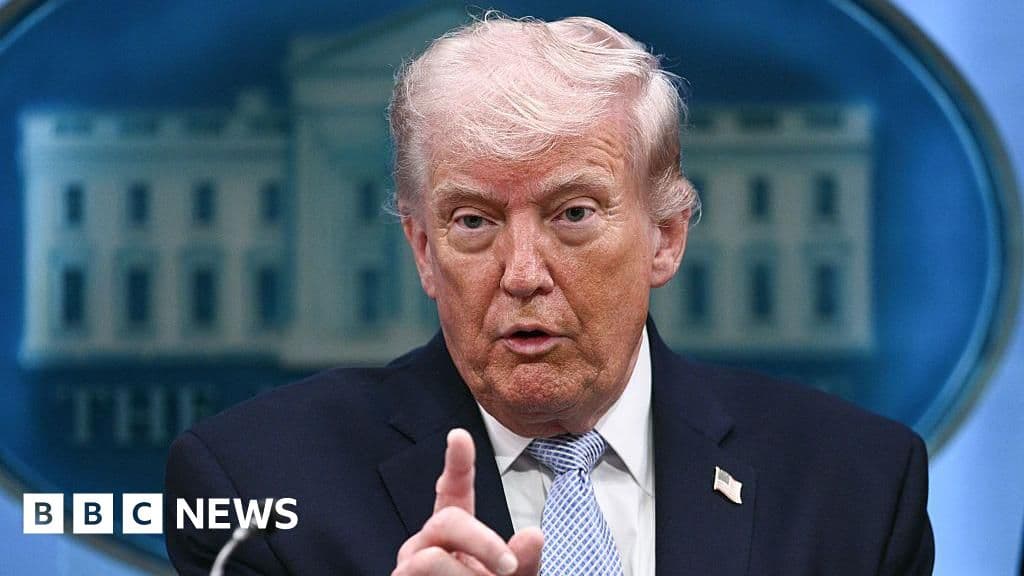
Image: BBC World

Politics
Monday, April 13, 20264 min read

Breaking Down the US Naval Blockade in the Strait of Hormuz

Learn about the US naval blockade in the Strait of Hormuz, its implications for global trade, and what this could mean for international relations.

Glipzo News Desk|Source: BBC World
Share
Glipzo

Key Highlights

  • US military to enforce a blockade in the Strait of Hormuz.
  • Blockade aims to restrict Iranian maritime access amid rising tensions.
  • Potential disruptions to 20% of global oil supply anticipated.
  • Concerns raised over legality of the blockade under international law.
  • NATO and UK may assist in maintaining safe passage in the region.

In this article

  • Understanding the Current Situation in the Strait of Hormuz The **Strait of Hormuz** has become a focal point of international tension as the **US military** announced plans to enforce a blockade on maritime traffic associated with Iranian ports. Starting Monday, this significant operation aims to prevent vessels from entering or exiting these ports, creating a ripple effect in global shipping and trade. The Strait of Hormuz is a vital waterway, accounting for about **20% of the world’s oil supply**, thus its blockade raises alarm signals across various sectors.
  • What Defines a Naval Blockade? A **naval blockade** is defined as a military operation aimed at restricting maritime access to enemy ports, airfields, or coastal areas. This is outlined in the **US Navy Commander's handbook on naval operations law** from 2022, which states that a blockade can prevent vessels from entering or exiting specified locations controlled by an opposing state. Such operations are considered belligerent acts and can escalate tensions between countries.
  • The Implications for Global Trade and Security The enforcement of this blockade has significant implications for global trade, particularly for oil markets. The **Strait of Hormuz** is a critical artery for oil tankers, and any disruption could lead to skyrocketing oil prices and destabilize the already fragile global economy. The **UK Government** has expressed its commitment to freedom of navigation in the strait, emphasizing that the situation must not lead to tolling or other charges that could hamper international trade.
  • Legal and Ethical Considerations Experts are raising concerns regarding the legality of the blockade under international maritime law. Three legal authorities in the US have suggested that such actions may violate established maritime regulations. This raises important questions about the balance between national security interests and adherence to international law.
  • What’s Next? As the blockade is set to commence, the international community is watching closely. The US strategy will likely evolve based on real-time developments in the region.

Understanding the Current Situation in the Strait of Hormuz The **Strait of Hormuz** has become a focal point of international tension as the **US military** announced plans to enforce a blockade on maritime traffic associated with Iranian ports. Starting Monday, this significant operation aims to prevent vessels from entering or exiting these ports, creating a ripple effect in global shipping and trade. The Strait of Hormuz is a vital waterway, accounting for about **20% of the world’s oil supply**, thus its blockade raises alarm signals across various sectors.

This recent escalation follows failed negotiations between the US and Iran, which have been ongoing since February 28. These talks aimed to address the ongoing hostilities, but both sides could not reach a consensus, with US President Donald Trump blaming Iran for its nuclear ambitions. In stark contrast, an Iranian foreign ministry spokesman accused the US of imposing excessive demands.

Trump took to social media platform Truth Social, declaring that the US would begin a blockade on all vessels attempting to navigate the Strait of Hormuz. He emphasized that the US Navy would actively seek out and intercept any ships that pay tolls to Iran, stating, "No one who pays an illegal toll will have safe passage on the high seas." He further threatened severe consequences for Iran, asserting that any attack on US forces would be met with overwhelming retaliation.

What Defines a Naval Blockade? A **naval blockade** is defined as a military operation aimed at restricting maritime access to enemy ports, airfields, or coastal areas. This is outlined in the **US Navy Commander's handbook on naval operations law** from 2022, which states that a blockade can prevent vessels from entering or exiting specified locations controlled by an opposing state. Such operations are considered belligerent acts and can escalate tensions between countries.

Trump described the blockade as an “all or none” policy, reiterating its immediate implementation. He projected that while establishing this blockade will take time, it would soon yield effective results. The US Central Command (Centcom) confirmed that enforcement would begin at 10:00 EDT on Monday, insisting that the blockade would apply impartially to all vessels, regardless of their nationality, while still permitting non-Iranian vessels to transit freely.

The Implications for Global Trade and Security The enforcement of this blockade has significant implications for global trade, particularly for oil markets. The **Strait of Hormuz** is a critical artery for oil tankers, and any disruption could lead to skyrocketing oil prices and destabilize the already fragile global economy. The **UK Government** has expressed its commitment to freedom of navigation in the strait, emphasizing that the situation must not lead to tolling or other charges that could hamper international trade.

Furthermore, discussions surrounding international support for the blockade have emerged. Trump mentioned that NATO may assist in “cleaning out” the strait, with potential contributions from the UK and other partners. Prime Minister Keir Starmer has indicated that British military assets are already in the region, prepared to assist in maintaining safe passage.

  • **Key Impacts of the Blockade:**

Legal and Ethical Considerations Experts are raising concerns regarding the legality of the blockade under international maritime law. Three legal authorities in the US have suggested that such actions may violate established maritime regulations. This raises important questions about the balance between national security interests and adherence to international law.

The blockade's legality will likely be contested, especially if it leads to incidents involving civilian vessels. The international community, including organizations like the United Nations, may scrutinize the blockade closely, potentially leading to diplomatic repercussions for the US and its allies.

What’s Next? As the blockade is set to commence, the international community is watching closely. The US strategy will likely evolve based on real-time developments in the region.

  • **What to Watch For:**

Did you find this article useful? Share it!

Share

Related Articles

Shocking Allegations: Greek Police Using Migrants for Pushbacks
Politics
Apr 14, 2026

Shocking Allegations: Greek Police Using Migrants for Pushbacks

Uncovered evidence reveals Greek police allegedly recruiting migrants to push others back to Turkey, raising serious human rights concerns.

BBC World
Breaking: Eric Swalwell Resigns Amid Sexual Misconduct Claims
Politics
Apr 14, 2026

Breaking: Eric Swalwell Resigns Amid Sexual Misconduct Claims

Eric Swalwell resigns from Congress amid sexual misconduct allegations, raising questions about accountability in politics and impacting California's governor race.

BBC World
Shocking Charges: Spanish PM's Wife Begoña Gómez Accused of Corruption
Politics
Apr 14, 2026

Shocking Charges: Spanish PM's Wife Begoña Gómez Accused of Corruption

Spanish PM Pedro Sánchez's wife, Begoña Gómez, faces serious corruption charges after a two-year investigation, raising questions about political ethics.

BBC World

Categories

  • World
  • Technology
  • Business
  • Sports

More

  • Entertainment
  • Science
  • Health
  • Politics

Explore

  • Web Stories
  • About Us
  • Contact

Legal

  • Privacy Policy
  • Terms of Service

© 2026 Glipzo. All rights reserved.

