
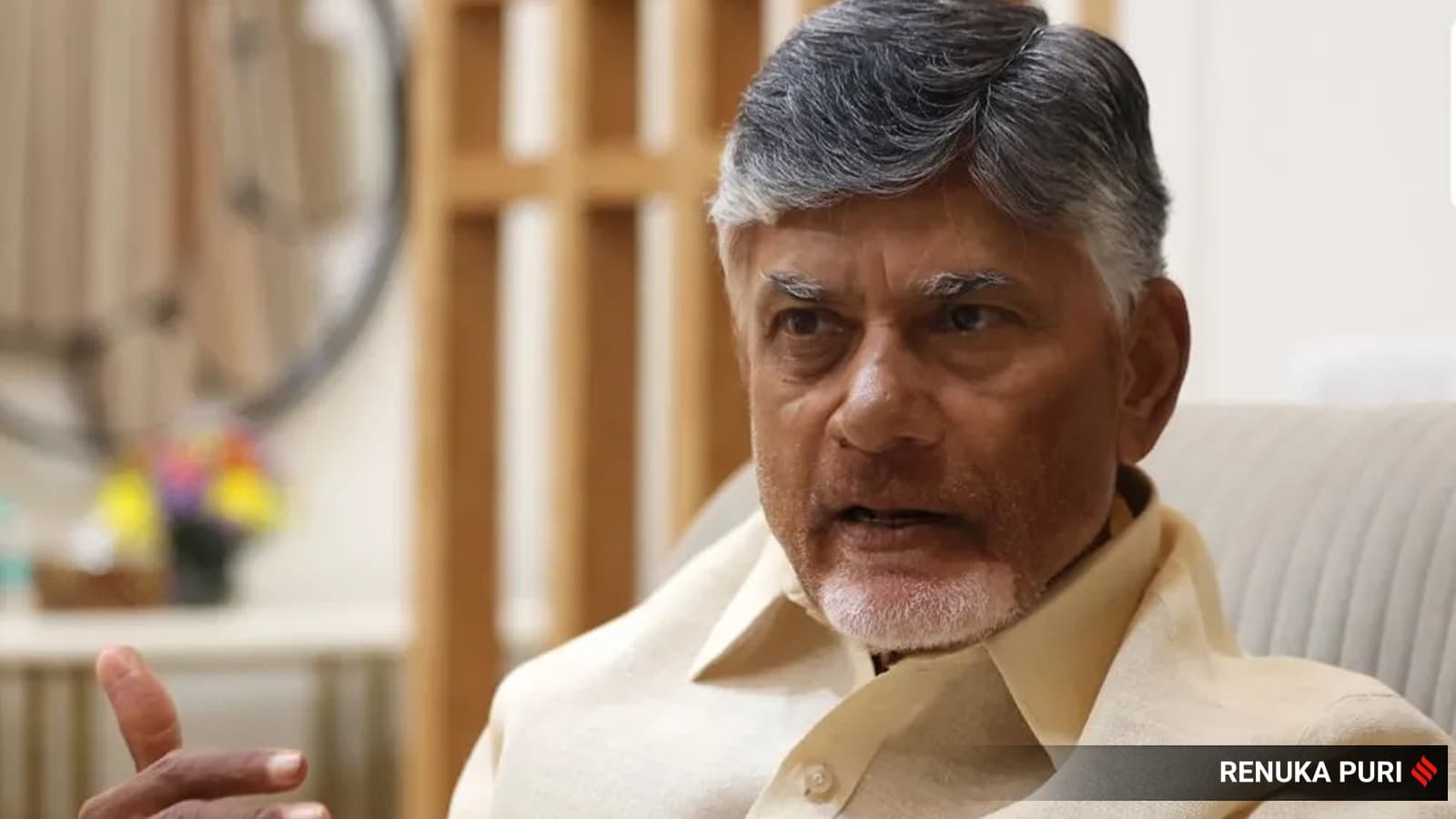
Image: Indian Express
The TDP pushes for Bharat Ratna for NTR, exploring the complex ties between Naidu and NTR amid shifting political landscapes in Andhra Pradesh.
GlipzoIn a significant move during its annual conclave, the Telugu Desam Party (TDP) renewed its efforts to honor its founder and iconic actor N. T. Rama Rao (NTR) by advocating for the conferment of the Bharat Ratna, India's highest civilian award. This resolution, passed on Thursday, reflects not just an appreciation of NTR’s legacy but also highlights the enduring influence he has on the party today, primarily through the leadership of N. Chandrababu Naidu, the current Chief Minister of Andhra Pradesh and TDP president.
Naidu, who is NTR's son-in-law, has built a significant portion of his political career on the foundation laid by NTR, a figure revered in Telugu culture and politics alike. NTR’s transition from a film superstar to a political titan in the early 1980s changed the dynamics of Andhra Pradesh politics, and his legacy remains a pivotal part of the TDP's identity.
The bond between Naidu and NTR is deeply rooted in both personal and professional realms. NTR brought Naidu into the TDP fold in 1983, just a year after founding the party, thereby marking a transformative moment in Naidu's political journey. Naidu, who had initially joined the Congress Party and served as a minister, found a unique opportunity when NTR, recognizing his potential, offered him a place within the TDP. This was further cemented by NTR’s decision to marry off his daughter, Bhuvaneshwari, to Naidu in 1981, intertwining their family legacies.
Naidu's political career began in earnest when he was elected as a member of the Andhra Pradesh Legislative Assembly in 1978 from the Chandragiri constituency. His political journey saw him serving under Chief Ministers Marri Chenna Reddy and T. Anjaiah, where he honed his administrative skills before switching loyalties to NTR's newly minted TDP.
As the TDP grew under NTR's charismatic leadership, it faced numerous challenges. The party's early years were marked by internal strife and external opposition. Notably, during a critical political crisis in 1984, when Nadendla Bhaskar Rao attempted to usurp power, Naidu played a key role in rallying support for NTR. Together, they fought to restore NTR to his rightful position as Chief Minister after a brief and tumultuous period of Rao’s governance.
Despite their strong alliance, the political landscape began to shift in the late 1980s, particularly with the emergence of Lakshmi Parvathi, a woman who would complicate their relationship significantly. Parvathi, who began as NTR’s biographer, soon became a central figure in his life, leading to growing tensions between her and the established party leadership, including Naidu.
The tensions reached a boiling point in 1995 when Naidu, concerned about NTR’s declining health and increasingly influenced by Parvathi, orchestrated a political maneuver that would redefine his own trajectory within the TDP. In August 1995, Naidu conspired with several party members to dethrone NTR from leadership, asserting that the party's future was at risk under Parvathi's influence.
This dramatic coup shifted the power dynamics within the TDP. Naidu's strategic brilliance and the backing of influential party members helped him seize control. He became the Chief Minister, marking a new era for the TDP, while NTR’s legacy continued to loom large over the party.
The current push for bestowing the Bharat Ratna upon NTR serves as a reminder of his profound impact on the political landscape of Andhra Pradesh and the TDP's ongoing legacy. As Naidu seeks to solidify NTR’s status in the annals of Indian history, it also raises questions about the party's direction and leadership in a rapidly changing political environment. The bond between Naidu and NTR, marked by both collaboration and conflict, illustrates the complexity of political relationships and the significance of legacy in politics.
As the TDP continues to navigate the political landscape, the call for NTR's Bharat Ratna could serve as a rallying cry for the party, potentially rekindling support among the electorate who still revere NTR's contributions. The political implications of this move could be significant, influencing not just the party's internal dynamics but also its standing in the broader Andhra Pradesh political arena.
Looking ahead, observers should watch how Naidu's administration leverages NTR's legacy to strengthen party unity and address contemporary issues facing the state. The interplay between honoring historical figures and adapting to modern political realities will be crucial for the TDP as it seeks to maintain relevance and foster growth in a competitive political landscape.

Tensions soar as the US and Iran engage in air strikes near the Strait of Hormuz, raising concerns over global oil supply and regional stability.
BBC World
Trump's international interventions face serious stalemates. What will this mean for U.S. foreign policy? Explore the critical challenges ahead.
Indian Express
Tehran denies resignation of President Masoud Pezeshkian amid claims of IRGC influence. What does this mean for Iran's political stability? Click to learn more!
Indian Express