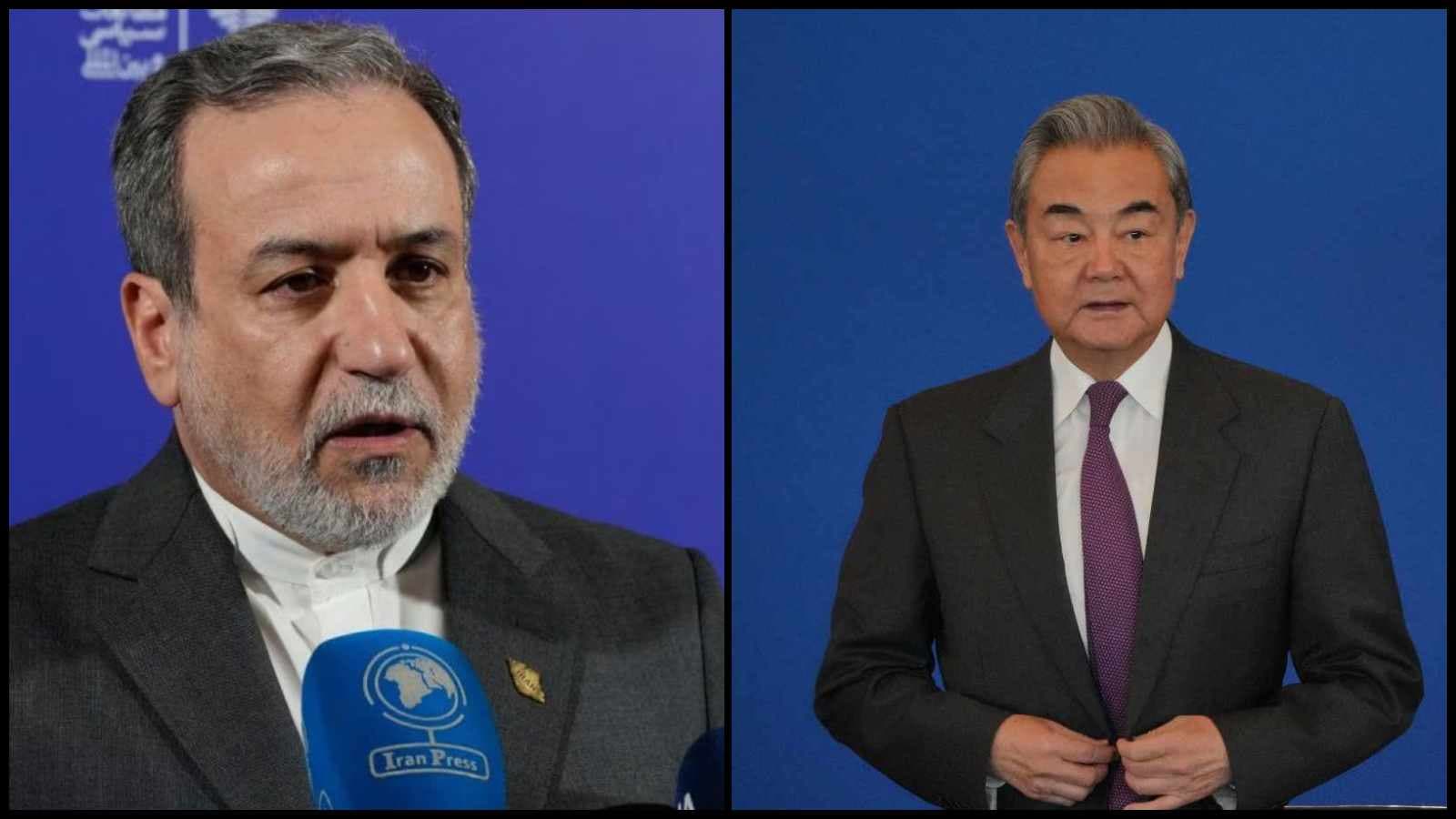
China and Iran strengthen diplomatic ties in pivotal Beijing meeting. Discover the implications for regional stability and international relations.
Significant Meeting Between Chinese and Iranian Officials
On **Wednesday**, **Chinese Foreign Minister Wang Yi** met with **Iranian Deputy Foreign Minister Abbas Araghchi** in **Beijing**, marking an important step in diplomatic relations between the two nations. The meeting, as reported by the **Chinese state news agency Xinhua**, aimed to address various aspects of bilateral relations as well as pertinent regional and international developments.
Focus of the Discussions
Prior to this crucial meeting, Iran’s **Fars News Agency** indicated that Araghchi's agenda included discussions on strengthening bilateral ties. The diplomatic dialogue comes amid growing regional tensions and the evolving geopolitical landscape, particularly concerning **Iran's nuclear program** and its interactions with other global powers.
Key Discussion Points:
- **Bilateral Relations**: Enhancing trade and mutual cooperation.
- **Regional Developments**: Addressing issues affecting stability in the Middle East.
- **International Affairs**: The impact of global policies on Iran and China.
The meeting reflects both nations' desires to bolster their strategic partnership, especially as they face pressures from Western countries, including sanctions and diplomatic isolation.
Why This Meeting Matters
The significance of this meeting cannot be overstated. **China** and **Iran** have been gravitating towards one another economically and politically, especially in response to perceived threats from the West. As the two nations seek to counterbalance Western influence, their collaboration could reshape dynamics in the Middle East.
Historical Context
Historically, China has maintained a complex relationship with Iran, characterized by trade partnerships and mutual support against Western sanctions. In recent years, this relationship has deepened, particularly under the framework of the **Belt and Road Initiative**, which aims to enhance infrastructure and connectivity across Asia.
#### Notable Aspects of Their Relationship:
- Trade Agreements: China is one of Iran’s largest trading partners, especially in oil and gas.
- Political Alliances: Both countries often support each other in international forums.
- Strategic Interests: Cooperation on security issues, including counter-terrorism efforts.
The Global Implications
This meeting is significant not only for China and Iran but also for the broader international community. As both countries enhance their cooperation, it raises questions about the future of the **nuclear accord** negotiations with Iran, which have been stalled.
Potential Consequences:
- **Impact on Nuclear Talks**: Strengthening ties may embolden Iran in its negotiations.
- **Regional Stability**: Increased cooperation could lead to a more unified stance against Western policies.
- **Economic Ramifications**: Future trade deals could benefit both economies, altering regional trade dynamics.
Looking Ahead: What to Expect Next
As the world watches closely, the outcomes of this meeting could have lasting effects on international relations. The focus will shift to how these discussions influence **Iran's nuclear strategy** and its interactions with Western powers, particularly the United States.
What to Watch For:
- **Follow-up Meetings**: Any subsequent discussions between the two nations.
- **Trade Agreements**: Specific deals that may arise post-meeting.
- **International Reactions**: How Western countries will respond to the strengthened ties.
In conclusion, the meeting between Wang Yi and Abbas Araghchi is a pivotal moment in the evolving relationship between China and Iran. As both nations continue to navigate their respective challenges, their collaboration may significantly impact not only their futures but also the geopolitical landscape of the Middle East and beyond.
Stay informed about future developments in this ongoing story as the world observes the strategic maneuvers of these two influential countries.