
Glipzo
WorldTechnologyBusinessSportsEntertainmentScienceHealthPolitics
Glipzo
WorldTechnologyBusinessSportsEntertainmentScienceHealthPolitics
  1. Home
  2. /
  3. Politics
  4. /
  5. Breaking: Cambodia's Kem Sokha Pardoned After 27 Years
Breaking: Cambodia's Kem Sokha Pardoned After 27 Years

Image: BBC World

Politics
Tuesday, May 26, 20264 min read

Breaking: Cambodia's Kem Sokha Pardoned After 27 Years

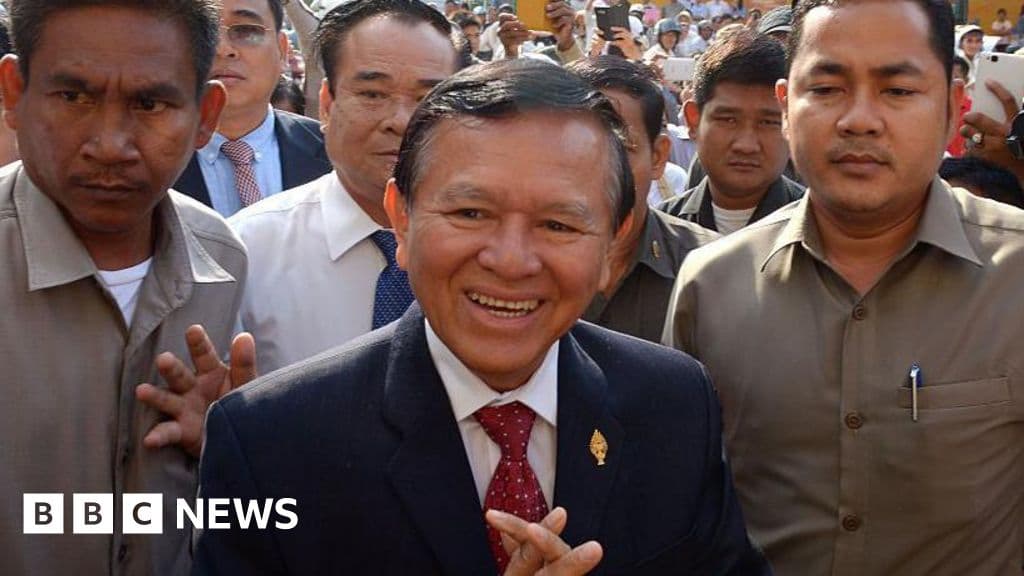
Cambodia's former opposition leader Kem Sokha has been pardoned after 27 years in prison. What does this mean for the country's political future?

Glipzo News Desk|Source: BBC World
Share
Glipzo

Key Highlights

  • Kem Sokha pardoned after 27 years for treason.
  • Hun Sen claims the pardon strengthens national unity.
  • Sokha remains barred from politics and leaving Cambodia.
  • Human Rights Watch calls the pardon a partial justice.
  • Cambodia's political landscape faces critical changes ahead.

In this article

  • Major Political Shift in Cambodia Following Pardon In a stunning turn of events, **Kem Sokha**, the former leader of Cambodia's dissolved opposition party, has been granted a royal pardon after serving a **27-year sentence** for treason. This significant decision was announced by **Hun Sen**, the country’s former Prime Minister and current acting head of state, who signed the decree on behalf of **King Norodom Sihamoni**. The move marks a pivotal moment in Cambodian politics and raises questions about the future of opposition in the nation.
  • Context: A Long Road to Justice Kem Sokha, who once led the **Cambodian National Rescue Party (CNRP)**, was a significant political rival to Hun Sen's **Cambodian People's Party (CPP)**. His party had gained notable traction in the **2013** general elections, posing a serious threat to Hun Sen's nearly four-decade-long rule. Following the arrest of Sokha, the CNRP was disbanded, effectively transforming Cambodia into a **one-party state**.
  • The Aftermath of the Pardon Hun Sen took to **Facebook** to announce Sokha's pardon, sharing a photo of the signed royal decree. His son, **Hun Manet**, who ascended to the role of Prime Minister in 2023, described the pardon as a move towards bolstering **national unity**. However, the terms of the pardon continue to restrict Sokha, barring him from participating in politics or leaving Cambodia for the next five years.
  • The Broader Implications for Cambodian Politics The implications of Sokha's pardon extend beyond his personal circumstances. It raises vital questions about the future of democracy in Cambodia. As the country heads towards its next elections, the absence of a strong opposition could lead to further entrenchment of authoritarian governance under Hun Sen’s regime.
  • What Lies Ahead for Cambodia? As Cambodia looks forward, the international community is keenly watching how the government will respond to calls for democratic reforms. Questions remain regarding how the CPP will manage dissent and whether Sokha’s pardon will lead to any tangible changes in the political structure.

Major Political Shift in Cambodia Following Pardon In a stunning turn of events, **Kem Sokha**, the former leader of Cambodia's dissolved opposition party, has been granted a royal pardon after serving a **27-year sentence** for treason. This significant decision was announced by **Hun Sen**, the country’s former Prime Minister and current acting head of state, who signed the decree on behalf of **King Norodom Sihamoni**. The move marks a pivotal moment in Cambodian politics and raises questions about the future of opposition in the nation.

The pardon comes after Sokha was convicted in 2023 and has been under house arrest since then, following his 2017 arrest tied to allegations of colluding with foreign pro-democracy groups. Critics, including human rights organizations, have condemned the charges against him as politically motivated. The recent announcement has sparked discussions about its implications for Cambodia's political landscape.

Context: A Long Road to Justice Kem Sokha, who once led the **Cambodian National Rescue Party (CNRP)**, was a significant political rival to Hun Sen's **Cambodian People's Party (CPP)**. His party had gained notable traction in the **2013** general elections, posing a serious threat to Hun Sen's nearly four-decade-long rule. Following the arrest of Sokha, the CNRP was disbanded, effectively transforming Cambodia into a **one-party state**.

The political climate in Cambodia has been fraught with challenges, particularly for opposition figures. Human Rights Watch has pointed out that Sokha's release, while a step toward rectifying past injustices, does not fully address the ongoing risks faced by other politicians and parties in the country. The organization emphasizes that arbitrary arrests and political repression remain prevalent.

The Aftermath of the Pardon Hun Sen took to **Facebook** to announce Sokha's pardon, sharing a photo of the signed royal decree. His son, **Hun Manet**, who ascended to the role of Prime Minister in 2023, described the pardon as a move towards bolstering **national unity**. However, the terms of the pardon continue to restrict Sokha, barring him from participating in politics or leaving Cambodia for the next five years.

Despite the apparent goodwill behind the pardon, critics maintain that it falls short of addressing the broader issues of political freedom and justice in Cambodia. Elaine Pearson, Asia director at Human Rights Watch, expressed that while the pardon partially reverses an egregious wrong, the ongoing limitations on Sokha's political engagement are troubling.

The Broader Implications for Cambodian Politics The implications of Sokha's pardon extend beyond his personal circumstances. It raises vital questions about the future of democracy in Cambodia. As the country heads towards its next elections, the absence of a strong opposition could lead to further entrenchment of authoritarian governance under Hun Sen’s regime.

The CNRP had been the only significant political force capable of challenging the CPP, but its dissolution and Sokha's imprisonment have effectively silenced dissent. The government’s ongoing crackdown on independent media and civil society further complicates the landscape, leaving many to wonder if genuine political reforms will occur.

What Lies Ahead for Cambodia? As Cambodia looks forward, the international community is keenly watching how the government will respond to calls for democratic reforms. Questions remain regarding how the CPP will manage dissent and whether Sokha’s pardon will lead to any tangible changes in the political structure.

  • **Future elections**: The next elections will be a critical test for Hun Manet’s leadership and the CPP’s hold on power.
  • **Opposition dynamics**: The fate of remaining opposition figures and their ability to mobilize could shift as Sokha’s release may inspire further political activism.
  • **International relations**: Global reactions to Sokha's pardon could influence Cambodia’s diplomatic ties, particularly with nations advocating for human rights.

In conclusion, while Kem Sokha's pardon is a significant development in Cambodian politics, it is only the beginning of a complex and ongoing struggle for democracy and justice in the nation. The coming months will be crucial in determining whether this act signifies a genuine shift towards greater political freedoms or if it is merely a superficial gesture in a long-standing regime of control.

Did you find this article useful? Share it!

Share

Related Articles

Critical Air Strikes Erupt Between US and Iran in Gulf Region
Politics
Jun 1, 2026

Critical Air Strikes Erupt Between US and Iran in Gulf Region

Tensions soar as the US and Iran engage in air strikes near the Strait of Hormuz, raising concerns over global oil supply and regional stability.

BBC World

Trump Faces Stalemate in International Military Strategy
Politics
Jun 1, 2026

Trump Faces Stalemate in International Military Strategy

Trump's international interventions face serious stalemates. What will this mean for U.S. foreign policy? Explore the critical challenges ahead.

Indian Express

Tehran Denies Rumors of President Pezeshkian’s Resignation
Politics
Jun 1, 2026

Tehran Denies Rumors of President Pezeshkian’s Resignation

Tehran denies resignation of President Masoud Pezeshkian amid claims of IRGC influence. What does this mean for Iran's political stability? Click to learn more!

Indian Express

Categories

  • World
  • Technology
  • Business
  • Sports

More

  • Entertainment
  • Science
  • Health
  • Politics

Explore

  • Web Stories
  • About Us
  • Contact

Legal

  • Privacy Policy
  • Terms of Service
  • Disclaimer

© 2026 Glipzo. All rights reserved.